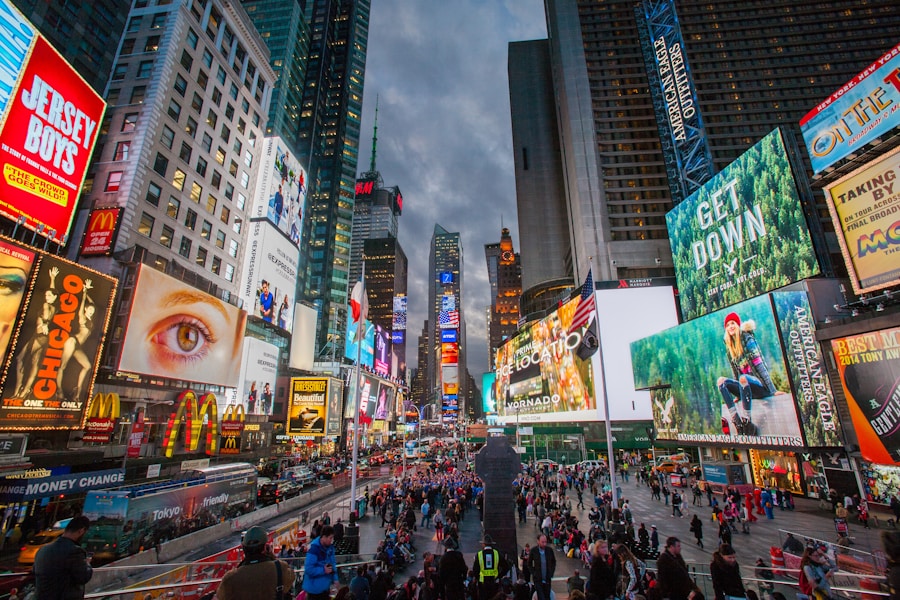
In recent years, the skyline of New York City has undergone a dramatic transformation with the proliferation of digital billboards. These high-tech displays have become a ubiquitous feature of the cityscape, adorning buildings, subway stations, and even taxis. The rise of digital billboards in New York City can be attributed to several factors, including advancements in technology, the increasing demand for dynamic and interactive advertising, and the city’s status as a global hub for commerce and culture.
The adoption of digital billboards in New York City has been driven by the desire to capture the attention of the city’s diverse and discerning population. With traditional static billboards becoming increasingly ineffective in a world saturated with advertising, brands and advertisers have turned to digital displays as a way to stand out in a crowded marketplace. The dynamic nature of digital billboards allows for the delivery of targeted and engaging content that can capture the attention of passersby and leave a lasting impression. As a result, digital billboards have become an integral part of the city’s advertising landscape, with brands vying for prime real estate on these high-impact displays.
Understanding the Impact of Digital Billboards on Consumer Behavior
The impact of digital billboards on consumer behavior is a topic of great interest and debate among marketers and advertisers. Research has shown that digital billboards have the ability to capture and hold the attention of consumers, leading to increased brand awareness and recall. The dynamic and interactive nature of digital displays allows for the delivery of engaging content that can resonate with viewers on a deeper level. This can lead to a more positive perception of the advertised brand and an increased likelihood of purchase.
Furthermore, digital billboards have the ability to leverage real-time data and analytics to deliver targeted messaging to specific audiences. This level of personalization can have a significant impact on consumer behavior, as it allows for the delivery of relevant and timely content that is more likely to resonate with viewers. Additionally, the integration of location-based targeting can further enhance the impact of digital billboards by delivering contextually relevant messaging to consumers based on their physical location. As a result, digital billboards have the potential to influence consumer behavior in a way that traditional static billboards cannot.
Designing Eye-Catching and Engaging Content for Digital Billboards
One of the key factors in the success of digital billboards is the ability to create eye-catching and engaging content that captures the attention of viewers. Unlike traditional static billboards, digital displays offer the opportunity to deliver dynamic and interactive content that can captivate audiences in new and innovative ways. This presents both a challenge and an opportunity for advertisers, as they must find ways to create content that stands out in a crowded marketplace.
To design effective content for digital billboards, advertisers must consider the unique capabilities of these displays, including motion, interactivity, and real-time data integration. By leveraging these features, advertisers can create content that is visually striking and emotionally engaging, leading to a more memorable and impactful advertising experience for viewers. Additionally, the use of compelling visuals, bold typography, and strategic use of color can further enhance the effectiveness of digital billboard content, drawing attention and leaving a lasting impression on audiences.
Leveraging Location-Based Targeting for Maximum Impact
One of the most powerful capabilities of digital billboards is their ability to leverage location-based targeting to deliver contextually relevant messaging to specific audiences. By integrating GPS technology and real-time data, advertisers can tailor their content to reflect the unique characteristics of different neighborhoods and demographics within New York City. This level of personalization can have a significant impact on the effectiveness of digital billboard campaigns, as it allows for the delivery of messaging that is more likely to resonate with viewers based on their physical location.
Furthermore, location-based targeting can be used to deliver timely and relevant messaging that is aligned with specific events or occasions within the city. For example, advertisers can create content that is tailored to reflect local festivals, holidays, or cultural events, creating a sense of connection and relevance with viewers. This level of contextual relevance can lead to increased engagement and brand recall, as viewers are more likely to pay attention to messaging that is aligned with their immediate surroundings.
Harnessing the Power of Data and Analytics for Digital Billboard Success
In today’s data-driven world, the power of data and analytics cannot be overstated when it comes to the success of digital billboard campaigns. By leveraging real-time data and analytics, advertisers can gain valuable insights into the effectiveness of their campaigns, allowing for continuous optimization and improvement. This level of insight can help advertisers understand how viewers are interacting with their content, which messages are resonating most strongly, and which locations are delivering the best results.
Additionally, data and analytics can be used to measure the impact of digital billboard campaigns on consumer behavior, including brand awareness, recall, and purchase intent. By tracking key performance indicators such as dwell time, engagement rates, and conversion metrics, advertisers can gain a deeper understanding of how their campaigns are influencing consumer behavior. This level of insight can inform future campaign strategies and help advertisers make data-driven decisions that maximize the impact of their digital billboard investments.
Integrating Digital Billboards into a Comprehensive Marketing Strategy
While digital billboards offer a powerful platform for reaching audiences in New York City, their true potential is realized when they are integrated into a comprehensive marketing strategy. By aligning digital billboard campaigns with other marketing channels such as social media, mobile advertising, and experiential marketing, advertisers can create a cohesive and immersive brand experience that resonates with consumers on multiple levels. This level of integration allows for cross-channel synergy, amplifying the impact of individual campaigns and creating a more holistic brand presence in the marketplace.
Furthermore, integrating digital billboards into a comprehensive marketing strategy allows for greater consistency and continuity in messaging across different touchpoints. By aligning content and creative elements across various channels, advertisers can create a unified brand narrative that reinforces key messaging and brand attributes. This level of consistency can lead to increased brand recall and recognition among consumers, as they are exposed to cohesive messaging across multiple platforms.
Overcoming Challenges and Maximizing ROI with Digital Billboards in New York City
While digital billboards offer numerous benefits for advertisers in New York City, they also present unique challenges that must be addressed in order to maximize return on investment. One such challenge is the competitive nature of the digital billboard marketplace, with brands vying for prime real estate on high-traffic displays. In order to overcome this challenge, advertisers must be strategic in their approach to securing digital billboard placements, leveraging data and analytics to identify high-impact locations that align with their target audience.
Additionally, advertisers must be mindful of potential regulatory challenges associated with digital billboards in New York City, including zoning restrictions and permitting requirements. By working closely with local authorities and regulatory bodies, advertisers can ensure compliance with relevant regulations while maximizing the impact of their digital billboard campaigns. Furthermore, by continuously monitoring performance metrics and optimizing campaigns based on real-time data insights, advertisers can maximize return on investment and ensure that their digital billboard campaigns deliver tangible results.
In conclusion, the rise of digital billboards in New York City has transformed the city’s advertising landscape, offering advertisers a powerful platform for reaching diverse and discerning audiences. By understanding the impact of digital billboards on consumer behavior, designing eye-catching content, leveraging location-based targeting, harnessing data and analytics, integrating digital billboards into comprehensive marketing strategies, and overcoming challenges to maximize ROI, advertisers can unlock the full potential of this high-impact advertising medium in one of the world’s most dynamic urban environments.