
In today’s competitive business landscape, it’s crucial for companies to have effective marketing strategies in place to reach and engage with their target audience. However, not all marketing strategies are created equal, and some can actually do more harm than good. One of the most common bad marketing strategies is a lack of understanding of the target audience. When companies fail to research and understand their audience’s needs, preferences, and behaviors, they risk creating marketing campaigns that miss the mark and fail to resonate with their intended audience. Another bad marketing strategy is a lack of consistency across all marketing channels. When companies fail to maintain a consistent brand image and messaging across all platforms, it can lead to confusion and a lack of trust among consumers.
Additionally, using outdated or irrelevant marketing tactics can also be detrimental to a company’s success. For example, bombarding consumers with spam emails or intrusive pop-up ads can be off-putting and may even drive potential customers away. Finally, a lack of creativity and innovation in marketing strategies can also be a major pitfall for companies. When marketing campaigns lack originality and fail to stand out from the competition, they are unlikely to capture the attention of consumers and make a lasting impression.
Understanding the Impact of Bad Marketing Strategies
The impact of bad marketing strategies can be significant and far-reaching for businesses. One of the most immediate consequences of ineffective marketing is a lack of customer engagement and conversion. When marketing campaigns fail to resonate with the target audience, they are unlikely to generate leads or drive sales, ultimately impacting the company’s bottom line. In addition, bad marketing strategies can also damage a company’s reputation and brand image. For example, if a company engages in spammy or intrusive marketing tactics, it can lead to negative associations with the brand and erode consumer trust.
Furthermore, ineffective marketing strategies can also result in wasted resources and missed opportunities. When companies invest time and money into marketing campaigns that fail to deliver results, it can be a significant setback for the business. Additionally, bad marketing strategies can also hinder a company’s ability to stay competitive in the market. In today’s fast-paced digital landscape, companies need to constantly innovate and adapt their marketing strategies to keep up with changing consumer trends and preferences. Failing to do so can result in falling behind the competition and losing market share.
Implementing Effective Marketing Strategies
To avoid the pitfalls of bad marketing strategies, companies must focus on implementing effective and impactful marketing strategies. One key aspect of effective marketing is understanding the target audience. This involves conducting thorough market research to gain insights into consumer behavior, preferences, and pain points. By understanding the needs and desires of their target audience, companies can tailor their marketing messages and campaigns to resonate with consumers on a deeper level.
Consistency is also crucial in effective marketing strategies. Companies should strive to maintain a consistent brand image and messaging across all marketing channels, including social media, email marketing, and advertising. This helps to build brand recognition and trust among consumers, ultimately leading to stronger customer loyalty and engagement. Additionally, companies should prioritize creativity and innovation in their marketing efforts. By thinking outside the box and coming up with unique and compelling campaigns, companies can capture the attention of consumers and differentiate themselves from the competition.
Utilizing Data and Analytics to Improve Marketing Efforts
In today’s digital age, data and analytics play a crucial role in improving marketing efforts. By leveraging data from various sources such as website traffic, social media engagement, and customer demographics, companies can gain valuable insights into consumer behavior and preferences. This data can then be used to inform marketing strategies and make data-driven decisions that are more likely to resonate with the target audience.
One way that companies can utilize data and analytics is through A/B testing. By testing different variations of marketing campaigns and analyzing the results, companies can gain valuable insights into what resonates with their audience and what doesn’t. This allows for continuous optimization and improvement of marketing efforts based on real-time data.
Furthermore, data and analytics can also be used to personalize marketing messages and campaigns. By segmenting their audience based on demographics, behavior, or preferences, companies can deliver more targeted and relevant content to consumers. This personalized approach can lead to higher engagement and conversion rates, as consumers are more likely to respond positively to messages that are tailored to their specific needs and interests.
Creating Engaging and Relevant Content
One of the most effective ways to capture the attention of consumers and drive engagement is through creating engaging and relevant content. Content marketing has become an essential component of modern marketing strategies, as it allows companies to provide value to their audience while also promoting their products or services. However, creating high-quality content that resonates with consumers requires careful planning and execution.
First and foremost, companies should focus on understanding the needs and interests of their target audience. By conducting thorough research and gathering insights into what matters most to their consumers, companies can create content that addresses their pain points and provides solutions. Additionally, companies should strive to create diverse types of content that cater to different preferences and consumption habits. This may include blog posts, videos, infographics, podcasts, or interactive quizzes.
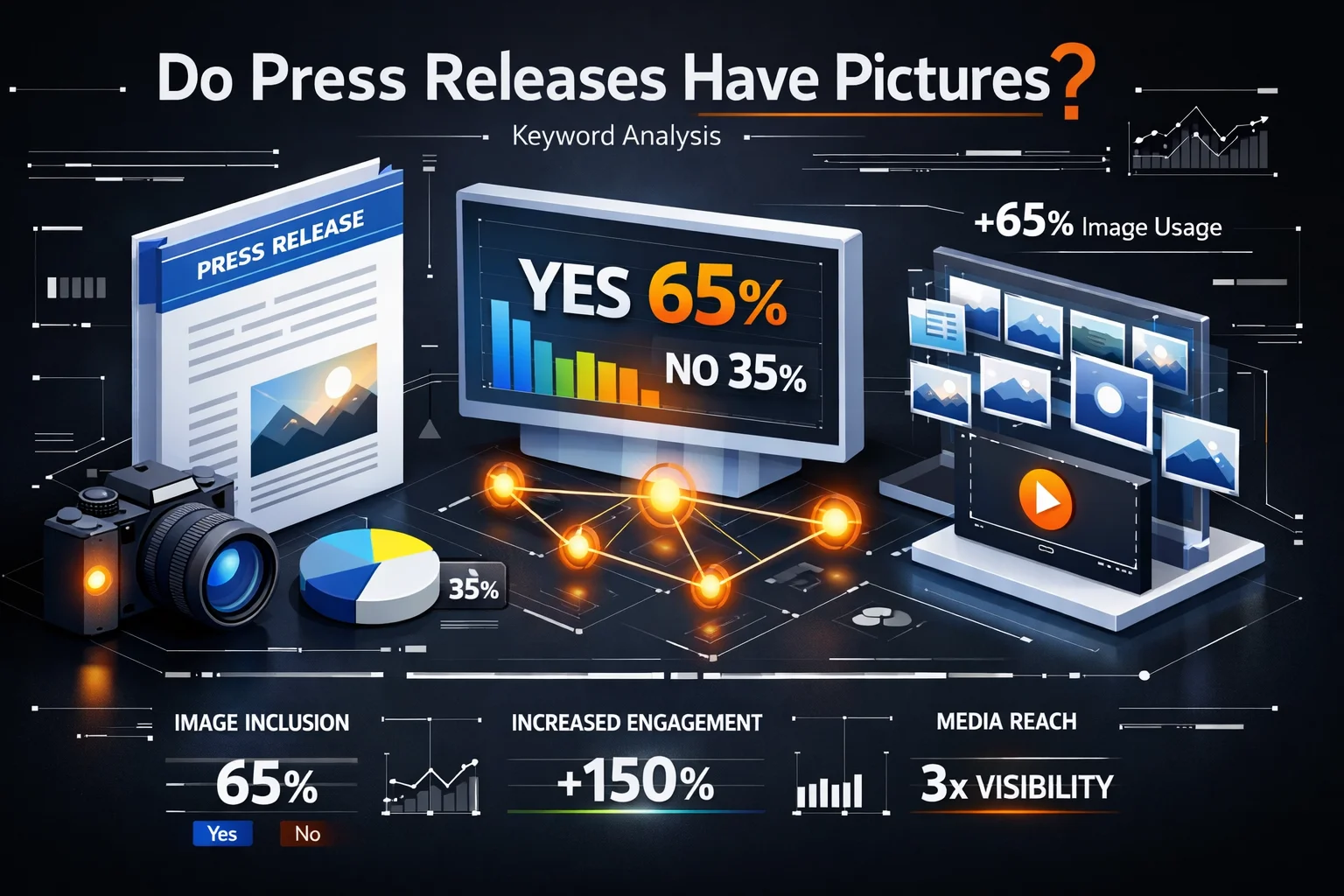
Furthermore, creating engaging content also involves storytelling and emotional connection. By crafting compelling narratives that resonate with consumers on a personal level, companies can create a lasting impression and build stronger connections with their audience. Additionally, incorporating visual elements such as images and videos can also enhance the impact of content and make it more engaging for consumers.
Leveraging Social Media and Digital Marketing
In today’s digital age, social media and digital marketing have become essential tools for reaching and engaging with consumers. With billions of active users on platforms such as Facebook, Instagram, Twitter, LinkedIn, and TikTok, social media offers unparalleled opportunities for companies to connect with their target audience. However, leveraging social media effectively requires a strategic approach that aligns with the company’s overall marketing objectives.
One key aspect of leveraging social media is understanding the unique dynamics of each platform. Different social media platforms cater to different demographics and user behaviors, so it’s important for companies to tailor their content and messaging accordingly. For example, visual platforms like Instagram may be more suitable for showcasing products through high-quality images, while LinkedIn may be better suited for sharing thought leadership content within a professional context.
In addition to organic content, companies can also leverage paid advertising on social media to reach a wider audience and drive specific business objectives such as lead generation or website traffic. By targeting specific demographics or interests, companies can ensure that their ads are reaching the right audience at the right time. Furthermore, social media also provides valuable opportunities for engaging with consumers through two-way communication. By responding to comments, messages, and mentions in a timely manner, companies can build stronger relationships with their audience and foster brand loyalty.
Measuring and Evaluating Marketing Success
Finally, measuring and evaluating the success of marketing efforts is crucial for continuous improvement and optimization. By tracking key performance indicators (KPIs) such as website traffic, conversion rates, social media engagement, email open rates, and customer acquisition costs, companies can gain valuable insights into the effectiveness of their marketing strategies.
One common tool for measuring marketing success is Google Analytics, which provides detailed insights into website traffic, user behavior, and conversion rates. By analyzing this data, companies can identify areas for improvement and make data-driven decisions about where to allocate resources for maximum impact.
Furthermore, companies should also seek feedback from customers through surveys or reviews to gauge satisfaction with their products or services as well as their overall experience with the brand. This qualitative data can provide valuable insights into areas for improvement or potential opportunities for growth.
In conclusion, effective marketing strategies are essential for businesses to reach and engage with their target audience in today’s competitive landscape. By avoiding bad marketing strategies such as a lack of understanding of the target audience or outdated tactics, companies can mitigate potential negative impacts on their reputation and bottom line. Instead, by implementing effective strategies that prioritize understanding the target audience, leveraging data and analytics, creating engaging content, leveraging social media effectively, and measuring success through KPIs and customer feedback, businesses can position themselves for long-term success in the market.