Introduction
Press release distribution serves as a foundational component of modern public relations, enabling individuals, organizations, and businesses to disseminate information to media outlets and ultimately, the public. The process of buying press release distribution involves strategically selecting services to amplify a message. This guide aims to demystify this process, providing a structured approach to maximizing media exposure through informed purchasing decisions.
Understanding Press Release Distribution
Press release distribution is the act of circulating a press release to journalists, editors, bloggers, and other media professionals. The objective is to secure media coverage, which can range from mentions in news articles to full features. Historically, this involved direct outreach; however, contemporary methods increasingly rely on specialized distribution services.
The Purpose of a Press Release
A press release is a formal, written communication issued to members of the news media for the purpose of announcing something newsworthy. Beyond mere announcements, press releases aim to achieve several critical objectives:
- Announcing Significant News: This includes product launches, mergers, acquisitions, executive appointments, event announcements, and significant achievements.
- Building Brand Awareness: Consistent distribution can enhance brand visibility and recognition within target markets.
- Controlling the Narrative: By providing pre-written information, organizations can present their news in a desired
light, minimizing misinterpretation.
- Driving Web Traffic and SEO: Many distribution services include links to an organization’s website, potentially improving search engine rankings and directing interested parties to relevant online content.
- Establishing Credibility: Coverage in reputable media outlets lends authority and trustworthiness to an organization.
Traditional vs. Digital Distribution
The landscape of press release distribution has evolved significantly.
- Traditional Distribution: Once reliant on fax machines, postal mail, and direct email to individual journalists, this method was highly time-consuming and labor-intensive. Its effectiveness was often limited by the sheer volume of unsolicited communications journalists received.
- Digital Distribution: Modern distribution primarily occurs through digital platforms. These platforms leverage extensive databases of media contacts, categorized by industry, geography, and beat. They offer features such as multimedia embedding (images, videos), social media sharing integration, and analytics tracking. The efficiency and broad reach of digital services have made them the standard for contemporary public relations.
Choosing a Press Release Distribution Service
The market for press release distribution services is diverse, offering a spectrum of features and price points. Making an informed choice requires a methodical evaluation of needs and provider capabilities.
Identifying Your Target Audience and Media
Before engaging any service, clarity regarding your intended audience and the media consumed by that audience is paramount. Consider:
- Demographics: Who are you trying to reach (e.g., consumers, investors, industry professionals)?
- Geographic Scope: Is your news relevant locally, nationally, or internationally?
- Industry Focus: Which specific publications, blogs, or news sites cover your sector?
A mismatch here is akin to shouting into a void; the message may be delivered, but it will not resonate with the intended recipients.
Evaluating Service Features and Reach
Distribution services offer varying levels of reach and functionality.
- Database Size and Quality: Investigate the number of journalists and publications a service claims to reach. More critically, assess the relevance and currency of their media contacts. A large, but outdated or irrelevant database, offers little value.
- Industry and Geographic Targeting: Effective services allow for granular targeting. Can you specify industries, regions, or even specific types of publications (e.g., trade journals, general news, financial news)?
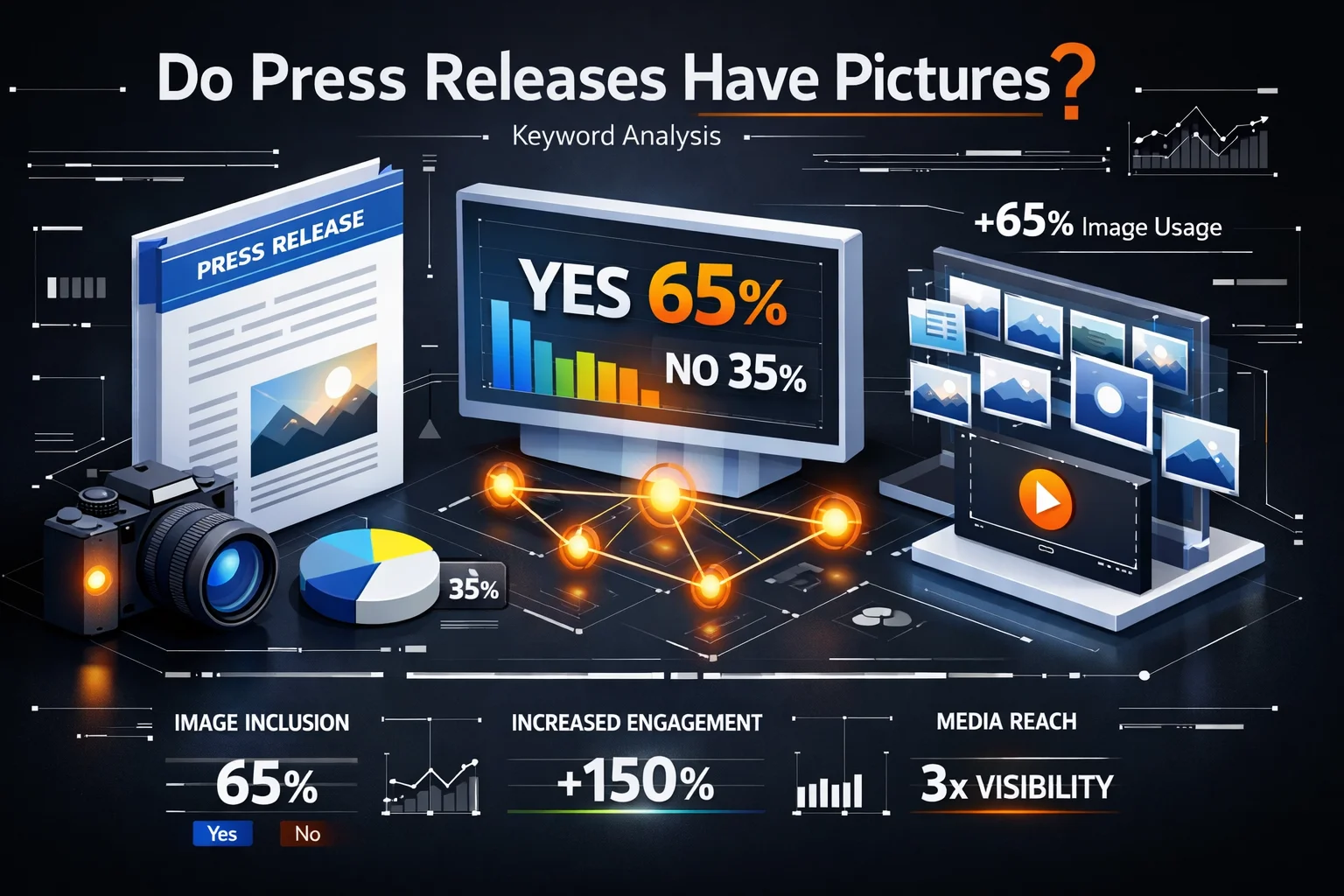
- Multimedia Inclusion: The ability to embed images, videos, and audio files can significantly enhance engagement. Visual content often performs better in news coverage.
- SEO Optimization: Look for features that support search engine optimization, such as anchor text links, keyword integration, and distribution to news aggregators that Google indexes.
- Reporting and Analytics: Post-distribution reports are essential for measuring effectiveness. These should ideally include statistics on pickups, views, click-through rates, and social shares, if applicable.
- Customer Support: Responsive and knowledgeable support can be invaluable, especially for first-time users.
Pricing Structures
Pricing models for press release distribution vary considerably.
- Per-Release Fees: Many services charge a flat fee per press release, with higher tiers offering broader distribution or additional features.
- Subscription Plans: For organizations with ongoing PR needs, subscription models can be cost-effective, providing a set number of releases or unlimited distribution within a given period.
- Tiered Packages: Services often offer basic, standard, and premium packages, each with an escalating set of features and distribution reach.
- Add-on Services: Be aware of potential extra costs for multimedia inclusion, wire service distribution (e.g., AP, Wall Street Journal), or extended word counts.
It is advisable to compare the total cost of ownership, considering both immediate needs and potential future requirements.
Preparing Your Press Release for Distribution
A well-crafted press release is the engine of your distribution efforts. Even the most robust distribution service cannot compensate for poor content.
Crafting a Compelling Headline
The headline is the gateway to your news. It must be:
- Concise: Generally under 100 characters.
- Informative: Summarize the core news.
- Engaging: Spark interest without being sensational.
- Keyword-Rich: Include relevant keywords for searchability.
It serves as a hook, determining whether a journalist reads further.
Writing a Clear and Concise Body
The body of the press release adheres to a standard structure, often described as the “inverted pyramid” style.
- Lead Paragraph (Dateline and Lede): This crucial paragraph summarizes the who, what, when, where, and why of your news. It should answer the most critical questions immediately. The dateline indicates the city and date of issuance.
- Supporting Paragraphs: Subsequent paragraphs expand on the lead, providing context, background information, quotes, and relevant data. Maintain a factual and objective tone.
- Boilerplate: A brief, standardized description of your organization, appearing at the end of every press release. It provides essential background for media professionals.
- Media Contact Information: Clear contact details for your designated media representative. This ensures journalists can easily follow up for more information or interviews.
- ### (End Mark): The traditional signifying end of the press release.
Avoid jargon, excessive self-promotion, and subjective language. The goal is to provide news, not advertising copy.
Including Multimedia Elements
Multimedia can significantly enhance a press release’s impact.
- Images: High-resolution photos, infographics, or logos can break up text and convey information visually. Ensure proper licensing and captions.
- Video: A short explainer video, a product demo, or an interview snippet can be highly engaging and increase the likelihood of coverage online.
- Links: Include relevant links to your website, product pages, or other resources. Ensure they are functional and lead to appropriate content.
These elements are not mere decorations; they are integral components that can amplify your message and provide richer context.
Maximizing Pickups and Coverage
The objective of distribution is not just to send a press release, but to secure media pickups and coverage. This requires strategic thinking beyond the mere act of sending.
Timing Your Release
Timing can be a critical factor in the success of a press release.
- Avoid Busy Periods: Mondays and Fridays are often less effective. Mondays see journalists overloaded with weekend news, while Fridays often have reduced newsroom staff. Mid-week (Tuesday, Wednesday, Thursday) mornings are generally considered optimal.
- Tie to Trends or Events: Releasing news that aligns with current events, industry trends, or seasonal themes can increase its relevance and appeal.
- Embargoes: For highly sensitive or significant news, an embargo can be used. This means providing the news to journalists in advance with the agreement that it will not be published before a specified date and time. Use embargoes judiciously, as breaking them can damage relationships.
Following Up Judiciously
While distribution services handle the initial outreach, strategic follow-up can differentiate your news.
- Targeted Follow-up: Instead of blanket emails, identify specific journalists or outlets whose work aligns with your news. A personalized email highlighting why your story is relevant to their beat can be effective.
- Provide Additional Information: Offer to provide exclusive quotes, interviews, or additional data. Position yourself as a helpful resource.
- Be Respectful of Time: Journalists are busy. Keep follow-ups concise and avoid multiple insistent contacts. A single, well-timed follow-up is often sufficient. If there’s no interest, move on.
The goal is to cultivate relationships, not to badger.
Monitoring and Measuring Results
Distribution without measurement is akin to sailing without a compass.
- Track Pickups: Monitor which media outlets publish your news. Pay attention to the quality and prominence of the coverage.
- Analyze Web Traffic and Mentions: Observe spikes in referral traffic to your website or mentions of your brand on social media or search engines.
- Evaluate Sentiment: Assess the tone of the coverage. Is it positive, negative, or neutral? This provides insights into how your message is being received.
- Identify Key Learnings: Use the data to refine your public relations strategy. What headlines performed best? Which multimedia elements garnered the most engagement? Which outlets were most receptive?
These insights are invaluable for optimizing future distribution efforts.
Common Mistakes to Avoid
Even experienced public relations professionals can make errors in judgment when it comes to press release distribution. Avoiding these pitfalls can significantly improve outcomes.
Sending Non-Newsworthy Content
This is perhaps the most significant error. A press release is a news item, not an advertisement or a general announcement. If your content lacks genuine news value, it will be ignored by journalists, regardless of the distribution channel. Before writing, ask yourself: “Would a general news consumer find this interesting or important?” If the answer is no, reconsider the nature of your announcement or reframe it to highlight its impact. Distributing irrelevant content dilutes your brand’s credibility with media professionals.
Incorrect Targeting
Distributing a press release about a new medical device to a fashion blog is a waste of resources. Generic, untargeted distribution is ineffective. It irritates journalists who receive irrelevant material and provides no value to your organization. As previously noted, granular targeting is critical. Invest time in understanding the beats of individual journalists and the focus of specific publications. A smaller, highly targeted distribution often yields better results than a broad, unfocused broadcast.
Grammatical Errors and Typos
Errors in grammar, spelling, and punctuation undermine the professionalism of your press release. Journalists are unlikely to cover news from an organization that cannot proofread its own communications. Such errors signal a lack of attention to detail and can detract from the credibility of your message. Always proofread meticulously, and ideally, have multiple individuals review the final draft before distribution. Tools like grammar checkers can assist, but a human eye is indispensable.
Overlooking the “So What?” Factor
Every press release should explicitly answer the question: “So what does this mean for the audience?” Whether it’s a new product launch, a financial report, or an event announcement, the impact and relevance to the reader must be clear. Journalists are constantly looking for stories that resonate with their audience. If your press release fails to articulate the broader significance or implications of your news, it will be overlooked. Frame your news not just in terms of what happened, but why it matters.
Neglecting Follow-Up
The work does not end once the press release is distributed. Neglecting strategic follow-up leaves potential coverage on the table. While aggressive badgering is counterproductive, a polite, well-timed follow-up email or call to key journalists can make a difference. This might involve offering an exclusive interview, providing additional context, or simply reiterating the unique angle of your story. Without follow-up, your press release becomes a passive announcement rather than an active pitch.
Conclusion
Buying press release distribution is not a passive transaction; it is a strategic investment in public relations. By understanding the mechanics of distribution, carefully selecting services, meticulously preparing content, and employing thoughtful follow-up, organizations and individuals can significantly amplify their news and achieve meaningful media exposure. The landscape of media relations is dynamic, but the principles of clear communication, targeted outreach, and genuine news value remain constant.
FAQs
What is press release distribution?
Press release distribution is the process of sending out a press release to various media outlets, journalists, and news organizations in order to gain media exposure and coverage for a company, product, or event.
How does press release distribution work?
Press release distribution works by sending out a well-crafted press release to targeted media contacts and outlets, either through a press release distribution service or directly by the company or PR agency. The goal is to get the press release picked up and covered by journalists and media outlets.
What are the benefits of using a press release distribution service?
Using a press release distribution service can help maximize media exposure by reaching a wider audience of journalists and media outlets. These services often have established relationships with media contacts and can provide reporting and analytics on the press release’s performance.
What should be included in a press release for distribution?
A press release for distribution should include a compelling headline, a concise and newsworthy angle, relevant quotes, and contact information for media inquiries. It should also be formatted according to industry standards and include multimedia assets if available.
How can companies maximize their media exposure through press release distribution?
Companies can maximize their media exposure through press release distribution by targeting the right media contacts and outlets, crafting a newsworthy and compelling press release, and following up with journalists to pitch the story. It’s also important to track and analyze the results of the press release distribution to inform future strategies.