
A digital PR agency can significantly impact the growth trajectory of a small business. Unlike traditional public relations, digital PR leverages online channels to build brand awareness, enhance credibility, and drive conversions. For a small business with limited resources, a well-executed digital PR strategy can be a game-changer, leveling the playing field against larger competitors. This article outlines the mechanisms through which a proficient digital PR agency can contribute to the success of a small business.
Understanding Digital PR for Small Businesses
Digital PR integrates elements of search engine optimization (SEO), content marketing, social media marketing, and traditional PR. Its primary objective is to secure online mentions, backlinks, and positive media coverage across various digital platforms. For a small business, this translates to increased visibility, improved search rankings, and ultimately, a stronger bottom line.
Distinguishing Digital PR from Traditional PR
Traditional PR primarily focuses on print, radio, and television media. While these outlets retain some influence, their reach is often limited compared to the expansive digital landscape. Digital PR, conversely, targets online publications, blogs, social media influencers, and news websites. This broader reach allows for more targeted messaging and direct engagement with specific audience segments.
The Value Proposition for Small Businesses
Small businesses often operate with tighter budgets and fewer personnel. A digital PR agency acts as an outsourced, specialized team. They bring expertise in content creation, media pitching, and data analysis, which may be beyond the internal capabilities of a small business. This partnership allows the small business to focus on core operations while the agency manages its online reputation and visibility.
Key Strategies Employed by Digital PR Agencies
A successful digital PR agency employs a multi-faceted approach, combining various tactics to achieve its objectives. Individual strategies are often interdependent, contributing to a holistic campaign.
Content Creation and Distribution
High-quality content is the bedrock of any successful digital PR campaign. This includes articles, blog posts, infographics, videos, and press releases. The content must be relevant to the target audience and offer genuine value.
Crafting Engaging Blog Posts
Blog posts serve multiple purposes. They establish thought leadership, provide valuable information to potential customers, and generate organic search traffic. An agency will identify relevant topics, conduct keyword research, and produce compelling content that resonates with the audience.
Developing Strategic Press Releases
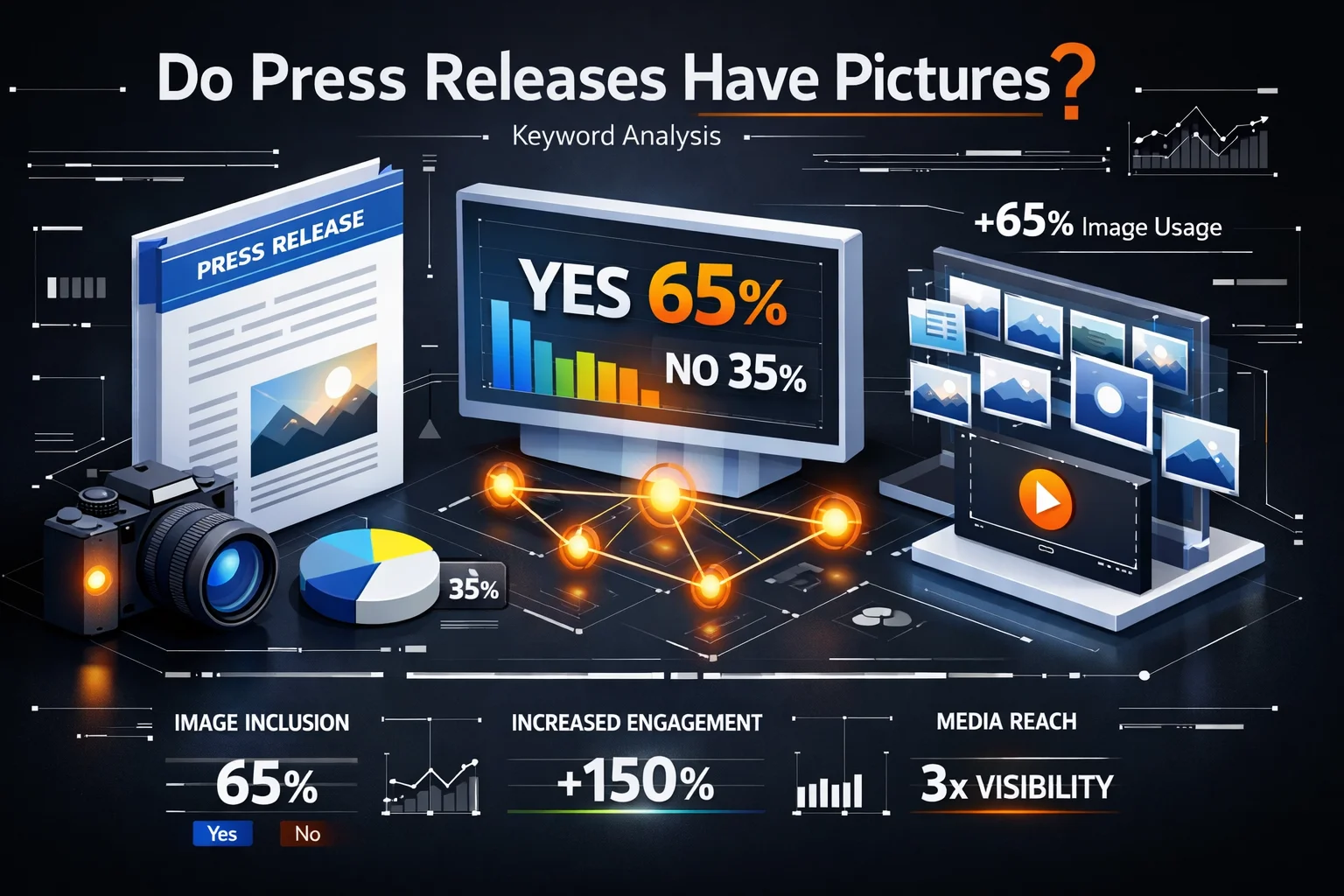
While traditional press releases focus on news, digital press releases are optimized for online distribution and search engines. They announce significant events, product launches, or company milestones, aiming to secure coverage from online news outlets and industry blogs. The agency ensures the press release is newsworthy and contains appropriate keywords and backlinks.
Utilizing Infographics and Visual Content
Visual content is highly shareable and effective in conveying complex information concisely. Infographics can summarize data, explain processes, or illustrate key points, making them valuable assets for social media sharing and gaining editorial links.
Media Relations and Outreach
Securing placements in reputable online publications is crucial for building credibility and driving referral traffic. This process involves identifying relevant journalists, bloggers, and influencers, and then crafting personalized pitches.
Identifying Key Influencers and Media Outlets
An agency maintains a database of media contacts and opinion leaders within various industries. They identify outlets and individuals whose audiences align with the small business’s target market. This targeted approach increases the likelihood of securing meaningful coverage.
Crafting Compelling Pitches
A successful pitch is concise, relevant, and demonstrates an understanding of the journalist’s or influencer’s audience. It highlights the unique value proposition of the small business and explains why their story is newsworthy. Generic, template-based pitches are generally ineffective.
Building Relationships with Journalists
Long-term success in digital PR hinges on cultivating relationships with media professionals. Agencies act as intermediaries, fostering connections that can lead to recurring coverage and collaborative opportunities.
Search Engine Optimization (SEO) Integration
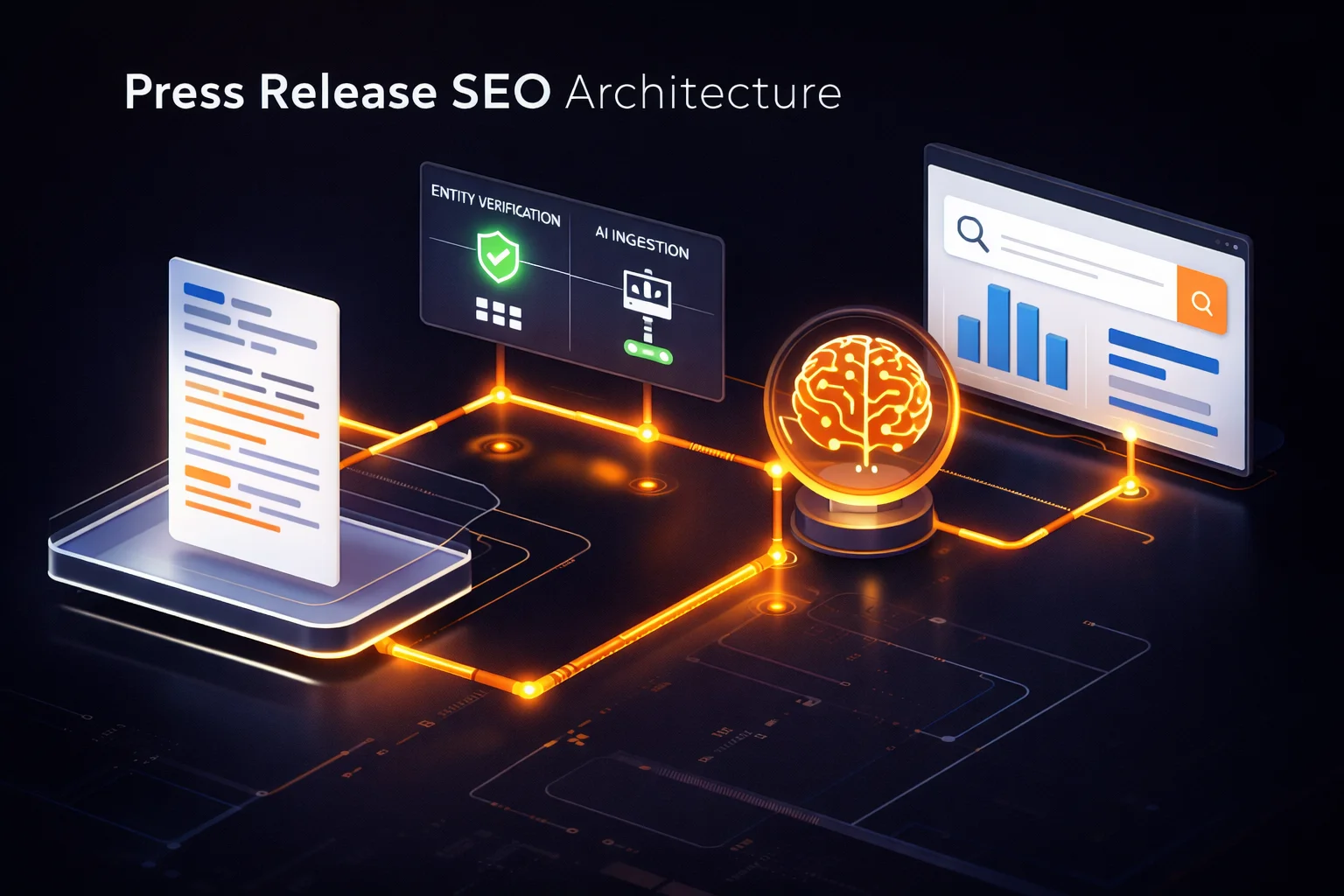
Digital PR and SEO are complementary disciplines. Backlinks acquired through PR efforts improve a website’s authority, which in turn enhances its search engine rankings.
Acquiring High-Quality Backlinks
Backlinks from reputable websites signal to search engines that a business’s website is a valuable resource. An agency actively seeks opportunities to secure these links through content syndication, guest posting, and press coverage.
Optimizing Content for Keywords
Beyond creating engaging content, an agency optimizes it for relevant keywords. This ensures that when potential customers search for products or services offered by the small business, their content appears prominently in search results.
Monitoring Search Rankings and Traffic
Agencies track the impact of their PR efforts on search engine performance. This data informs future strategies and demonstrates the return on investment (ROI) for the small business.
Measuring Success and Demonstrating ROI
For any small business, understanding the return on investment (ROI) of marketing and PR initiatives is critical. A reputable digital PR agency provides clear metrics and regular reporting to demonstrate the impact of its work.
Key Performance Indicators (KPIs)
Agencies use a range of KPIs to evaluate the effectiveness of their campaigns. These metrics provide a quantifiable measure of progress and success.
Website Traffic and Referrals
An increase in direct, referral, and organic traffic to the small business’s website is a primary indicator of successful digital PR. Agency reports detail the sources of this traffic and its quality.
Brand Mentions and Sentiment Analysis
Tracking online mentions across social media, news sites, and blogs allows an agency to gauge brand visibility. Sentiment analysis further determines whether these mentions are positive, negative, or neutral, providing insight into public perception.
Backlink Profile Growth
The number and quality of backlinks acquired over time is a direct measure of the PR agency’s success in increasing domain authority and search visibility. A diverse and robust backlink profile is a strong indicator of SEO improvement.
Conversion Rates and Leads Generated
Ultimately, digital PR should contribute to tangible business outcomes. Agencies can track how many leads are generated through PR efforts and how these leads convert into customers, providing a direct link between PR activities and sales.
Regular Reporting and Analytics
Transparent reporting is a hallmark of a professional digital PR agency. Clients receive regular updates that detail campaign performance, insights, and future strategies.
Custom Dashboards and Data Interpretation
Agencies often provide access to custom dashboards that visualize key metrics. They also offer expert interpretation of this data, explaining what the numbers mean for the small business and outlining actionable recommendations.
Strategic Adjustments Based on Data
Digital PR is an iterative process. Data analysis informs strategic adjustments, allowing the agency to optimize campaigns for better results. This adaptability ensures that resources are allocated effectively.
Choosing the Right Digital PR Agency
Selecting the appropriate digital PR agency is a critical decision for any small business. The right partner will understand specific business objectives and possess the expertise to achieve them.
Assessing Experience and Specialization
Not all digital PR agencies are created equal. Some specialize in particular industries or offer niche services. Businesses should seek agencies with demonstrable experience and a track record of success within their relevant sector.
Industry Expertise
An agency with experience in your industry will understand its nuances, competitive landscape, and key media players. This reduces the learning curve and allows for more effective campaign development.
Case Studies and Testimonials
Reputable agencies will readily provide case studies of past campaigns and testimonials from satisfied clients. These demonstrate their capabilities and the tangible results they have achieved for other businesses.
Evaluating Communication and Transparency
Effective communication is paramount in any client-agency relationship. A good agency will be transparent about its processes, strategies, and results.
Clear Communication Channels
Ensure the agency offers clear and consistent communication channels. Regular meetings, detailed reports, and prompt responses to inquiries are indicators of a well-managed client relationship.
Realistic Expectations and Ethical Practices
Beware of agencies that promise unrealistic guarantees or employ “black hat” tactics. Legitimate digital PR builds long-term relationships and sustainable growth, adhering to ethical practices.
Understanding Pricing and Contract Terms
Pricing structures for digital PR services vary. It is important to understand what is included in the fee and the terms of the contract.
Project-Based vs. Retainer Models
Agencies typically offer project-based fees for specific campaigns or retainer models for ongoing services. Small businesses should choose the option that best aligns with their budget and objectives.
Scalability and Flexibility
As a small business grows, its PR needs may evolve. Consider an agency that can scale its services to accommodate changing requirements and offers flexibility in its contract terms.
By carefully considering these factors, a small business can select a digital PR agency that acts as a powerful catalyst for growth, helping them navigate the competitive online landscape and achieve sustained success. The agency, in essence, becomes the advocate that guides your brand through the digital currents, surfacing it to wider recognition and establishing its authority.
FAQs
What is a digital PR agency?
A digital PR agency is a company that specializes in managing a brand’s online presence and reputation through various digital channels such as social media, online publications, and influencer partnerships.
What services can a digital PR agency provide for a small business?
A digital PR agency can provide services such as online reputation management, social media management, influencer marketing, content creation, digital press releases, and online event management to help small businesses increase their online visibility and credibility.
How can a digital PR agency help catapult a small business to success?
A digital PR agency can help a small business by increasing its online visibility, building brand credibility, and reaching a wider audience through strategic digital PR campaigns. This can lead to increased brand awareness, customer engagement, and ultimately, business growth.
What are the benefits of hiring the best digital PR agency for a small business?
Hiring the best digital PR agency can provide a small business with access to expertise in digital marketing, industry connections, and the ability to create impactful digital PR strategies that can help the business stand out in a crowded online marketplace.
How can a small business choose the best digital PR agency for its needs?
When choosing a digital PR agency, a small business should consider factors such as the agency’s track record, industry experience, client testimonials, and the specific services offered to ensure that the agency aligns with the business’s goals and values.