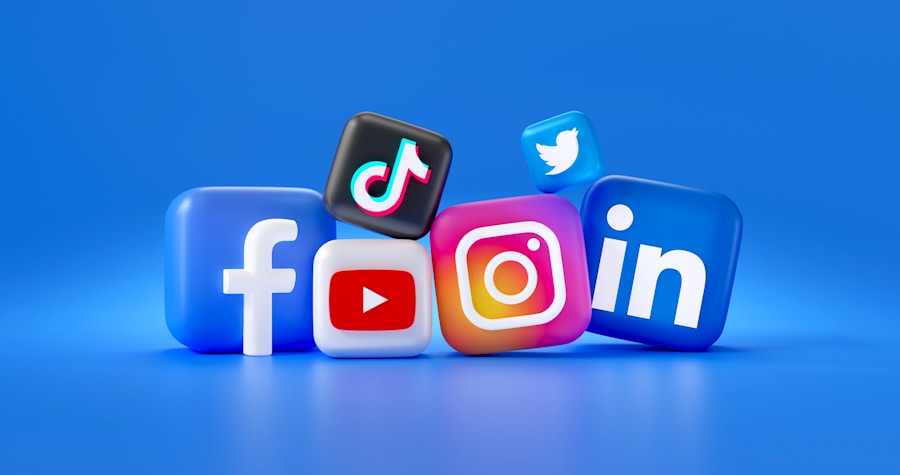
You are seeking to maximize brand visibility in a competitive digital landscape. Understanding the most effective platforms for achieving this exposure is crucial. This article outlines five prominent platforms that offered significant opportunities for brand reach and engagement in 2021. It will delve into their core functionalities, target audiences, and strategic considerations for effective utilization.
Social Media Powerhouses: For Widespread Reach
Social media platforms remain foundational for brand exposure, acting as digital town squares where conversations and content proliferate. Their inherent shareability mechanisms allow messages to rapidly traverse user networks, amplifying reach far beyond initial impressions. In 2021, a select few platforms solidified their positions as titans in this arena, offering diverse avenues for brand interaction.
Facebook: The Enduring Giant
Despite evolving demographics, Facebook maintained its status as a behemoth in 2021. Its vast user base, encompassing a broad spectrum of age groups and interests, continued to offer unparalleled reach. For brands, this translated into opportunities for both organic and paid exposure.
- Audience Demographics: While younger audiences increasingly gravitated towards newer platforms, Facebook retained a strong presence among older millennials, Gen X, and baby boomers. This demographic breadth made it suitable for brands targeting a wide range of consumers.
- Content Formats: Facebook supported a diverse array of content, including text posts, images, videos, Live streams, and Stories. This versatility allowed brands to experiment with different content strategies to resonate with their audience. Long-form video and interactive polls often generated higher engagement.
- Advertising Capabilities: Facebook’s advertising platform, Facebook Ads Manager, remained a powerful tool. Its granular targeting options allowed brands to reach specific segments of its immense user base based on demographics, interests, behaviors, and even custom audience uploads. This precision enabled efficient allocation of advertising budgets, similar to a skilled archer hitting a distant target with a well-aimed arrow.
- Group and Community Engagement: Facebook Groups continued to foster niche communities. Brands could leverage these groups, either by creating their own or participating in relevant existing ones, to engage directly with highly interested individuals, fostering a sense of community around their offerings.
Instagram: The Visual Storyteller
Instagram, owned by Meta (formerly Facebook Inc.), continued its ascent as a primary platform for visual content in 2021. Its emphasis on imagery and short-form video made it particularly effective for brands with visually appealing products or services.
- Audience Demographics: Instagram’s user base leaned younger than Facebook’s, with a strong concentration among millennials and Gen Z. This made it a vital channel for brands aiming to connect with these influential consumer groups.
- Content Formats: Beyond static images, Instagram Stories and Reels emerged as dominant content formats. Stories offered ephemeral, engaging content, while Reels provided a short-form video experience directly competing with TikTok. Brands often used these formats for behind-the-scenes glimpses, product demonstrations, and quick updates.
- Influencer Marketing: Instagram remained a cornerstone for influencer marketing. Collaborating with relevant influencers provided brands with access to established audiences, lending authenticity and credibility to their messaging. This amplified reach through trusted voices, like a ripple effect from a stone dropped in a pond.
- Shopping Features: Instagram’s integrated shopping features, such as shoppable posts and product tags, directly linked content to e-commerce, streamlining the purchase journey for consumers. This reduced friction in the buying process, transforming browsers into buyers more readily.
Professional Networking: For B2B and Thought Leadership
Beyond broad consumer reach, specific platforms excelled at connecting brands with professional audiences, fostering B2B relationships, and establishing industry authority. These platforms are less about viral memes and more about substantive industry discourse.
LinkedIn: The Business Nexus
LinkedIn solidified its position as the premier professional networking site in 2021. It served as a critical platform for B2B marketing, recruitment, and establishing thought leadership.
- Audience Demographics: LinkedIn’s user base comprised professionals across all industries and seniority levels. This made it an invaluable resource for reaching decision-makers, industry experts, and potential employees.
- Content Strategy: Long-form articles, industry reports, company updates, and professional insights thrived on LinkedIn. Brands could publish original content or share curated information relevant to their sector, positioning themselves as authoritative voices.
- Employee Advocacy: Encouraging employees to share company news and achievements on their personal LinkedIn profiles extended a brand’s reach and reinforced its employer brand. Employees act as brand ambassadors, each a small beacon illuminating the larger enterprise.
- Advertising Capabilities: LinkedIn’s advertising platform allowed for sophisticated targeting based on job title, industry, company size, and professional skills. This precision was crucial for B2B lead generation and targeted recruitment campaigns.
- Company Pages: Well-maintained LinkedIn Company Pages acted as digital storefronts for businesses, showcasing their culture, offerings, and open positions. They served as a central hub for professional identity and engagement.
Short-Form Video: The New Frontier
The explosion of short-form video content fundamentally reshaped the digital landscape in 2021. Platforms dedicated to this format offered brands unprecedented opportunities for rapid virality and direct connection with a younger, highly engaged audience.
TikTok: The Viral Catalyst
TikTok’s meteoric rise continued unabated in 2021, transforming it into a cultural phenomenon. Its algorithm-driven “For You Page” offered brands the potential for extraordinary organic reach, irrespective of follower count.
- Audience Demographics: TikTok’s user base was predominantly Gen Z and younger millennials. Brands targeting these demographics found TikTok to be an indispensable channel.
- Content Style: Authentic, creative, and often humorous short videos performed exceptionally well. Trends, challenges, and user-generated content were central to TikTok’s appeal. Brands that successfully adapted to this casual, unpolished style often achieved viral success. It was less about polished advertisements and more about relatable, engaging snippets, like a well-crafted jingle that sticks in the mind.
- Organic Reach Potential: Unlike platforms where reach often correlated with follower count, TikTok’s algorithm could push content from relatively unknown creators to millions of users. This democratic approach offered a level playing field for brands willing to experiment.
- Influencer Collaborations: TikTok influencers, often referred to as “TikTokers,” wielded significant influence. Partnering with creators who aligned with a brand’s values could generate authentic engagement and widespread exposure.
- Sound and Music Integration: Music and trending sounds were integral to TikTok’s ecosystem. Brands could leverage popular audio to enhance their content and increase discoverability.
Search Engine Dominance: For Intent-Based Discovery
While social media thrives on discovery and connection, search engines remain the bedrock for intent-based discovery. When consumers actively seek information, products, or services, search engines are their first port of call.
Google: The Information Gatekeeper
Google, encompassing its core search engine, YouTube (also owned by Google), and its advertising network, remained the undisputed leader for driving traffic through search in 2021. Its vast ecosystem provided numerous entry points for brand exposure.
- Search Engine Optimization (SEO): Optimizing website content for Google’s search algorithms was paramount. High-ranking search results provided continuous, organic traffic, akin to a well-tended garden consistently yielding fruit. This involved strategic keyword integration, high-quality content creation, and technical website optimization.
- Google Ads (Paid Search): Google Ads offered brands the ability to bid on keywords, placing their ads prominently in search results. This provided immediate visibility for specific searches, complementing organic SEO efforts. The precision of targeting allowed businesses to reach individuals with demonstrated intent to purchase.
- Google My Business: For local businesses, optimizing their Google My Business profile was crucial. This free tool allowed businesses to manage their online presence across Google Search and Maps, displaying essential information such as opening hours, contact details, and customer reviews.
- YouTube: The Video Search Engine: As the second-largest search engine globally, YouTube offered immense opportunities for video content. Brands could leverage YouTube for product demonstrations, tutorials, educational content, and engaging storytelling. Its search functionality meant that relevant videos could be discovered by users actively seeking information on specific topics.
- Content Marketing: Developing valuable, informative content (blog posts, articles, guides) that addressed user queries was a cornerstone of Google-centric brand exposure. Such content not only attracted organic search traffic but also established a brand as a knowledge leader in its domain.
Strategic Considerations for Maximizing Exposure
“`html
| Platform | Monthly Active Users (in millions) | Ad Reach Potential |
|---|---|---|
| 2,800 | 2.14 billion | |
| 1,000 | 1.16 billion | |
| YouTube | 2,000 | 2 billion |
| 310 | 810 million | |
| TikTok | 689 | 689 million |
“`
Selecting the right platforms is only the first step. Effective utilization requires a strategic approach.
- Audience-Platform Alignment: Match your target audience with the platforms they actively use. A platform’s popularity is irrelevant if your ideal customer is not present there.
- Content Adaptation: Each platform has its unique content formats and style. Repurposing content broadly is less effective than tailoring it to fit the nuances of each platform. What thrives on TikTok might fall flat on LinkedIn.
- Consistency: Regular and consistent presence on chosen platforms reinforces brand recognition and keeps audiences engaged.
- Analytics and Optimization: Continuously monitor performance metrics on each platform. Analyze what content resonates, what drives engagement, and what converts. Use these insights to refine your strategy.
- Integration: Consider how these platforms can work in concert. A well-placed link from Instagram to your website, or a YouTube video embedded in a LinkedIn article, can amplify the effectiveness of individual efforts.
In 2021, these five platforms provided robust avenues for brands seeking maximum exposure. Their continued evolution demands vigilance from marketers, but their fundamental strengths as channels for reach and engagement remained undeniable. By understanding their individual characteristics and deploying a well-considered strategy, brands could navigate the digital currents effectively, ensuring their message reached its intended destination.
FAQs
What are the top 5 platforms for maximum brand exposure in 2021?
The top 5 platforms for maximum brand exposure in 2021 are Instagram, Facebook, YouTube, LinkedIn, and TikTok.
How can Instagram be used for maximum brand exposure?
Instagram can be used for maximum brand exposure through visually appealing posts, engaging stories, and utilizing features like IGTV and Reels to reach a wider audience.
What strategies can be employed on Facebook for maximum brand exposure?
Strategies for maximum brand exposure on Facebook include creating engaging content, utilizing Facebook ads, and leveraging groups and communities to connect with the target audience.
How can YouTube contribute to maximum brand exposure?
YouTube can contribute to maximum brand exposure through creating high-quality video content, optimizing video titles and descriptions for search, and collaborating with influencers and other creators.
What are the benefits of using LinkedIn for brand exposure?
LinkedIn offers benefits for brand exposure such as professional networking, thought leadership opportunities, and targeted advertising to reach a professional audience.