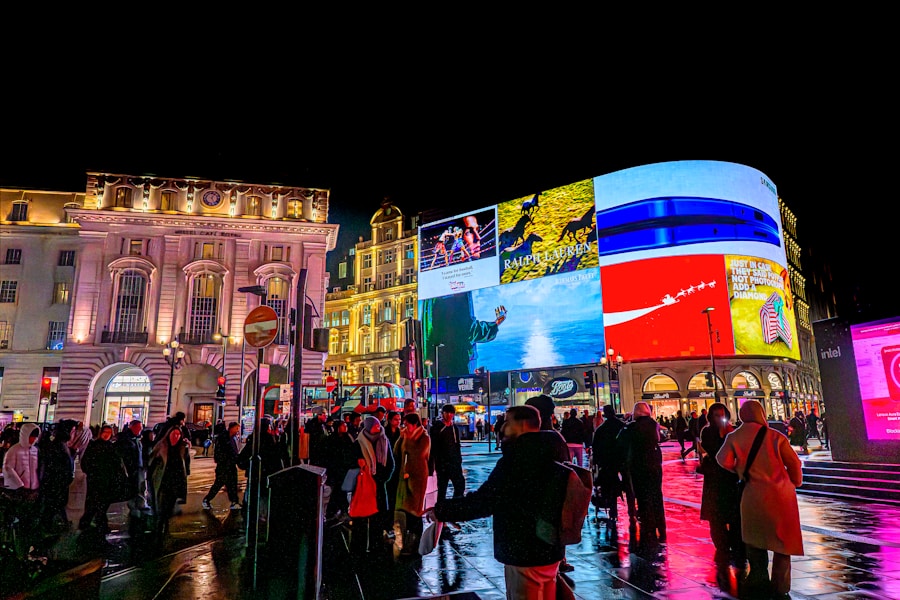
While Times Square is perhaps the world’s most iconic advertising location, its reputation for prohibitive costs often deters smaller businesses and individuals. This article explores several avenues for advertising in Times Square and the surrounding areas that are more accessible than traditional, large-scale digital billboards. It aims to dispel the myth that Times Square advertising is exclusively for multinational corporations, offering practical insights and actionable strategies for those with more modest budgets.
Understanding the Times Square Advertising Landscape
Times Square, a major commercial intersection and entertainment center in the Midtown Manhattan section of New York City, is one of the world’s busiest pedestrian areas, serving as a hub for both tourists and locals. Its high visibility makes it a coveted, yet seemingly unobtainable, advertising space. The advertising ecosystem here is diverse, ranging from colossal LED screens to smaller, static placements, each with varying costs and reach.
The Illusion of Exclusivity
Many perceive Times Square advertising as an exclusive club, accessible only to global brands with monumental marketing budgets. This perception, while somewhat grounded in reality regarding the largest installations, overlooks a spectrum of opportunities. Think of it like a sprawling multi-story department store: while the ground floor windows might feature high-end designer brands, there are many other floors and departments offering products and services at different price points. Your task is to navigate this “store” and find the advertising department that suits your budget and objectives.
Key Players in Times Square Advertising
Numerous companies own and operate the various advertising assets in Times Square. These often include major media conglomerates, specialized outdoor advertising firms, and building owners. Each typically manages a portfolio of screens and static placements, ranging in size, resolution, and location. Researching these operators is a fundamental first step in understanding the available options.
Static and Smaller Digital Billboard Options
Beyond the colossal digital displays that dominate media coverage, Times Square offers a variety of static and smaller digital advertising platforms. These options, while lacking the sheer scale of the largest screens, provide significant exposure in a high-traffic environment. Consider them as smaller, strategic outposts within the larger advertising fortress.
Building Wraps and Scaffolding Banners
During construction and renovation projects, buildings in and around Times Square are often clad in scaffolding. This scaffolding frequently provides opportunities for large-format banner advertising, known as building wraps. These are essentially oversized posters, printed on durable material, that drape over the scaffolding.
- Cost Efficiency: Compared to dynamic digital billboards, building wraps generally offer a more cost-effective entry point. The cost is typically based on the size of the banner, the duration of the display, and the specific location.
- Visibility: While not illuminated like digital screens, building wraps benefit from their sheer size and prominent placement. They act as temporary facades, becoming part of the streetscape.
- Production Considerations: Design and printing costs for large-format banners need to be factored in. Professional installation is also required.
Street-Level Digital Kiosks and Screens
Interspersed throughout Times Square are numerous smaller digital screens. These can be found on newsstands, public information kiosks, and within storefronts. While individually they may not command the same attention as a major billboard, their collective presence contributes to the overall advertising saturation.
- Targeted Placements: Some kiosks are located in high-foot-traffic areas, directly engaging pedestrians at eye level.
- Dynamic Content: Like larger digital billboards, these smaller screens allow for dynamic content, including video and animated graphics, which can be updated more frequently than static placements.
- Networked Advertising: Many of these screens are part of a larger network, allowing advertisers to purchase ad slots across multiple locations within Times Square or even across different parts of the city. This approach can be akin to casting a wider net rather than relying on a single, massive fishing trawler.
Taxi Top Advertising
New York City’s iconic yellow taxis are a persistent presence in Times Square. Advertising on top of these vehicles offers a mobile platform for your message, reaching a broad audience as the taxis navigate the city.
- Mobility: Your advertisement moves throughout the city, providing exposure beyond the immediate Times Square vicinity. This offers a wider geographic reach compared to a static placement.
- Repetitive Exposure: As taxis circulate, your ad can be seen by the same individuals multiple times, potentially increasing message retention.
- Cost Structure: Taxi top advertising is typically priced based on the number of taxis carrying the ad and the duration of the campaign.
Experiential and Guerrilla Marketing
Beyond traditional static and digital displays, creative and less conventional advertising methods can garner significant attention in Times Square. These approaches often rely on novelty and direct engagement, rather than sheer size or luminescence. Think of these as nimble speedboats weaving through a harbor filled with cargo ships.
Street Teams and Brand Ambassadors
Deploying brand ambassadors or street teams in Times Square can create a direct, personal connection with your target audience. These individuals can distribute flyers, samples, or engage in interactive promotions.
- Direct Engagement: This method allows for two-way communication, providing an opportunity to answer questions and gather immediate feedback.
- Memorability: A positive personal interaction can leave a more lasting impression than a fleeting glance at a billboard.
- Logistical Considerations: Permits may be required for certain activities, and careful planning is essential to ensure a professional and impactful presence.
Flash Mobs and Pop-Up Performances
Carefully planned and executed flash mobs or pop-up performances can generate considerable buzz, especially if they are unique and entertaining. These events, when documented, also provide valuable content for social media.
- Virality Potential: A well-executed performance can go viral online, extending its reach far beyond the immediate audience in Times Square.
- Brand Association: Associating your brand with a positive, memorable experience can strengthen brand perception.
- Permit Requirements: Obtaining necessary permits for public performances is crucial to avoid legal issues.
Mobile Billboards and Ad Trucks
For a more dynamic and targeted approach, mobile billboards – trucks equipped with large advertising displays – can be an effective option. These vehicles can be strategically routed through Times Square and surrounding areas during peak hours.
- Targeted Routes: You have control over where and when your message is displayed, allowing you to maximize exposure to specific audiences or during particular events.
- Flexibility: Content can be changed relatively easily, offering flexibility for A/B testing or adjustments based on campaign performance.
- Permit Requirements: Operating a mobile billboard in New York City requires adherence to specific regulations and permits.
Digital Out-of-Home (DOOH) Networks
Beyond the largest screens, a vast network of smaller digital screens exists within businesses, public spaces, and transportation hubs surrounding Times Square. These Digital Out-of-Home (DOOH) networks offer granular targeting and programmatic buying capabilities. Imagine these as a distributed constellation of smaller stars, each contributing to the overall illumination.
In-Store Digital Screens
Many retail establishments, restaurants, and entertainment venues in and around Times Square feature digital screens within their premises. Advertisers can purchase ad slots on these screens, reaching consumers while they are engaged in spending or leisure activities.
- Contextual Relevance: Ads can be placed in environments relevant to the product or service being advertised. For example, a restaurant ad could appear on a screen in a nearby bar.
- Engaged Audience: Consumers are often more receptive to advertising when they are already in a commercial or entertainment environment.
- Programmatic Buying: Many DOOH networks use programmatic platforms, allowing advertisers to bid for ad placements and optimize campaigns in real-time.
Public Transportation Advertising
The subway stations, bus shelters, and train cars serving Times Square offer numerous advertising opportunities. These placements reach commuters and tourists on their way into and out of the area.
- High Frequency of Exposure: Commuters often see the same ads repeatedly, increasing message recall.
- Diverse Audience: Public transportation reaches a broad demographic, from daily commuters to occasional visitors.
- Variety of Formats: Options include static posters, digital screens, and even wraps on train cars.
Building Lobby and Elevator Screens
Many commercial and residential buildings in the Times Square vicinity feature digital screens in their lobbies and elevators. These provide a captive audience for short, impactful messages.
- Captive Audience: Individuals waiting for elevators or passing through lobbies are often looking for something to engage with.
- Professional Environment: Advertising in these locations can project a sense of professionalism and credibility.
- Segmentation: Some networks allow for targeting based on the demographics of the building’s occupants or visitors.
Strategic Considerations for Budget-Conscious Advertisers
| Advertising Option | Location | Cost | Size |
|---|---|---|---|
| Static Billboards | Times Square | Varies | Standard sizes available |
| Electronic Billboards | Times Square | Varies | High-resolution digital screens |
| Mobile Billboard Trucks | Times Square and surrounding areas | Varies | Mobile, customizable sizes |
Approaching Times Square advertising with a limited budget requires strategic thinking and a clear understanding of your objectives. It’s about being resourceful and making every dollar count, much like a skilled chess player making calculated moves.
Define Your Objectives Clearly
Before investing in any advertising, clearly define what you aim to achieve. Are you looking for brand awareness, lead generation, website traffic, or something else? Your objectives will guide your choice of advertising format and content. For example, if your goal is solely brand awareness, a large, static banner might be sufficient. If you need immediate engagement, a street team or a call to action on a smaller digital screen might be more effective.
Understand Your Target Audience
Who are you trying to reach? Tourists, locals, business professionals, or a specific demographic? Times Square attracts a diverse crowd. Tailoring your message and choosing placement locations that align with your audience is paramount. For instance, if you’re targeting theatregoers, advertising near Broadway venues or on screens frequented by this demographic would be more effective.
Creative Content is King
With smaller budgets, your creative content needs to work harder. A compelling, memorable message or a visually striking design can cut through the noise, even on a smaller screen. Humour, emotional appeal, or genuine utility can elevate your message above its physical dimensions. A sharp, witty ad on a smaller screen can be more impactful than a bland, generic message on a giant billboard.
Leverage Social Media and PR
Consider your Times Square presence as a launchpad for broader social media and public relations efforts. Document your advertising campaign, especially if it involves experiential elements, and share it widely. A successful, unique campaign in Times Square can generate earned media attention, amplifying your message far beyond its initial physical reach. This is like building a small fire that, with the right kindling, can ignite a much larger blaze.
Optimize for a Specific Duration
Rather than attempting to sustain a long-term, expensive campaign, consider shorter bursts. Focus on key dates, events, or promotional periods when your target audience is most likely to be present in Times Square. A concentrated, impactful campaign for a week might yield better results than a diluted, months-long effort.
Conclusion
While the towering digital billboards of Times Square may seem out of reach for many, a range of accessible and effective advertising options exist for budget-conscious advertisers. By exploring static placements, smaller digital networks, creative experiential marketing, and adopting a strategic mindset, businesses and individuals can indeed gain visibility in the “Crossroads of the World.” The key lies in understanding the diverse landscape, defining clear objectives, and leveraging creative ingenuity to make a lasting impression without breaking the bank. Times Square is not just for giants; it also has space for the nimble and the creative.
FAQs
What are some affordable options for advertising on a Times Square billboard?
There are several affordable options for advertising on a Times Square billboard, including digital billboards, static billboards, and mobile billboards. Prices can vary depending on the size of the billboard, the duration of the ad, and the time of day the ad is displayed.
How much does it cost to advertise on a Times Square billboard?
The cost of advertising on a Times Square billboard can range from a few hundred dollars to several thousand dollars per day. Digital billboards tend to be more affordable than static billboards, and prices can also vary based on the location of the billboard within Times Square.
What are the benefits of advertising in Times Square?
Advertising in Times Square offers unparalleled exposure to a diverse and large audience. With millions of visitors passing through Times Square each year, advertising in this iconic location can help businesses reach a wide range of potential customers.
What are the best times to advertise in Times Square?
The best times to advertise in Times Square are typically during peak tourist seasons, such as the summer months and major holidays. Additionally, advertising during high-traffic times of day, such as evenings and weekends, can help maximize exposure.
How can I book a Times Square billboard advertisement?
To book a Times Square billboard advertisement, you can contact the billboard owner or operator directly, or work with a media buying agency that specializes in outdoor advertising. It’s important to plan ahead and book your ad space well in advance, as Times Square billboards are in high demand.