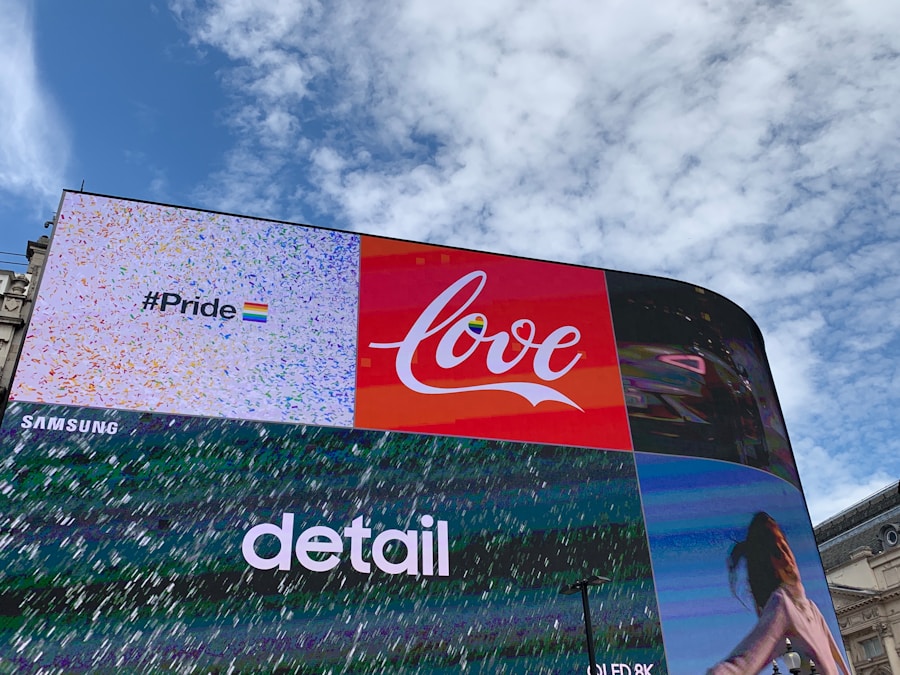
Uncovering the Most Memorable Billboard Campaigns in the UAE

Billboard advertising has been a prominent form of outdoor advertising in the United Arab Emirates (UAE) for many years. With its towering structures and strategic placements in high-traffic areas, billboards have become an effective way for businesses to reach a wide audience and make a lasting impression. The UAE, known for its bustling cities and diverse population, provides a unique landscape for billboard advertising, with opportunities to target both locals and tourists. From the iconic Sheikh Zayed Road in Dubai to the vibrant streets of Abu Dhabi, billboards have become an integral part of the urban landscape, showcasing a wide range of products, services, and messages. As the UAE continues to grow and develop, the role of billboard advertising in shaping consumer behavior and brand perception has become increasingly significant.

Billboard advertising in the UAE has evolved over the years, with advancements in technology and design leading to more creative and impactful campaigns. From traditional static billboards to dynamic digital displays, advertisers have found innovative ways to capture the attention of passersby and leave a lasting impression. The impact of memorable billboard campaigns has not only influenced consumer behavior but has also contributed to the cultural and social fabric of the UAE. With iconic slogans, eye-catching designs, and strategic placements, billboard advertising has become a powerful tool for brands to connect with their target audience and leave a lasting impression.

The Impact of Memorable Billboard Campaigns

Memorable billboard campaigns have the power to leave a lasting impression on consumers, shaping their perceptions and influencing their purchasing decisions. In the UAE, several iconic billboard campaigns have made a significant impact on the public, becoming ingrained in the cultural and social fabric of the country. From the iconic “Dubai Shopping Festival” billboards that signal the start of the annual shopping extravaganza to the striking “Visit Abu Dhabi” billboards that showcase the beauty and diversity of the emirate, these campaigns have become synonymous with the UAE’s vibrant advertising landscape. The ability of these campaigns to resonate with consumers and evoke a sense of pride and belonging is a testament to the power of billboard advertising in shaping public perception.

One of the most memorable billboard campaigns in the UAE is the “My Dubai” campaign, which features striking visuals of iconic landmarks and attractions in Dubai, accompanied by the slogan “My Dubai. My City. My Home.” This campaign has not only promoted tourism and investment in Dubai but has also instilled a sense of pride and ownership among residents, reinforcing their connection to the city. Another impactful campaign is the “Year of Zayed” billboards, which celebrated the legacy of the founding father of the UAE, Sheikh Zayed bin Sultan Al Nahyan. These billboards featured powerful imagery and quotes from Sheikh Zayed, serving as a reminder of his vision and values, and inspiring unity and patriotism among the people of the UAE. These memorable billboard campaigns have not only left a lasting impression on consumers but have also contributed to the social and cultural relevance of billboard advertising in the UAE.

Creative and Eye-catching Designs

In addition to memorable messaging, creative and eye-catching designs play a crucial role in capturing the attention of passersby and leaving a lasting impression. In the UAE, advertisers have embraced innovative design techniques to create visually stunning billboards that stand out in the urban landscape. From larger-than-life visuals to interactive displays, billboard designs have become a powerful tool for brands to engage with their target audience and convey their message effectively. The use of vibrant colors, bold typography, and striking imagery has become a hallmark of billboard advertising in the UAE, reflecting the dynamic and cosmopolitan nature of the country.

One example of a creative and eye-catching billboard design is the “Coca-Cola Happiness” campaign, which featured interactive billboards that dispensed free cans of Coca-Cola when passersby hugged or danced in front of them. This innovative approach not only captured the attention of consumers but also created a memorable and engaging experience that reinforced Coca-Cola’s brand identity as a source of happiness and joy. Another example is the “Emirates Airline” billboards, which showcased stunning visuals of exotic destinations served by the airline, accompanied by compelling calls to action. These visually captivating designs not only promoted travel and tourism but also reinforced Emirates’ position as a leading global airline. The creative and eye-catching designs of these billboards have not only captured the attention of consumers but have also set new standards for outdoor advertising in the UAE.

Iconic Slogans and Messaging

Iconic slogans and messaging play a crucial role in creating a memorable and impactful billboard campaign. In the UAE, several iconic slogans have become synonymous with brands and destinations, shaping public perception and influencing consumer behavior. From catchy taglines to powerful calls to action, these slogans have become ingrained in the cultural and social fabric of the country, reflecting the diverse and cosmopolitan nature of the UAE. The ability of these slogans to resonate with consumers and evoke an emotional response is a testament to their effectiveness in shaping brand identity and perception.

One iconic slogan that has become synonymous with Dubai is “Dubai: The City of Gold.” This powerful tagline not only reflects Dubai’s status as a global hub for luxury and commerce but also evokes a sense of aspiration and opportunity among consumers. Another iconic slogan is “Abu Dhabi: The Land of Opportunities,” which positions the emirate as a thriving business destination with limitless potential. These slogans have not only promoted tourism and investment but have also contributed to the social and cultural relevance of billboard advertising in the UAE. The ability of these iconic slogans to resonate with consumers and evoke a sense of pride and belonging is a testament to their enduring impact on public perception.

Utilizing Technology in Billboard Advertising

Advancements in technology have revolutionized billboard advertising in the UAE, leading to more dynamic and interactive campaigns that capture the attention of consumers. From traditional static billboards to dynamic digital displays, advertisers have embraced innovative technologies to create engaging and immersive experiences that leave a lasting impression. The use of LED screens, augmented reality, and interactive displays has transformed billboard advertising into a powerful medium for brands to connect with their target audience and convey their message effectively. The ability of technology to create personalized and interactive experiences has not only enhanced consumer engagement but has also set new standards for outdoor advertising in the UAE.

One example of utilizing technology in billboard advertising is the “Nike Run Club” campaign, which featured interactive billboards that displayed real-time running data from participants using Nike’s fitness app. This innovative approach not only engaged consumers but also promoted an active lifestyle and reinforced Nike’s position as a leading sports brand. Another example is the “Audi Virtual Showroom” billboards, which featured augmented reality displays that allowed passersby to explore Audi’s latest models in a virtual showroom setting. This immersive experience not only captured the attention of consumers but also showcased Audi’s commitment to innovation and technology. The utilization of technology in these billboard campaigns has not only created memorable experiences for consumers but has also demonstrated the potential of digital innovation in outdoor advertising.

Effectiveness of Location and Placement

The effectiveness of location and placement plays a crucial role in determining the success of a billboard campaign in the UAE. With its bustling cities and diverse population, the UAE provides a unique landscape for advertisers to reach their target audience through strategic placements in high-traffic areas. From iconic landmarks to major highways, billboards are strategically positioned to maximize visibility and exposure, ensuring that brands can connect with consumers effectively. The ability to reach a wide audience through strategic placements has not only enhanced brand visibility but has also contributed to the cultural and social relevance of billboard advertising in the UAE.

One example of effective location and placement is the “Burj Khalifa” billboards, which are strategically positioned along Sheikh Zayed Road, one of Dubai’s busiest thoroughfares. These billboards not only capture the attention of commuters but also showcase iconic visuals of the world’s tallest building, reinforcing its status as a global landmark. Another example is the “Yas Island” billboards, which are strategically placed near major tourist attractions in Abu Dhabi, such as Ferrari World and Yas Waterworld. These placements not only target tourists but also promote Yas Island as a premier leisure destination in the UAE. The effectiveness of location and placement in these billboard campaigns has not only maximized brand exposure but has also contributed to their impact on consumer behavior.

Social and Cultural Relevance in Billboard Campaigns

Billboard campaigns in the UAE often reflect social and cultural themes that resonate with consumers, shaping public perception and influencing behavior. From promoting national pride to celebrating diversity, these campaigns have become an integral part of the country’s cultural landscape, reflecting its dynamic and cosmopolitan nature. The ability of billboard campaigns to evoke an emotional response and foster a sense of belonging is a testament to their social and cultural relevance in shaping public discourse.

One example of social and cultural relevance in billboard campaigns is the “Year of Tolerance” billboards, which celebrated diversity and inclusivity in the UAE through powerful imagery and messaging. These billboards not only promoted tolerance but also reinforced the country’s commitment to unity and harmony among its diverse population. Another example is the “Dubai Cares” billboards, which showcased compelling visuals of children from around the world, accompanied by calls to action for supporting education initiatives. These campaigns not only raised awareness about global issues but also inspired empathy and compassion among consumers. The social and cultural relevance of these billboard campaigns has not only fostered meaningful conversations but has also contributed to their enduring impact on public perception.

In conclusion, billboard advertising has become an integral part of the urban landscape in the UAE, shaping consumer behavior and brand perception through memorable campaigns that reflect social and cultural themes. From creative designs to iconic slogans, technology utilization to strategic placements, billboard advertising continues to evolve as a powerful medium for brands to connect with their target audience effectively. As the UAE continues to grow and develop, billboard advertising will play an increasingly significant role in shaping public discourse and influencing consumer behavior, reflecting its dynamic and cosmopolitan nature. With its ability to evoke an emotional response and foster a sense of belonging, billboard advertising will continue to be a driving force in shaping public perception in the UAE for years to come.


The Ultimate Guide to Wiping Out Bad Marketing Strategies

In today’s competitive business landscape, it’s crucial for companies to have effective marketing strategies in place to reach and engage with their target audience. However, not all marketing strategies are created equal, and some can actually do more harm than good. One of the most common bad marketing strategies is a lack of understanding of the target audience. When companies fail to research and understand their audience’s needs, preferences, and behaviors, they risk creating marketing campaigns that miss the mark and fail to resonate with their intended audience. Another bad marketing strategy is a lack of consistency across all marketing channels. When companies fail to maintain a consistent brand image and messaging across all platforms, it can lead to confusion and a lack of trust among consumers.

Additionally, using outdated or irrelevant marketing tactics can also be detrimental to a company’s success. For example, bombarding consumers with spam emails or intrusive pop-up ads can be off-putting and may even drive potential customers away. Finally, a lack of creativity and innovation in marketing strategies can also be a major pitfall for companies. When marketing campaigns lack originality and fail to stand out from the competition, they are unlikely to capture the attention of consumers and make a lasting impression.

Understanding the Impact of Bad Marketing Strategies

The impact of bad marketing strategies can be significant and far-reaching for businesses. One of the most immediate consequences of ineffective marketing is a lack of customer engagement and conversion. When marketing campaigns fail to resonate with the target audience, they are unlikely to generate leads or drive sales, ultimately impacting the company’s bottom line. In addition, bad marketing strategies can also damage a company’s reputation and brand image. For example, if a company engages in spammy or intrusive marketing tactics, it can lead to negative associations with the brand and erode consumer trust.

Furthermore, ineffective marketing strategies can also result in wasted resources and missed opportunities. When companies invest time and money into marketing campaigns that fail to deliver results, it can be a significant setback for the business. Additionally, bad marketing strategies can also hinder a company’s ability to stay competitive in the market. In today’s fast-paced digital landscape, companies need to constantly innovate and adapt their marketing strategies to keep up with changing consumer trends and preferences. Failing to do so can result in falling behind the competition and losing market share.

Implementing Effective Marketing Strategies

To avoid the pitfalls of bad marketing strategies, companies must focus on implementing effective and impactful marketing strategies. One key aspect of effective marketing is understanding the target audience. This involves conducting thorough market research to gain insights into consumer behavior, preferences, and pain points. By understanding the needs and desires of their target audience, companies can tailor their marketing messages and campaigns to resonate with consumers on a deeper level.

Consistency is also crucial in effective marketing strategies. Companies should strive to maintain a consistent brand image and messaging across all marketing channels, including social media, email marketing, and advertising. This helps to build brand recognition and trust among consumers, ultimately leading to stronger customer loyalty and engagement. Additionally, companies should prioritize creativity and innovation in their marketing efforts. By thinking outside the box and coming up with unique and compelling campaigns, companies can capture the attention of consumers and differentiate themselves from the competition.

Utilizing Data and Analytics to Improve Marketing Efforts

In today’s digital age, data and analytics play a crucial role in improving marketing efforts. By leveraging data from various sources such as website traffic, social media engagement, and customer demographics, companies can gain valuable insights into consumer behavior and preferences. This data can then be used to inform marketing strategies and make data-driven decisions that are more likely to resonate with the target audience.

One way that companies can utilize data and analytics is through A/B testing. By testing different variations of marketing campaigns and analyzing the results, companies can gain valuable insights into what resonates with their audience and what doesn’t. This allows for continuous optimization and improvement of marketing efforts based on real-time data.

Furthermore, data and analytics can also be used to personalize marketing messages and campaigns. By segmenting their audience based on demographics, behavior, or preferences, companies can deliver more targeted and relevant content to consumers. This personalized approach can lead to higher engagement and conversion rates, as consumers are more likely to respond positively to messages that are tailored to their specific needs and interests.

Creating Engaging and Relevant Content

One of the most effective ways to capture the attention of consumers and drive engagement is through creating engaging and relevant content. Content marketing has become an essential component of modern marketing strategies, as it allows companies to provide value to their audience while also promoting their products or services. However, creating high-quality content that resonates with consumers requires careful planning and execution.

First and foremost, companies should focus on understanding the needs and interests of their target audience. By conducting thorough research and gathering insights into what matters most to their consumers, companies can create content that addresses their pain points and provides solutions. Additionally, companies should strive to create diverse types of content that cater to different preferences and consumption habits. This may include blog posts, videos, infographics, podcasts, or interactive quizzes.

Furthermore, creating engaging content also involves storytelling and emotional connection. By crafting compelling narratives that resonate with consumers on a personal level, companies can create a lasting impression and build stronger connections with their audience. Additionally, incorporating visual elements such as images and videos can also enhance the impact of content and make it more engaging for consumers.

Leveraging Social Media and Digital Marketing

In today’s digital age, social media and digital marketing have become essential tools for reaching and engaging with consumers. With billions of active users on platforms such as Facebook, Instagram, Twitter, LinkedIn, and TikTok, social media offers unparalleled opportunities for companies to connect with their target audience. However, leveraging social media effectively requires a strategic approach that aligns with the company’s overall marketing objectives.

One key aspect of leveraging social media is understanding the unique dynamics of each platform. Different social media platforms cater to different demographics and user behaviors, so it’s important for companies to tailor their content and messaging accordingly. For example, visual platforms like Instagram may be more suitable for showcasing products through high-quality images, while LinkedIn may be better suited for sharing thought leadership content within a professional context.

In addition to organic content, companies can also leverage paid advertising on social media to reach a wider audience and drive specific business objectives such as lead generation or website traffic. By targeting specific demographics or interests, companies can ensure that their ads are reaching the right audience at the right time. Furthermore, social media also provides valuable opportunities for engaging with consumers through two-way communication. By responding to comments, messages, and mentions in a timely manner, companies can build stronger relationships with their audience and foster brand loyalty.

Measuring and Evaluating Marketing Success

Finally, measuring and evaluating the success of marketing efforts is crucial for continuous improvement and optimization. By tracking key performance indicators (KPIs) such as website traffic, conversion rates, social media engagement, email open rates, and customer acquisition costs, companies can gain valuable insights into the effectiveness of their marketing strategies.

One common tool for measuring marketing success is Google Analytics, which provides detailed insights into website traffic, user behavior, and conversion rates. By analyzing this data, companies can identify areas for improvement and make data-driven decisions about where to allocate resources for maximum impact.

Furthermore, companies should also seek feedback from customers through surveys or reviews to gauge satisfaction with their products or services as well as their overall experience with the brand. This qualitative data can provide valuable insights into areas for improvement or potential opportunities for growth.

In conclusion, effective marketing strategies are essential for businesses to reach and engage with their target audience in today’s competitive landscape. By avoiding bad marketing strategies such as a lack of understanding of the target audience or outdated tactics, companies can mitigate potential negative impacts on their reputation and bottom line. Instead, by implementing effective strategies that prioritize understanding the target audience, leveraging data and analytics, creating engaging content, leveraging social media effectively, and measuring success through KPIs and customer feedback, businesses can position themselves for long-term success in the market.

Reclaiming Your Online Presence: Tips for Repairing Image Reputation

In today’s digital age, your online presence can have a significant impact on your personal and professional life. Whether you are a business owner, a job seeker, or simply an individual looking to maintain a positive reputation, the way you are perceived online can greatly influence your success. Potential employers, clients, and even personal connections often turn to the internet to learn more about you, and what they find can shape their opinions and decisions. Your online presence can affect your credibility, trustworthiness, and overall image, so it is crucial to understand the impact it can have.

Your online presence is essentially your digital footprint, consisting of everything from social media profiles and personal websites to news articles and online reviews. It is important to recognize that this information is readily accessible to anyone with an internet connection, and it can shape the way others perceive you. Whether it’s a positive or negative impression, your online presence can influence opportunities and relationships in both your personal and professional life. Understanding the impact of your online presence is the first step in managing and improving your image reputation.

Assessing Your Current Image Reputation

Before you can begin to repair or enhance your image reputation, it is essential to assess your current online presence. Start by conducting a thorough search of your name on popular search engines and social media platforms. Take note of what comes up in the search results, including any positive or negative content related to you. Pay attention to the first few pages of search results, as these are typically the most visible to others. Additionally, consider setting up Google Alerts for your name so that you can stay informed about any new mentions or content related to you.

Once you have a clear understanding of what information is available about you online, take the time to evaluate the overall sentiment and tone of the content. Are there any negative reviews, comments, or articles that could potentially harm your reputation? Are there any outdated or irrelevant profiles that need to be updated or removed? Assessing your current image reputation will help you identify areas that need improvement and provide a foundation for developing a strategy to repair and enhance your online presence.

Strategies for Repairing Your Image Reputation

If you have identified negative or damaging content associated with your online presence, it is important to take proactive steps to repair your image reputation. Start by addressing any specific issues head-on, whether it’s responding to negative reviews or reaching out to websites to request the removal of inaccurate information. In some cases, it may be necessary to work with a professional reputation management service to help mitigate the impact of negative content and restore your image reputation.

Another effective strategy for repairing your image reputation is to create and promote positive content that accurately reflects who you are and what you stand for. This can include updating and optimizing your social media profiles, creating a personal website or blog, and actively engaging in online communities and discussions related to your industry or interests. By consistently sharing valuable and authentic content, you can help push down negative search results and showcase your true character and expertise.

Building a Positive Online Presence

In addition to repairing any existing damage to your image reputation, it is important to focus on building a positive online presence that accurately reflects your personal and professional brand. Start by creating a strong and consistent personal brand across all of your online platforms, including social media profiles, professional networking sites, and personal websites. This can include using a professional headshot, writing a compelling bio, and sharing content that aligns with your values and expertise.

Another key aspect of building a positive online presence is maintaining an active and engaged presence on social media. This can involve sharing relevant industry news, participating in discussions, and showcasing your accomplishments and expertise. By consistently contributing valuable content and engaging with others in a positive and professional manner, you can establish yourself as a credible and respected figure within your industry or community.

Leveraging Social Media to Showcase Your Professionalism

Social media has become an essential tool for professionals looking to showcase their expertise and professionalism. Platforms like LinkedIn, Twitter, and Instagram provide opportunities to connect with industry peers, share valuable insights, and build a strong personal brand. When leveraging social media to showcase your professionalism, it is important to maintain a consistent and authentic voice that aligns with your personal brand.

One effective strategy for leveraging social media is to actively participate in relevant industry discussions and share valuable insights and resources with your network. This can help position you as a thought leader within your field and attract opportunities for collaboration and networking. Additionally, consider using social media to highlight your professional accomplishments, such as speaking engagements, awards, or published articles. By showcasing your expertise and achievements, you can further establish yourself as a credible and respected professional within your industry.

Seeking Professional Help for Image Reputation Management

Managing and repairing your image reputation can be a complex and time-consuming process, especially if you are dealing with significant negative content or online attacks. In such cases, seeking professional help from a reputation management service may be the most effective solution. These professionals have the expertise and resources to help mitigate the impact of negative content, develop a comprehensive strategy for repairing your image reputation, and monitor your online presence to ensure ongoing success.

When choosing a reputation management service, it is important to look for a provider with a proven track record of success in helping individuals and businesses improve their online image reputation. Look for services that offer personalized strategies tailored to your specific needs and goals, as well as transparent reporting on the progress of their efforts. By working with experienced professionals in image reputation management, you can gain peace of mind knowing that your online presence is in good hands.

Maintaining a Positive Online Presence for the Future

Once you have taken steps to repair and enhance your image reputation, it is important to maintain a positive online presence for the future. This involves consistently monitoring your online presence for any new mentions or content related to you, as well as actively engaging in positive interactions on social media and other online platforms. By staying proactive in managing your online presence, you can ensure that any potential issues are addressed promptly and effectively.

Additionally, consider regularly updating and optimizing your social media profiles and personal website to reflect any new accomplishments or changes in your professional journey. This can include adding new certifications or awards, updating your bio with recent achievements, and sharing relevant content that showcases your ongoing expertise and growth. By maintaining an active and positive online presence, you can continue to build credibility and trust with others while positioning yourself for future success in both your personal and professional endeavors.

In conclusion, understanding the impact of your online presence is crucial for managing and enhancing your image reputation. By assessing your current online presence, developing strategies for repairing any damage, building a positive online presence, leveraging social media to showcase professionalism, seeking professional help when needed, and maintaining a positive online presence for the future, you can effectively manage your image reputation and position yourself for success in both your personal and professional life. With proactive efforts and a focus on authenticity and professionalism, you can shape a positive digital footprint that accurately reflects who you are while attracting opportunities for growth and advancement.

The Rise of Billboard Advertising in Dubai: A Look at the City’s Most Eye-Catching Ads

Billboard advertising has been a prominent feature of the marketing landscape in Dubai for many years. With its towering skyscrapers and bustling streets, Dubai provides the perfect canvas for larger-than-life advertisements that capture the attention of both residents and tourists. The city’s strategic location as a global business and tourism hub has made it a prime destination for companies looking to showcase their products and services to a diverse and affluent audience. From the iconic Sheikh Zayed Road to the bustling Dubai Marina, billboards are a ubiquitous presence in the city, serving as a powerful tool for brands to make a lasting impression on consumers.

In recent years, the rise of digital technology has transformed the landscape of billboard advertising in Dubai. With the introduction of digital billboards, advertisers now have the ability to display dynamic and interactive content that can engage audiences in new and innovative ways. This shift towards digital has opened up a world of possibilities for brands, allowing them to create more personalized and targeted campaigns that can adapt to the ever-changing consumer landscape. As Dubai continues to embrace technological advancements, the future of billboard advertising in the city looks brighter than ever.

The Impact of Digital Technology on Billboard Advertising

The impact of digital technology on billboard advertising in Dubai cannot be overstated. With the introduction of digital billboards, advertisers now have the ability to display dynamic and interactive content that can engage audiences in new and innovative ways. These digital displays offer a level of flexibility and creativity that traditional static billboards simply cannot match. From high-definition video content to real-time social media integration, digital billboards have revolutionized the way brands communicate with their target audience.

Furthermore, digital billboards have also opened up new opportunities for targeted advertising in Dubai. With the ability to change content on the fly, advertisers can now tailor their messages to specific demographics, times of day, or even weather conditions. This level of customization allows brands to create more relevant and impactful campaigns that resonate with consumers on a deeper level. As a result, digital technology has not only enhanced the visual appeal of billboard advertising in Dubai but has also made it a more effective and efficient marketing tool for brands looking to make a lasting impression.

The Most Iconic Billboard Ads in Dubai

Dubai is home to some of the most iconic and memorable billboard ads in the world. From larger-than-life luxury brand campaigns to innovative and thought-provoking public service announcements, the city’s billboards have played host to a wide range of impactful advertisements over the years. One such example is the iconic “Hello Tomorrow” campaign by Emirates Airlines, which featured striking visuals and compelling messaging that captured the imagination of travelers from around the world. Another standout campaign is the “Dubai Shopping Festival” billboards, which have become synonymous with the city’s annual retail extravaganza and have helped establish Dubai as a global shopping destination.

In addition to these high-profile campaigns, Dubai’s billboards have also been home to a number of innovative and creative advertisements that have pushed the boundaries of traditional marketing. From interactive digital displays that respond to passersby to clever optical illusions that play with perspective, these ads have demonstrated the power of creativity in capturing attention and leaving a lasting impression on consumers. As Dubai continues to evolve as a global marketing hub, it is clear that the city’s billboards will continue to be a platform for some of the most iconic and impactful advertisements in the world.

The Role of Creativity in Capturing Attention on Billboards

Creativity plays a crucial role in capturing attention on billboards in Dubai. With so much competition for consumers’ attention, brands must find innovative and compelling ways to stand out from the crowd and make a lasting impression. This is where creativity comes into play, as it allows advertisers to create visually stunning and emotionally resonant campaigns that can cut through the noise and leave a lasting impact on consumers.

One example of this is the “Burj Khalifa Projection” campaign by Samsung, which saw the tech giant project stunning visuals onto the world’s tallest building, creating a spectacle that captured the attention of millions around the world. This campaign not only showcased Samsung’s cutting-edge technology but also demonstrated the power of creativity in creating memorable and impactful advertisements. Similarly, brands such as Coca-Cola and Nike have also leveraged creativity to create visually striking billboards that have become iconic symbols of their respective brands.

In today’s fast-paced and visually saturated world, creativity is more important than ever in capturing attention on billboards in Dubai. Brands that are able to think outside the box and create campaigns that are visually stunning, emotionally resonant, and culturally relevant will be best positioned to make a lasting impression on consumers and drive meaningful engagement with their target audience.

The Evolution of Targeted Advertising on Billboards in Dubai

The evolution of targeted advertising on billboards in Dubai has been driven by advancements in digital technology and data analytics. With the ability to collect and analyze vast amounts of consumer data, advertisers now have the ability to create more personalized and targeted campaigns that can resonate with specific demographics and consumer segments. This shift towards targeted advertising has allowed brands to create more relevant and impactful campaigns that can cut through the noise and capture the attention of consumers in a crowded marketplace.

One example of this is the use of geotargeting technology, which allows advertisers to deliver tailored messages to consumers based on their location. This has enabled brands to create hyper-localized campaigns that speak directly to consumers in specific neighborhoods or areas of interest. In addition, advancements in facial recognition technology have also opened up new possibilities for targeted advertising on billboards in Dubai, allowing advertisers to deliver personalized messages based on factors such as age, gender, and even emotional state.

As consumer behavior continues to evolve, targeted advertising will play an increasingly important role in the future of billboard advertising in Dubai. Brands that are able to leverage data-driven insights and advanced targeting capabilities will be best positioned to create campaigns that resonate with consumers on a deeper level and drive meaningful engagement with their target audience.

The Future of Billboard Advertising in Dubai

The future of billboard advertising in Dubai looks bright, with continued advancements in digital technology and data analytics set to transform the landscape of outdoor advertising in the city. As digital billboards become more prevalent, advertisers will have even greater flexibility and creativity at their disposal, allowing them to create more dynamic and engaging campaigns that can capture the attention of consumers in new and innovative ways. Furthermore, advancements in targeted advertising capabilities will enable brands to create more personalized and relevant campaigns that can resonate with specific demographics and consumer segments.

In addition to these technological advancements, the future of billboard advertising in Dubai will also be shaped by changing consumer behaviors and expectations. As consumers continue to demand more personalized and relevant experiences from brands, advertisers will need to find new ways to create campaigns that speak directly to their target audience. This will require a greater emphasis on creativity and innovation, as brands look for new ways to stand out from the crowd and make a lasting impression on consumers.

Overall, the future of billboard advertising in Dubai looks promising, with continued advancements in technology and a greater emphasis on creativity set to transform outdoor advertising in the city. As brands continue to embrace these changes and adapt their strategies accordingly, billboard advertising will remain a powerful tool for reaching consumers and making a lasting impression in an increasingly competitive marketplace.

The Power of Billboard Advertising in Dubai’s Marketing Landscape

In conclusion, billboard advertising plays a crucial role in Dubai’s marketing landscape, providing brands with a powerful platform for reaching consumers and making a lasting impression. The impact of digital technology has transformed outdoor advertising in the city, allowing advertisers to create more dynamic and engaging campaigns that can capture the attention of consumers in new and innovative ways. Furthermore, advancements in targeted advertising capabilities have enabled brands to create more personalized and relevant campaigns that can resonate with specific demographics and consumer segments.

As we look towards the future, it is clear that billboard advertising will continue to play an important role in Dubai’s marketing landscape. With continued advancements in technology and a greater emphasis on creativity, outdoor advertising will remain a powerful tool for brands looking to make a lasting impression on consumers and drive meaningful engagement with their target audience. As consumer behaviors continue to evolve, advertisers will need to find new ways to create campaigns that speak directly to their target audience, requiring a greater emphasis on creativity and innovation.

Overall, billboard advertising will continue to be a prominent feature of Dubai’s marketing landscape, providing brands with an effective platform for reaching consumers and making a lasting impression in an increasingly competitive marketplace. As brands continue to embrace these changes and adapt their strategies accordingly, billboard advertising will remain a powerful tool for reaching consumers and making a lasting impression in an increasingly competitive marketplace.

5 Creative Ways to Utilize Digital Billboards for Your Business in Dubai

Engaging interactive content is a crucial component of any successful advertising campaign. By creating content that encourages user interaction, advertisers can capture the attention of their target audience and increase brand awareness. This can be achieved through various means, such as interactive quizzes, polls, games, and videos. These types of content not only grab the user’s attention but also provide a more immersive and memorable experience, leading to higher engagement and conversion rates.

Furthermore, interactive content allows advertisers to gather valuable data about their audience’s preferences and behaviors. By analyzing the results of quizzes and polls, advertisers can gain insights into what resonates with their target audience, allowing them to tailor future campaigns to better meet their needs. Additionally, interactive content can also be used to drive user-generated content, such as encouraging users to share their experiences with a brand or product. This not only increases engagement but also provides valuable social proof for the brand.

In conclusion, engaging interactive content is a powerful tool for advertisers to capture the attention of their target audience and drive meaningful engagement. By creating content that encourages user interaction and provides a more immersive experience, advertisers can increase brand awareness and gather valuable insights about their audience’s preferences and behaviors.

Targeted Audience Messaging

Targeted audience messaging is essential for any successful advertising campaign. By tailoring messaging to specific demographics, interests, and behaviors, advertisers can ensure that their content resonates with their target audience and drives meaningful engagement. This can be achieved through various means, such as personalized emails, targeted social media ads, and custom landing pages.

Furthermore, targeted audience messaging allows advertisers to deliver more relevant and timely content to their audience, increasing the likelihood of conversion. By leveraging data about their audience’s preferences and behaviors, advertisers can create messaging that speaks directly to their needs and desires, leading to higher engagement and conversion rates. Additionally, targeted messaging can also be used to nurture leads through the sales funnel, providing the right content at the right time to guide them towards a purchase decision.

In conclusion, targeted audience messaging is a critical component of any successful advertising campaign. By tailoring messaging to specific demographics, interests, and behaviors, advertisers can ensure that their content resonates with their target audience and drives meaningful engagement. This not only increases brand awareness but also leads to higher conversion rates and a more loyal customer base.

Real-Time Data Integration

Real-time data integration is a game-changer for advertisers looking to create more personalized and effective campaigns. By leveraging real-time data about their audience’s behaviors and preferences, advertisers can deliver more relevant and timely content, increasing the likelihood of engagement and conversion. This can be achieved through various means, such as tracking website interactions, social media engagement, and email opens and clicks.

Furthermore, real-time data integration allows advertisers to optimize their campaigns on the fly, making adjustments based on real-time insights to improve performance. By analyzing real-time data, advertisers can identify trends and patterns in their audience’s behavior, allowing them to make informed decisions about their campaign strategy. Additionally, real-time data integration can also be used to create dynamic content that adapts to the user’s actions in real-time, providing a more personalized and immersive experience.

In conclusion, real-time data integration is a powerful tool for advertisers looking to create more personalized and effective campaigns. By leveraging real-time data about their audience’s behaviors and preferences, advertisers can deliver more relevant and timely content, increasing the likelihood of engagement and conversion. This not only leads to higher performance but also allows advertisers to make informed decisions about their campaign strategy based on real-time insights.

Location-Based Advertising

Location-based advertising is a highly effective strategy for reaching consumers in specific geographic areas. By targeting ads based on a user’s location, advertisers can deliver more relevant and timely content, increasing the likelihood of engagement and conversion. This can be achieved through various means, such as geotargeted social media ads, location-based push notifications, and proximity marketing.

Furthermore, location-based advertising allows advertisers to create hyper-localized campaigns that speak directly to the needs and desires of consumers in specific geographic areas. By leveraging data about a user’s location, advertisers can deliver content that is tailored to local events, weather conditions, or cultural nuances, providing a more personalized and immersive experience. Additionally, location-based advertising can also be used to drive foot traffic to physical locations through targeted promotions and offers.

In conclusion, location-based advertising is a highly effective strategy for reaching consumers in specific geographic areas. By targeting ads based on a user’s location, advertisers can deliver more relevant and timely content, increasing the likelihood of engagement and conversion. This not only leads to higher performance but also allows advertisers to create hyper-localized campaigns that speak directly to the needs and desires of consumers in specific geographic areas.

Integration with Social Media

Integration with social media is essential for any successful advertising campaign in today’s digital landscape. By leveraging social media platforms as part of their advertising strategy, advertisers can reach a wider audience and drive meaningful engagement with their brand. This can be achieved through various means, such as sponsored posts, influencer partnerships, and social media contests.

Furthermore, integration with social media allows advertisers to tap into the power of social proof and word-of-mouth marketing. By leveraging user-generated content and social endorsements, advertisers can build trust and credibility with their audience, leading to higher engagement and conversion rates. Additionally, integration with social media can also be used to gather valuable insights about their audience’s preferences and behaviors through social listening and analytics.

In conclusion, integration with social media is essential for any successful advertising campaign in today’s digital landscape. By leveraging social media platforms as part of their advertising strategy, advertisers can reach a wider audience and drive meaningful engagement with their brand. This not only increases brand awareness but also leads to higher conversion rates and a more loyal customer base.

Dynamic Ad Campaigns

Dynamic ad campaigns are a powerful tool for advertisers looking to create more personalized and effective campaigns. By leveraging dynamic content that adapts to the user’s actions in real-time, advertisers can deliver more relevant and timely content, increasing the likelihood of engagement and conversion. This can be achieved through various means, such as dynamic retargeting ads, personalized product recommendations, and weather-triggered promotions.

Furthermore, dynamic ad campaigns allow advertisers to create a more immersive and personalized experience for their audience. By delivering content that adapts to the user’s actions or external factors such as weather conditions or time of day, advertisers can provide a more tailored experience that speaks directly to the needs and desires of their audience. Additionally, dynamic ad campaigns can also be used to optimize performance by making adjustments based on real-time insights about the user’s behavior.

In conclusion, dynamic ad campaigns are a powerful tool for advertisers looking to create more personalized and effective campaigns. By leveraging dynamic content that adapts to the user’s actions in real-time, advertisers can deliver more relevant and timely content, increasing the likelihood of engagement and conversion. This not only leads to higher performance but also provides a more immersive and personalized experience for the audience.

Collaborative Advertising Opportunities

Collaborative advertising opportunities are a valuable strategy for advertisers looking to expand their reach and leverage the power of partnerships. By collaborating with other brands or organizations, advertisers can tap into new audiences and drive meaningful engagement with their brand. This can be achieved through various means, such as co-branded campaigns, cross-promotions, and joint events or sponsorships.

Furthermore, collaborative advertising opportunities allow advertisers to benefit from shared resources and expertise, leading to more impactful campaigns. By pooling resources with other brands or organizations, advertisers can create larger-scale campaigns that reach a wider audience and drive higher engagement. Additionally, collaborative advertising opportunities can also be used to create more compelling content by leveraging the unique strengths and perspectives of each partner.

In conclusion, collaborative advertising opportunities are a valuable strategy for advertisers looking to expand their reach and leverage the power of partnerships. By collaborating with other brands or organizations, advertisers can tap into new audiences and drive meaningful engagement with their brand. This not only increases brand awareness but also leads to higher performance by benefiting from shared resources and expertise.

5 Proven Strategies to Protect Your Reputation on Digital Billboards

Digital billboards have become a popular and effective way for businesses to reach their target audience and promote their products or services. However, it’s important to understand the impact that digital billboards can have on your reputation. These billboards are highly visible and can reach a large number of people, so it’s crucial to ensure that the content displayed is appropriate and aligns with your brand’s values. Inappropriate or offensive content can quickly damage your reputation and alienate potential customers. On the other hand, well-crafted and engaging content can enhance your reputation and attract new customers. It’s essential to carefully consider the message and imagery used in your digital billboard campaigns to ensure that they positively reflect your brand and resonate with your target audience.

Furthermore, digital billboards have the potential to reach a wide range of demographics, so it’s important to consider how different groups may perceive your content. What may be appealing to one demographic could be off-putting to another, so it’s crucial to create content that is inclusive and respectful. Additionally, digital billboards are often located in high-traffic areas, which means that a large number of people will see them on a daily basis. This makes it even more important to ensure that the content displayed is consistent with your brand’s values and messaging. By understanding the impact of digital billboards on your reputation, you can make informed decisions about the content you display and proactively manage your brand’s image.

Creating Engaging and Relevant Content for Digital Billboards

When it comes to creating content for digital billboards, it’s essential to focus on engaging and relevant messaging that will capture the attention of your target audience. With the limited time that viewers have to absorb the information on a digital billboard, it’s crucial to create content that is visually appealing and easy to understand at a glance. This means using bold imagery, clear messaging, and minimal text to convey your brand’s message effectively. Additionally, the content should be relevant to the location of the billboard and the demographics of the audience that will see it. Tailoring your content to the specific audience and location will help ensure that it resonates with viewers and drives engagement.

In addition to being visually appealing and relevant, the content displayed on digital billboards should also be compelling and memorable. This can be achieved through creative storytelling, humor, or emotional appeal. By creating content that evokes a strong reaction or connection with viewers, you can leave a lasting impression and increase the likelihood of them taking action as a result of seeing your billboard. It’s also important to consider the timing of your content and how it aligns with current events or trends. By staying relevant and timely, you can increase the impact of your digital billboard campaigns and keep your brand top-of-mind for consumers.

Monitoring and Responding to Feedback and Reviews

In today’s digital age, it’s essential for businesses to actively monitor and respond to feedback and reviews related to their digital billboard campaigns. Whether it’s through social media, review websites, or direct customer feedback, it’s important to listen to what people are saying about your brand and its advertising efforts. Positive feedback can be leveraged to enhance your reputation and build trust with potential customers, while negative feedback presents an opportunity to address concerns and improve your brand’s image. By actively monitoring feedback and reviews, you can gain valuable insights into how your digital billboard campaigns are being received and make informed decisions about future content and messaging.

When responding to feedback and reviews, it’s important to do so in a timely and professional manner. Acknowledge both positive and negative feedback, and take the time to address any concerns or questions that are raised. This demonstrates that you value customer input and are committed to providing a positive experience for your audience. Additionally, responding to feedback publicly can show other potential customers that you are proactive in addressing issues and are dedicated to maintaining a positive reputation. By actively engaging with feedback and reviews related to your digital billboard campaigns, you can build stronger relationships with your audience and enhance your brand’s image.

Leveraging Social Media to Enhance Your Reputation

Social media has become an integral part of modern marketing strategies, and it can be a powerful tool for enhancing your reputation in relation to digital billboard campaigns. By leveraging social media platforms such as Facebook, Instagram, Twitter, and LinkedIn, you can extend the reach of your digital billboard content and engage with your audience on a more personal level. Sharing images or videos of your digital billboards on social media can help increase visibility and generate excitement around your campaigns. Additionally, social media provides a platform for two-way communication with your audience, allowing you to respond to comments, answer questions, and address any concerns related to your digital billboard content.

Furthermore, social media can be used to showcase the positive impact of your digital billboard campaigns on the community or highlight any charitable initiatives that are tied to your advertising efforts. By sharing these stories on social media, you can demonstrate your brand’s commitment to making a positive impact and build goodwill with your audience. Social media also provides an opportunity to share user-generated content related to your digital billboards, such as photos or videos taken by customers who have interacted with your campaigns. This not only increases engagement but also serves as social proof of the effectiveness of your advertising efforts. By leveraging social media effectively, you can enhance your reputation in relation to your digital billboard campaigns and build stronger connections with your audience.

Partnering with Influencers and Brand Ambassadors

Influencer marketing has become a popular strategy for businesses looking to expand their reach and enhance their reputation, and it can be particularly effective in relation to digital billboard campaigns. By partnering with influencers or brand ambassadors who align with your brand’s values and target audience, you can leverage their existing following to increase visibility for your digital billboard content. Influencers can create engaging content featuring your digital billboards and share it with their followers, providing an opportunity for increased exposure and engagement. Additionally, influencers can provide authentic endorsements of your brand and its advertising efforts, which can help build trust with their audience and enhance your reputation.

When selecting influencers or brand ambassadors to partner with for your digital billboard campaigns, it’s important to consider their relevance to your target audience and their ability to authentically represent your brand. Look for influencers who have a genuine connection with their followers and a track record of creating high-quality content that resonates with their audience. It’s also important to establish clear expectations and guidelines for the partnership to ensure that the content created aligns with your brand’s values and messaging. By partnering with influencers who are aligned with your brand, you can enhance the impact of your digital billboard campaigns and build credibility with a wider audience.

Utilizing Data and Analytics to Optimize Your Digital Billboard Strategy

Data and analytics play a crucial role in optimizing digital billboard campaigns and enhancing their impact on your reputation. By leveraging data related to viewer demographics, engagement metrics, and conversion rates, you can gain valuable insights into how your digital billboard content is performing and make informed decisions about future campaigns. Analyzing data can help you understand which types of content resonate most with your audience, which locations are most effective for reaching your target demographic, and which times of day or days of the week generate the highest engagement. This information can be used to refine your content strategy and ensure that future campaigns are more effective in reaching and resonating with your audience.

Furthermore, data and analytics can help you measure the impact of your digital billboard campaigns on key performance indicators such as brand awareness, website traffic, or sales conversions. By tracking these metrics over time, you can assess the effectiveness of your advertising efforts and make adjustments as needed to optimize performance. Additionally, data can provide insights into audience behavior and preferences, allowing you to tailor future content to better meet their needs and interests. By utilizing data and analytics effectively, you can optimize your digital billboard strategy to enhance its impact on your reputation and drive meaningful results for your business.

Implementing Crisis Management Plans for Digital Billboard Mishaps

Despite careful planning and execution, mishaps related to digital billboard campaigns can still occur, potentially impacting your brand’s reputation. It’s essential for businesses to have crisis management plans in place to address any unforeseen issues related to their digital billboards quickly and effectively. This includes having clear protocols for responding to technical malfunctions, inappropriate content being displayed, or negative public reactions to campaign messaging. By having a plan in place ahead of time, you can minimize the impact of these mishaps on your reputation and demonstrate that you are proactive in addressing concerns.

When implementing crisis management plans for digital billboard mishaps, it’s important to act swiftly while also being transparent and empathetic in communication with the public. Addressing any issues openly and honestly can help mitigate potential damage to your brand’s reputation while also showing accountability for any mistakes that may have occurred. Additionally, having a designated spokesperson or team responsible for managing crisis situations related to digital billboards can ensure that responses are consistent across all communication channels. By being prepared for potential mishaps related to digital billboard campaigns, businesses can protect their reputation and maintain trust with their audience even in challenging situations.

In conclusion, understanding the impact of digital billboards on your reputation is crucial for creating engaging and relevant content that resonates with your audience while also monitoring feedback and reviews related to these campaigns. Leveraging social media effectively can enhance the reach of digital billboard content while partnering with influencers or brand ambassadors can further amplify its impact. Utilizing data and analytics is essential for optimizing digital billboard strategy while implementing crisis management plans is crucial for addressing any unforeseen mishaps effectively. By taking these factors into consideration, businesses can maximize the impact of their digital billboard campaigns on their reputation while building stronger connections with their audience.