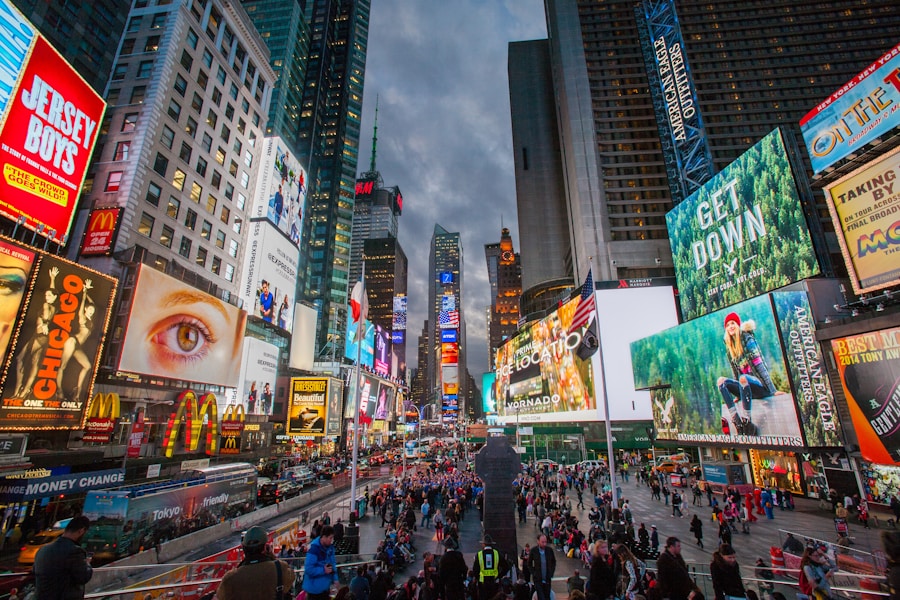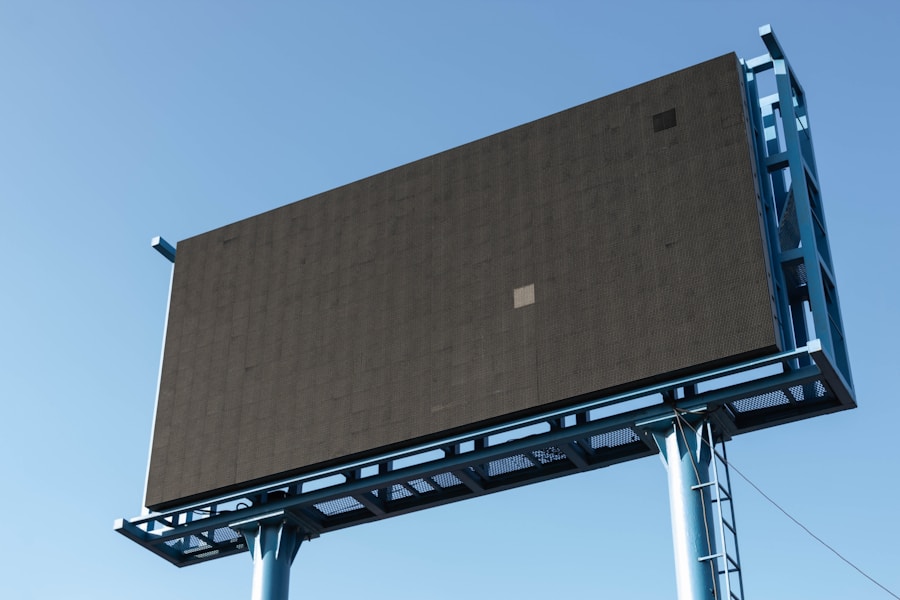
Digital billboards have been on the rise in Europe in recent years, with more and more companies and advertisers turning to this modern form of outdoor advertising. Traditional static billboards are being replaced by dynamic, eye-catching digital displays that offer a range of benefits for advertisers. The use of digital billboards allows for greater flexibility and creativity in advertising campaigns, as content can be easily updated and changed to suit different times of day or specific events. This has led to an increase in the use of digital billboards across Europe, as advertisers seek to take advantage of the opportunities offered by this innovative form of outdoor advertising.
In addition to their flexibility, digital billboards also offer the potential for greater reach and impact. With their bright, high-resolution displays, digital billboards are able to capture the attention of passersby and deliver messages with greater clarity and impact than traditional static billboards. This has made them an attractive option for advertisers looking to make a big impression and reach a wide audience. As a result, the use of digital billboards has been steadily increasing across Europe, with more and more companies recognizing the potential of this modern form of outdoor advertising.
Targeting the Right Audience with Digital Billboards
One of the key advantages of digital billboards is their ability to target specific audiences with tailored messages. Unlike traditional static billboards, digital displays can be programmed to show different content at different times of day, allowing advertisers to reach specific demographics at the most relevant times. For example, a retailer may choose to display ads for their lunchtime specials during the morning rush hour, when people are thinking about where to eat later in the day. This level of targeting is not possible with traditional billboards, making digital displays a valuable tool for advertisers looking to reach specific audiences with their messages.
In addition to time-based targeting, digital billboards also offer the potential for location-based targeting. With the use of GPS technology, advertisers can program their digital displays to show different content based on the location of the billboard. This allows for highly targeted advertising campaigns that can reach specific audiences in different areas, making digital billboards a powerful tool for reaching the right people with the right messages. As a result, advertisers across Europe are increasingly turning to digital billboards as a way to maximize the impact of their outdoor advertising campaigns.
The Impact of Digital Billboards on Consumer Behavior
The rise of digital billboards in Europe has had a significant impact on consumer behavior, with studies showing that digital displays are more effective at capturing attention and influencing purchasing decisions than traditional static billboards. The dynamic nature of digital displays makes them more engaging and memorable, leading to increased brand awareness and recall among consumers. This has made digital billboards an attractive option for advertisers looking to make a lasting impression on their target audience.
In addition to their impact on brand awareness, digital billboards have also been shown to influence consumer behavior in more direct ways. Research has found that digital displays are more effective at driving foot traffic to stores and prompting immediate action from consumers. This is due to their ability to deliver timely and relevant messages that resonate with viewers, leading to increased interest and engagement with advertised products or services. As a result, advertisers are increasingly turning to digital billboards as a way to drive sales and generate tangible results from their outdoor advertising campaigns.
Maximizing Engagement with Interactive Digital Billboards
One of the most exciting developments in the world of digital billboards is the rise of interactive displays that allow for greater engagement with audiences. Interactive digital billboards use touch or motion sensors to allow viewers to interact with the content on display, creating a more immersive and memorable experience. This has led to increased interest in interactive digital billboards among advertisers, who see them as a way to capture attention and create a lasting impression on their target audience.
Interactive digital billboards offer a range of opportunities for advertisers to engage with consumers in new and innovative ways. For example, a retailer may use an interactive display to allow passersby to browse through their product catalog or play a game related to their brand, creating a fun and memorable experience that leaves a lasting impression. This level of engagement is not possible with traditional static billboards, making interactive digital displays an attractive option for advertisers looking to stand out and make an impact on their target audience.
Measuring the Effectiveness of Digital Billboards
As the use of digital billboards continues to grow in Europe, advertisers are increasingly looking for ways to measure the effectiveness of their outdoor advertising campaigns. Traditional methods of measuring billboard effectiveness, such as surveys and focus groups, are being supplemented by new technologies that allow for more accurate and real-time measurement of audience engagement and response. For example, some digital billboards are equipped with cameras and sensors that can track the number of people who view the display, as well as their demographic information and level of engagement.
In addition to these technological advancements, advertisers are also turning to data analytics and machine learning algorithms to analyze the impact of their digital billboard campaigns. By tracking key metrics such as brand recall, message retention, and foot traffic to stores, advertisers can gain valuable insights into the effectiveness of their outdoor advertising efforts and make data-driven decisions about future campaigns. This has led to a greater emphasis on accountability and ROI in outdoor advertising, as advertisers seek to maximize the impact of their digital billboard campaigns.
The Future of Digital Billboards in Europe
Looking ahead, the future of digital billboards in Europe looks bright, with continued growth and innovation expected in the coming years. As technology continues to advance, we can expect to see even more creative and engaging uses of digital displays that capture the attention of audiences and drive results for advertisers. In addition, advancements in data analytics and measurement tools will allow for greater accountability and transparency in outdoor advertising, leading to more effective campaigns that deliver tangible results.
One area that is expected to see significant growth in the future is the use of programmatic advertising on digital billboards. Programmatic advertising allows for real-time bidding on ad space, enabling advertisers to target specific audiences with relevant messages at the most opportune times. This level of targeting and flexibility is expected to drive increased interest in digital billboards among advertisers, as they seek to maximize the impact of their outdoor advertising campaigns.
Case Studies: Successful Digital Billboard Campaigns in Europe
There have been numerous successful digital billboard campaigns in Europe that have demonstrated the power and potential of this modern form of outdoor advertising. One notable example is Coca-Cola’s “Share a Coke” campaign, which used dynamic digital displays to personalize messages for consumers based on their names or interests. This campaign was highly successful in capturing attention and driving engagement with consumers, leading to increased brand awareness and sales for Coca-Cola.
Another successful digital billboard campaign in Europe was Nike’s “Unlimited You” campaign, which used interactive displays to allow passersby to engage with branded content in new and innovative ways. This campaign was highly effective at capturing attention and creating a memorable experience for consumers, leading to increased interest and engagement with Nike’s products.
These case studies demonstrate the power and potential of digital billboards in Europe, as well as the opportunities for creativity and innovation that this modern form of outdoor advertising offers. As technology continues to advance and advertisers seek new ways to capture attention and drive results, we can expect to see even more successful digital billboard campaigns in the future that push the boundaries of what is possible in outdoor advertising.