White Label Services: Fueling Marketing Agency Growth in 2025

In the hypercompetitive world of digital marketing, agencies are constantly searching for innovative ways to expand their service offerings without stretching resources thin. Enter white label services – the strategic growth accelerator that’s transforming how forward-thinking agencies scale. White label services allow marketing businesses to outsource specialized work to third-party providers while presenting these services under their own brand, creating a seamless client experience and a profitable arrangement for everyone involved.

The numbers tell a compelling story: with the global white label market projected to reach a staggering $8.58 billion by 2030 (growing at a 7.8% CAGR), this business model has evolved from industry secret to essential growth strategy. For marketing directors, business owners, and brand managers seeking comprehensive solutions without building everything from scratch, white-label partnerships offer unprecedented opportunities to expand, thrive, and dominate their markets.

Think of white-label services as the marketing equivalent of a hidden superpower – invisible to clients but incredibly powerful in your arsenal. It’s not merely about filling gaps in your service offerings; it’s about strategically positioning your agency to deliver comprehensive solutions that keep clients from looking elsewhere. As we explore this transformative approach, you’ll discover why industry leaders quietly leverage these partnerships to outpace competitors and scale exponentially.


White Label Services and How to Get Noticed Fast

Let’s explore how Get Noticed Fast is revolutionizing the way forward-thinking agencies approach growth in 2025 and beyond. But first, we need to start from the beginning. That’s why we need to examine the origins of white labels and how they work.


Understanding White Label Services

What Are White Label Services?

White label services represent a business model where one company produces a product or service that another business rebrands and sells as their own. In the marketing ecosystem, this typically involves specialized service providers creating deliverables—from content and SEO to web design and PPC campaigns—that agencies can present to their clients under their own brand name. The end client remains unaware of the third-party involvement, perceiving all work as coming directly from the agency they’ve hired.

The concept operates much like store-brand products on supermarket shelves—manufactured by established companies but sold under the retailer’s brand at competitive prices. For marketing agencies, this approach solves a critical business challenge: how to offer a comprehensive suite of specialized services without the overhead of maintaining experts in every marketing discipline.

How White Label Services Work

The typical white label process follows a straightforward workflow. First, your agency defines the strategy and requirements based on your client’s needs, establishing clear deliverables, timelines, and brand guidelines. The white label provider then handles the production phase, creating the content, campaigns, or designs according to your specifications. Next, you review and refine the output, ensuring it meets your quality standards and aligns with your client’s expectations. Finally, you deliver the finished product to your client, fully branded as your own work.

This arrangement gives you the best of both worlds: high-quality deliverables without the burden of maintaining specialized in-house teams for every service you offer. The white-label provider remains invisible to your client, operating as a silent partner in your success.

The White Label Business Model for Agencies

At its core, the white label business model transforms how agencies approach growth and service delivery. Rather than limiting your offerings to your team’s core competencies or undertaking the risky investment of building new departments, white labeling allows you to adopt an asset-light expansion strategy. You’re essentially leveraging other companies’ expertise, infrastructure, and specialized knowledge while maintaining complete control over client relationships and strategy.

Wait…isn’t this just outsourcing with extra steps?! No, not exactly. Outsourcing typically involves delegating specific tasks with clear boundaries, while white labeling represents a more strategic partnership where the provider becomes an extension of your capabilities. It’s the difference between hiring a temporary worker versus bringing on a silent partner who helps you extend your brand promise.


The Evolution of White Label Marketing

From Retail Origins to Digital Dominance

The concept of white labeling isn’t new—it has roots in retail manufacturing dating back decades. However, its application in the digital marketing space has evolved dramatically in recent years. What began as simple reselling arrangements for basic services like website hosting has transformed into sophisticated partnerships covering the entire spectrum of digital marketing activities.

In the early days of digital marketing, agencies typically offered limited services in their specific area of expertise, referring clients elsewhere for complementary services. This fragmented approach often left clients juggling multiple vendors and agencies struggling to maintain account control. As competition intensified and client expectations for integrated services grew, forward-thinking agencies began experimenting with white label partnerships to fill gaps in their offerings.

Market Growth and Current Landscape

The white label services market has experienced explosive growth, particularly in digital marketing. This expansion has been fueled by several converging factors: increasing demand for comprehensive digital marketing solutions, the rise of specialized marketing disciplines requiring deep expertise, and technological advancements making service delivery and collaboration more seamless than ever.

Today’s digital marketing landscape demands multifaceted approaches spanning SEO, content marketing, paid advertising, social media, email automation, and more. Few agencies can maintain in-house expertise across all these rapidly evolving disciplines. White label services have emerged as the practical solution to this challenge, enabling agencies to offer comprehensive marketing solutions while focusing internal resources on strategy, client relationships, and core strengths.

The numbers tell a compelling story: with the global digital marketing market already at $410.6 billion in 2024 and projected to reach $1.189 trillion by 2033, white label services have become an essential growth enabler for agencies looking to capture a larger share of this expanding opportunity.

The Transformation of Agency Business Models

The widespread adoption of white label services has fundamentally transformed agency business models. We’ve witnessed a shift from the traditional agency structure—characterized by large in-house teams covering all service areas—to more agile organizations that combine core internal capabilities with strategic white label partnerships.

This evolution hasn’t just changed how agencies deliver services; it’s redefined how they compete, scale, and generate profits. Modern agencies increasingly view themselves as orchestrators of specialized expertise rather than producers of all deliverables. They focus on high-value activities like strategy development, client consultation, and campaign oversight while partnering with white label providers for specialized execution.

For agency principals and marketing directors, this represents a powerful opportunity to build more resilient, scalable businesses with improved profit margins and enhanced client retention. The agencies that have most successfully navigated this transformation recognize that white labeling isn’t about outsourcing or cutting corners—it’s about strategic collaboration that elevates the quality of work while optimizing the allocation of resources.


Key Benefits for Marketing Agencies

Expanded Service Offerings Without Overhead

Perhaps the most compelling advantage of white label services is the ability to instantly expand your agency’s service catalog without the corresponding increase in overhead costs. Building new capabilities in-house requires significant investment in recruitment, training, equipment, software, and management infrastructure. White labeling eliminates these upfront costs while still allowing you to offer specialized services to your clients.

Consider this scenario: Your agency specializes in brand strategy and design, but clients increasingly ask about SEO and content marketing services. Rather than turning away this business or undertaking a risky expansion, white labeling allows you to add these services to your portfolio immediately. You maintain your position as the client’s trusted partner while delivering the additional services they need.

This expanded service portfolio not only helps you retain existing clients but also makes your agency more attractive to potential new clients seeking comprehensive solutions. It’s a win-win scenario that enhances your competitive position without stretching your resources thin.

Improved Profit Margins and Revenue Streams

White label services can significantly boost your agency’s bottom line through multiple financial mechanisms. First, they create new revenue streams by enabling you to offer services that were previously beyond your capability. Second, they allow for attractive markup opportunities—many agencies apply markups of 30-50% on white label services while still delivering competitive pricing to clients.

Let’s put this into perspective with a simple example: If you charge a client $2,000 monthly for white-labeled SEO services that cost you $1,200 from your provider, you’re generating an additional $800 in monthly profit. Scale this across multiple clients and services, and the impact on your agency’s profitability becomes substantial. Over a year, just ten clients using this single service would generate $96,000 in additional profit—without adding a single employee to your payroll.

The beauty of this arrangement is that it often creates recurring revenue, as many digital marketing services operate on a monthly retainer model. This predictable income stream enhances your agency’s financial stability and supports long-term growth planning.

Enhanced Focus on Core Competencies

When you leverage white label services, your team can concentrate on what they do best—whether that’s creative direction, strategic planning, client relationship management, or specialized technical work. This focused approach leads to higher quality outcomes in your core areas while still allowing you to deliver comprehensive marketing solutions.

Many agency leaders discover that trying to be experts in everything dilutes their team’s effectiveness. By strategically outsourcing certain specialized functions through white labeling, you free up your internal resources to focus on high-impact activities that directly contribute to client success and agency growth.

This specialization strategy also enhances job satisfaction and retention among your team members. Rather than stretching employees thin by asking them to handle unfamiliar tasks, you allow them to deepen their expertise in their areas of strength. The result is a more engaged, productive team delivering higher quality work in the disciplines where your agency truly excels.

Scalability and Flexibility

One of the most significant challenges agencies face is managing workflow fluctuations. Client demands can change rapidly, projects can expand unexpectedly, and new business can arrive in waves. White label services provide the flexibility to scale your operations up or down without the constraints of fixed staffing levels.

Need to deliver three major website projects this month but only have capacity for one? A white label web development partner can handle the overflow. Landing a large client who needs extensive content marketing? Your white label content provider can ramp up production to meet the demand. This elasticity allows you to say “yes” to opportunities that might otherwise overwhelm your in-house resources.

I once witnessed an agency nearly implode after winning three major accounts in the same month. Without white label partnerships in place, they scrambled to hire, overworked their team, and ultimately delivered subpar work that damaged their reputation. The flexibility to scale would have transformed that crisis into a triumph.

Access to Specialized Expertise

The digital marketing landscape is increasingly specialized, with new channels, platforms, and techniques emerging constantly. Maintaining cutting-edge expertise across all these areas is virtually impossible for a single agency. White label partnerships give you access to specialists who focus exclusively on their specific discipline, ensuring your clients benefit from best-in-class expertise in every aspect of their marketing program.

These specialists often bring perspectives and approaches that wouldn’t have emerged from your in-house team alone. They stay on top of the latest trends, algorithm changes, and best practices in their specialized field, bringing that knowledge and skill to your client projects. This arrangement allows you to leverage the collective expertise of numerous specialists without having to employ them directly.

For your clients, this translates to superior results across all marketing channels—even those outside your agency’s primary focus areas. It’s about delivering excellence throughout the entire marketing ecosystem rather than excelling in some areas while underperforming in others.


Top White Label Service Categories

White Label SEO Services

Search engine optimization remains one of the most sought-after digital marketing services, yet it requires specialized expertise that many agencies lack in-house. White label SEO services provide comprehensive search optimization capabilities that you can offer under your agency’s brand, including:

  • Technical SEO audits and implementation

  • Keyword research and strategy development

  • On-page optimization

  • Content creation optimized for search

  • Link building and off-page SEO

  • Local SEO management

  • SEO reporting and analytics

The value proposition is compelling: your clients get expert-level SEO that drives organic traffic and conversions, while your agency maintains control of the strategy and client relationship. You can position yourself as an SEO authority without investing in building and maintaining a specialized SEO team.

Quality white label SEO providers stay ahead of algorithm changes and industry developments, ensuring your clients benefit from current best practices. They typically offer flexible service packages that can be tailored to different client needs and budgets, from basic optimization to enterprise-level SEO campaigns.

White Label Content Marketing

Content remains king in digital marketing, but producing high-quality, engaging content at scale is a significant challenge. White label content services solve this problem by providing access to professional writers, editors, and content strategists who can create various content types under your brand:

  • Blog posts and articles

  • Website copy

  • Whitepapers and ebooks

  • Email marketing content

  • Social media content

  • Video scripts and storyboards

The process typically begins with your strategic direction—you define the goals, tone, style, and target audience. The white label provider then handles the production process, delivering content that aligns with your specifications. You review and approve the final deliverables before presenting them to your client.

This arrangement allows you to offer comprehensive content marketing services without maintaining an in-house content team. It’s particularly valuable for agencies that need to produce content across multiple industries or require specialized expertise for technical or niche topics.

White Label PPC and Paid Advertising

Pay-per-click advertising and other paid media channels require constant attention, specialized knowledge, and meticulous optimization to deliver results. White label PPC services enable you to offer professional campaign management across platforms like Google Ads, Facebook, Instagram, LinkedIn, and other advertising networks.

These services typically include:

  • Campaign strategy and planning

  • Ad creation and copywriting

  • Campaign setup and configuration

  • Bid management and optimization

  • A/B testing and performance improvement

  • Cross-platform campaign management

  • Detailed reporting and analysis

The technical complexity of paid advertising continues to increase, with advanced targeting options, automation features, and cross-platform integration requiring specialized knowledge. White label PPC partners stay on top of these developments, ensuring your clients benefit from cutting-edge approaches that maximize their advertising ROI.

For agencies, this represents an opportunity to capture a larger share of clients’ marketing budgets while providing measurable results that strengthen the client relationship. The recurring nature of PPC management also creates valuable ongoing revenue streams.

White Label Social Media Management

Social media management is time-intensive and requires constant adaptation to changing platform algorithms and features. White label social media services provide comprehensive management capabilities that can be offered under your agency’s brand:

  • Social media strategy development

  • Content creation and curation

  • Posting schedule management

  • Community engagement and monitoring

  • Social listening and reputation management

  • Performance analysis and reporting

  • Paid social media campaign management

These services often utilize specialized tools and platforms that would be cost-prohibitive for individual agencies to maintain. They also provide access to social media specialists who understand the nuances of different platforms and audience behaviors.

For your clients, this translates to consistently active, engaging social media channels that build brand awareness and community. For your agency, it means the ability to offer comprehensive social media management without the operational burden of daily posting and engagement activities.

White Label Web Design and Development

Web design and development require specialized technical skills and creative capabilities that many agencies don’t maintain in-house. White label web services allow you to offer professional website creation and management under your brand:

  • Website design and UX development

  • Custom website development

  • E-commerce platform development

  • Website maintenance and updates

  • Performance optimization

  • Mobile optimization

  • CMS implementation and customization

The collaboration typically involves your agency handling the strategic and creative direction while the white label partner manages the technical implementation. This arrangement allows you to offer comprehensive web services without maintaining a development team.

For clients, the result is a professionally designed, technically sound website that supports their marketing objectives. For your agency, it means the ability to capture website projects that might otherwise go to competitors, strengthening your position as a full-service marketing partner.


Selecting the Perfect White Label Partner

Quality and Reliability Assessment

When selecting white label partners, quality and reliability should be your primary considerations. The work they produce will ultimately carry your agency’s brand, directly impacting your reputation and client relationships. Begin your assessment by examining their portfolio and case studies to evaluate the quality of their work across different industries and project types.

Request sample deliverables relevant to your needs—whether that’s content samples, SEO reports, ad creatives, or website templates. Pay attention to the details: Is the work polished and professional? Does it demonstrate strategic thinking? Would you be proud to present it to your clients under your brand?

Beyond work samples, investigate their track record for reliability. How long have they been in business? Do they have testimonials or references from other agencies? What systems do they have in place to ensure consistent quality and timely delivery? Remember, a white label partnership is only as strong as its weakest deliverable—one missed deadline or subpar project can damage your client relationships.

Communication Processes and Transparency

Effective communication is the foundation of successful white label partnerships. Evaluate potential partners based on their communication systems, responsiveness, and transparency in their processes. The best white label providers function as seamless extensions of your team, maintaining open lines of communication without requiring excessive management from your side.

Ask specific questions about their communication protocols: How do they handle project briefs and revisions? What project management systems do they use? What’s their typical response time for questions or concerns? Will you have a dedicated account manager or point of contact? Clear answers to these questions indicate well-established communication processes.

Transparency regarding timelines, potential challenges, and limitations is equally important. Be wary of providers who make unrealistic promises or seem hesitant to discuss their processes in detail. The strongest white label partnerships are characterized by honest communication and clear expectations on both sides.

I once worked with an agency that selected a white label partner solely based on price, ignoring warning signs about their communication processes. When deadlines were missed and quality suffered, the ensuing client drama cost far more than what they’d saved. Don’t make the same mistake.

Pricing Models and Value Analysis

White label service pricing structures vary widely, from hourly rates and project-based fees to monthly retainers and performance-based models. The right pricing approach depends on your agency’s business model and how you plan to package services for your clients.

When evaluating pricing, look beyond the raw numbers to assess overall value. The cheapest option rarely delivers the best results, while the most expensive isn’t necessarily superior. Consider factors like:

  • Quality of deliverables relative to cost

  • Turnaround times and reliability

  • Level of customization available

  • Included revisions and support

  • Reporting and analytics capabilities

  • Scalability of the pricing model

Calculate your potential margins based on what you can reasonably charge clients for these services in your market. A good rule of thumb is to aim for a markup of at least 30-50% while remaining competitive with direct-to-client providers.

Some white label partners offer tiered pricing or volume discounts that become more favorable as your agency scales. These models can help protect your margins while encouraging growth—a win-win arrangement for both parties.

White Labeling Capabilities and Customization

Not all service providers offer the same level of white labeling capabilities. Evaluate potential partners based on how thoroughly they can adapt their deliverables to match your agency’s brand and presentation standards. Consider these white labeling features:

  • Removable branding on all deliverables

  • Customizable report templates with your logo and brand colors

  • White labeled client dashboards and portals

  • Custom domain options for software platforms

  • Branded communication options (email notifications, support pages)

  • Flexibility in presentation format and style

The depth of customization matters particularly for client-facing elements like reports, dashboards, and direct communications. The more seamlessly the white label services blend with your branded materials, the stronger the perception that everything comes directly from your agency.

Some white label providers even offer “invisible” team members who can join client calls or meetings representing your agency. While this level of integration isn’t necessary for all partnerships, it can be valuable for complex projects requiring direct client interaction.


White Label Trends Dominating 2025

As we look ahead to 2025, several key trends are shaping the white label services landscape:

AI-Driven Personalization

White label partnerships are increasingly leveraging artificial intelligence to tailor every aspect of customer interactions. Approximately 67% of these partnerships now employ AI for content creation, SEO optimization, and data analytics—ensuring that each campaign is customized to resonate with specific audience segments.

Advanced AI tools can automate up to 40% of routine content tasks, such as generating blog posts, social media captions, or even video scripts. This automation leads to faster campaign launches and consistent brand messaging across all channels.

Omnichannel Marketing

Omnichannel marketing has become a critical strategy for white label service providers. Businesses that adopt omnichannel strategies achieve a 91% greater customer retention rate than those that don’t. This approach involves seamlessly integrating multiple channels, including social media, web, podcasts, and newsletters, to provide a cohesive customer experience.

Account-Based Marketing (ABM)

Traditional outbound marketing strategies are giving way to more targeted approaches. Account-based marketing has gained significant traction, with 71% of companies reporting a higher ROI compared to conventional marketing strategies. This personalized approach focuses on tailoring marketing efforts to specific high-value accounts, ensuring more efficient use of resources and higher conversion rates.

Expansion of Interactive and Video Content

The demand for interactive and video content continues to grow. White label providers are increasingly offering solutions that incorporate interactive elements and video production capabilities. This trend reflects the changing preferences of consumers who seek more engaging and immersive content experiences.

Growth of AI-Assisted Content Production

AI-assisted content production is revolutionizing the white label content industry. These tools are enabling faster content creation, more accurate targeting, and improved personalization. As AI technology advances, we can expect even more sophisticated applications in content strategy and production.

Demand for Tailored Content Experiences

Consumers in 2025 expect highly personalized content experiences. White label providers are responding by offering more customizable solutions that allow businesses to create unique, brand-specific content journeys for their audiences.

Eco-Friendly and Sustainable Solutions

There’s a growing trend towards eco-friendly and sustainable white label products. Items such as organic skincare lines, eco-friendly cleaning solutions, and reusable products are gaining popularity among environmentally conscious consumers.


Conclusion: Transform Your Agency with Get Noticed Fast

As we’ve explored, white-label services offer a powerful way to expand your agency’s capabilities, increase profitability, and stay competitive in the rapidly evolving digital landscape of 2025. By partnering with a trusted white label provider like Get Noticed Fast, you can leverage cutting-edge trends in AI-driven personalization, omnichannel marketing, and specialized content creation without the overhead of developing these capabilities in-house.

Get Noticed Fast offers a comprehensive suite of white label digital marketing services, from SEO and content marketing to digital billboards worldwide. Our solutions are designed to seamlessly integrate with your agency’s brand, allowing you to deliver high-quality services to your clients while focusing on strategy and relationship management.

Don’t let your agency fall behind in the competitive digital marketing landscape. Embrace the power of white label services and transform your business with Get Noticed Fast. Contact us today to learn how our white label solutions can help you scale your agency, increase your service offerings, and drive growth in 2025 and beyond.


What’s Not Allowed in a PR: The Complete Compliance Guide

In the fast-paced world of digital marketing, press releases remain a powerful tool for gaining media attention and building brand credibility. However, navigating what’s not allowed in a PR can be challenging even for seasoned marketers. Publishing platforms maintain strict guidelines that, when violated, can result in immediate rejection—wasting both time and resources. Understanding these restrictions isn’t just about avoiding rejection; it’s about maximizing the effectiveness of your press release in a competitive media landscape.

Recent updates to press release distribution platforms have significantly tightened content restrictions. This comprehensive guide unpacks these limitations to ensure your next press release sails through approval processes while maintaining its news value and impact. Whether you’re announcing a product launch, reporting financial results, or sharing company milestones, knowing what to avoid is just as important as knowing what to include.


What’s Not Allowed in a Press Release: Essential Guidelines

Before diving into the details, here’s a quick reference list of what’s not allowed in a PR (press release) according to the most recent publishing standards:

  • Blog-style content: No personal narratives or journal-like entries

  • Author bylines: No attribution at the beginning of releases

  • Profile building content: No material designed solely to boost individual profiles

  • Individual representation without context: Individuals must be identified with their organizational roles

  • Stock ticker symbol overuse: No excessive use of financial market symbols

  • Vulgar language: Generally prohibited except under specific conditions

  • Pornographic content references: Strictly prohibited

  • Illegal substance promotion: Not allowed (with exceptions for legal medical cannabis)

  • Product reviews: No review-formatted content

  • Unauthorized co-branding: No implying relationships with other companies without permission

  • PR distribution mentions: No references to the distribution process itself

  • Purely promotional content: Must have genuine news value

  • “Top 10” list headlines: No listicle-style headlines

  • Advertisement-style content: Must be news, not direct selling

  • Unattributed claims: All statistics and research claims must cite sources

  • Libelous content: No false or damaging statements about others

  • Investment recommendations: No stock buying/selling advice

Now let’s explore each of these restrictions in detail to ensure your press releases maintain compliance while effectively communicating your message.


Structural Elements That Will Get Your PR Rejected

When crafting a press release, its overall structure and formatting significantly impact both its approval chances and effectiveness. Let’s examine the structural elements that commonly lead to rejection. This way, one knows how to avoid what’s not allowed in a PR.


Blog-Style Formatting Issues

Press releases follow a specific journalistic format that differs fundamentally from blog posts. While blogs often feature personal narratives, opinion-based content, and casual language, press releases require a more formal, news-oriented approach.

Consider this example:
❌ “My Journey Launching Our Revolutionary Product – Week 2: The Challenges We Faced”
✅ “Company XYZ Launches New Product Following Two Years of Research and Development”

The first example reads like a personal blog entry, while the second properly announces news in the third-person, journalistic style required for press releases. Blog-style titles are not allowed in a PR.


Problematic Attribution Practices

How you attribute information in a press release follows strict conventions. Two common errors involve bylines and unsubstantiated claims.

Consider this example:
❌ “By Jane Smith, Marketing Director: Our company is proud to announce…”
✅ “FOR IMMEDIATE RELEASE: Company XYZ today announced the appointment of Jane Smith as its new Marketing Director.”

Similarly, all claims require proper sourcing:

❌ “Studies show our product increases productivity by 85%.”
✅ “According to a January 2025 study by Research Institute ABC, the product demonstrated an 85% productivity increase in controlled testing environments.”


Representation Without Context

Press releases must clearly establish who is speaking and their authority to make statements. Individual representation without organizational context is strictly prohibited. This type of formatting is not allowed in a compliant PR.

Consider this example:
❌ “John Williams Announces Revolutionary Approach to Digital Marketing”
✅ “John Williams, CEO of Digital Solutions Inc., Announces New Marketing Methodology”


Language and Content Restrictions That Trigger Automatic Rejection

The language used in press releases must maintain professionalism while clearly communicating newsworthy information. Several content types face automatic rejection.


Inappropriate Language Guidelines

Press release distribution platforms have clear guidelines regarding vulgar language, which is generally prohibited with very limited exceptions.

Consider this example:
❌ “The company’s DAMN good results surprised everyone in the industry!”
✅ “The company’s quarterly results exceeded industry analyst expectations by 45%.”

When vulgar language is part of a trademarked campaign or product name, it may be permitted if:

  • Most letters are censored (e.g., “F***”)

  • It’s not used in headlines or subheadlines

  • Usage is limited to three mentions maximum

  • It’s clearly part of a marketing campaign, product name, or event title


Prohibited Subject Matter

Certain topics are automatically flagged and rejected by distribution platforms, particularly those involving:

  1. Pornographic content: Any references to adult entertainment or sexually explicit material.

  2. Illegal substances: Content promoting illegal drugs (with exceptions for medical marijuana and therapeutic psilocybin where legally authorized).

Consider this example:
❌ “New Website Offers Adult Content Subscriptions for Entertainment Industry”
✅ “Medical Cannabis Clinic Opens New Location in California Following Recent Regulatory Approval”


Hidden Promotional Content

While press releases naturally promote organizations, they must do so through genuinely newsworthy announcements rather than direct advertising.

Consider this example:
❌ “The Best Marketing Service You’ll Ever Buy – Limited Time 50% Off!”
✅ “Get Noticed Fast Introduces New Service Package Following Client Feedback Study”


Co-branding and Unauthorized Associations

Relationships between organizations must be accurately represented in press releases, with several important restrictions to consider.


Implied Partnerships Without Permission

One of the quickest ways to get a press release rejected is implying partnerships or associations with other brands without explicit permission.

Consider this example:
❌ “Our New Software Works Perfectly with Apple Products”
✅ “New Software Release Introduces Compatibility with iOS Operating Systems”

The first example implies an official relationship with Apple that may not exist, while the second accurately describes compatibility without suggesting partnership.


Competitive Claims and Comparisons

Making direct comparisons with competitors requires particular care, especially when making claims about superiority.

Consider this example:
❌ “Our Service Outperforms Facebook’s Advertising Platform by 200%”
✅ “Independent Testing Shows Service Delivers 200% Higher Engagement Rates Than Leading Social Media Advertising Platforms”

The first makes an unsubstantiated direct comparison, while the second references independent testing and uses a generic category reference.


Marketing Tactics That Violate PR Guidelines

Certain marketing approaches that work well in other contexts are explicitly prohibited in press releases.


“Top 10” Lists and Ranking Content

Listicles and ranking-style content, while popular in blogs, have no place in press releases.

Consider this example:
❌ “Top 10 Reasons Our New Product Will Transform Your Business”
✅ “New Product Launch Addresses Five Key Business Challenges Identified in Industry Survey”


Overt Sales Language and Calls-to-Action

Press releases should announce news, not directly sell products with promotional language.

Consider this example:
❌ “Buy Now Before Prices Increase! Limited Time Offer Ends Friday!”
✅ “Company Announces New Pricing Structure Taking Effect Next Month”

The first example uses urgent sales language typical of advertisements, while the second properly announces a newsworthy change in a factual manner.


Unsubstantiated Superlatives

Exaggerated claims and superlatives without evidence quickly trigger rejections.

Consider this example:
❌ “The Most Revolutionary Product Ever Created in the Industry”
✅ “Product Launch Introduces Three Industry-First Features Following Two-Year Development”


Financial and Investment Content Restrictions

Financial information in press releases faces particularly strict scrutiny, with several important limitations.


Investment Advice Prohibitions

Press releases must never contain direct investment recommendations or stock trading advice.

Consider this example:
❌ “Investors Should Buy XYZ Stock Before Next Week’s Announcement”
✅ “Company XYZ Schedules Quarterly Earnings Call for March 30”

The first example provides direct investment advice (prohibited), while the second simply announces a factual upcoming event.


Stock Ticker Symbol Usage

While it’s appropriate to include your company’s stock symbol, excessive ticker symbol usage (known as “ticker spamming”) is prohibited.

Consider this example:
❌ “$AAPL $MSFT $GOOGL $AMZN all face new competition from our innovative service”
✅ “New Service Launch Positions Company to Compete in Enterprise Cloud Solutions Market”


Third-Party Lawsuit Mentions

Some distribution channels (particularly Yahoo) will block press releases from third-party law firms about class action lawsuits against public companies.

Consider this example:
❌ “Law Firm Announces Investigation Into Potential Securities Fraud at XYZ Corporation”
✅ “Law Firm Opens New Practice Division Specializing in Securities Litigation”


Maintaining Credibility Through Proper Attribution

Press releases must maintain journalistic integrity through proper attribution of all claims and statistics.


Citation Requirements for Research Claims

Any statistic, research finding, or market claim requires proper attribution to maintain credibility and meet distribution requirements.

Consider this example:
❌ “Studies show 95% of businesses waste marketing budget on ineffective channels”
✅ “According to the 2025 Digital Marketing Survey conducted by Harvard Business Review, 95% of mid-sized businesses report allocating resources to channels that produced negative ROI”


Industry Expert Quotations

Quotes add valuable perspective to press releases but must be properly attributed with the individual’s full name and relevant title.

Consider this example:
❌ “Our product is game-changing,” says marketing expert Jane.
✅ “This approach represents a significant advancement in how businesses can measure marketing effectiveness,” explains Jane Smith, Chief Marketing Officer at Company XYZ.


Crafting Compliant Press Releases That Drive Results

Understanding what’s not allowed in a PR is only half the battle. The real challenge is creating compelling content that navigates these restrictions while still achieving your communication goals.


Focusing on Genuine News Value

The most successful press releases center on truly newsworthy developments rather than thinly-veiled promotional content.

Consider these newsworthy angles:

  • Product launches with innovative features

  • Significant partnerships or acquisitions

  • Executive appointments or organizational changes

  • Expansion into new markets or territories

  • Research findings or industry reports

  • Major client or project announcements

  • Awards or recognition


Maintaining Journalistic Style

Press releases require a specific writing style that differs significantly from other marketing content:

  • Write in third-person perspective

  • Begin with a clear, concise headline

  • Answer who, what, when, where, why and how in the first paragraph

  • Include relevant quotes from key stakeholders

  • Provide necessary background information

  • End with boilerplate company information

  • Include media contact details


Working With PR Professionals

For businesses seeking maximum impact from their press release efforts, working with experienced PR professionals can make all the difference in navigating complex guidelines while still achieving communication objectives.

Get Noticed Fast specializes in crafting compliant, high-impact press releases that effectively communicate your message while strictly adhering to all publishing platform requirements. Our team of experienced PR professionals understands exactly what’s allowed—and what’s not—ensuring your announcements receive the distribution and attention they deserve.


Conclusion: Ensuring Press Release Success Through Compliance

Navigating what’s not allowed in a PR might seem complex, but it’s essential for success in today’s media landscape. By avoiding blog-style formatting, inappropriate language, unauthorized associations, and promotional content lacking news value, you significantly increase your chances of approval and effective distribution.

Remember that press releases serve a specific purpose in your marketing ecosystem—they communicate newsworthy information to journalists and the public in a credible, standardized format. They complement (rather than replace) your other marketing channels such as blogs, social media, and direct advertising.

When your business has genuinely newsworthy developments to share, don’t let avoidable compliance issues stand in the way of coverage. Get Noticed Fast offers professional press release writing and distribution services that ensure compliance while maximizing impact. Our team stays current with all platform requirements and journalistic best practices to help your news reach its intended audience.

Ready to get your news the attention it deserves? Contact Get Noticed Fast today to learn how our white-label press release services can help your announcements make headlines. Al this, while we help maintain perfect compliance with all distribution requirements.

Digital Billboard Times Square: Elevate Your Brand’s Visibility

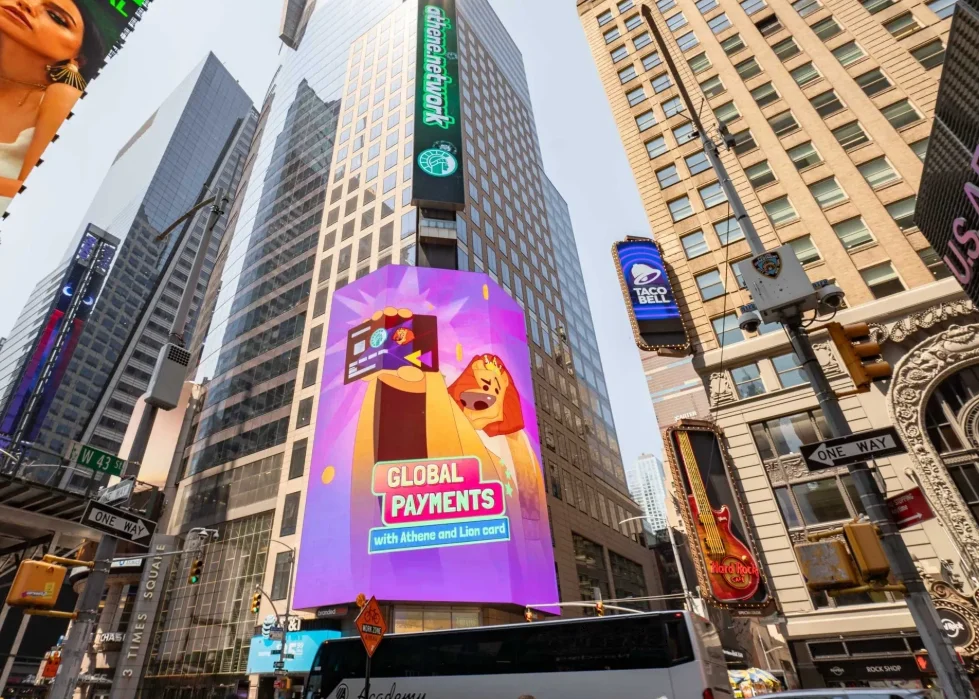
In today’s competitive market, capturing the attention of your target audience is paramount. One of the most impactful ways to achieve this is by advertising on a Times Square digital billboard. This iconic location offers unparalleled exposure, ensuring your brand stands out amidst the hustle and bustle of New York City.

The Power of Times Square Advertising

Times Square is more than just a landmark; it symbolizes innovation, energy, and global connectivity. With over 330,000 visitors daily, predominantly tourists, advertising here guarantees your message reaches a diverse and extensive audience.

A presence in this high-traffic area establishes credibility and positions your brand in front of millions of potential customers.

> High Visibility

Times Square boasts an enormous volume of foot traffic, making it one of the most sought-after advertising locations worldwide.

Digital billboards here ensure that your brand gets seen by millions annually, increasing both recognition and recall. With the right design and messaging, your ad will capture attention instantly.

> Iconic Status, Prestige, Influence

Displaying your brand in Times Square creates a perception of success and influence. This location attracts top brands, global corporations, and influential figures. Securing an ad spot here places your business among industry leaders, reinforcing credibility and trust with your audience.

> Engaged and Receptive Audience

Times Square’s bright lights and dynamic atmosphere create an immersive experience that naturally captivates visitors. People in this area are primed to engage with high-quality, visually appealing content. The combination of movement, energy, and visual storytelling ensures your ad remains memorable long after they leave.

> The Evolution of Times Square Advertising

Times Square has long been a center of commercial and cultural transformation. Once dominated by static billboards and neon signs, this advertising hub has evolved into a digital powerhouse. Modern technology enables dynamic, interactive, and highly engaging advertisements that captivate audiences like never before.

Brands now leverage artificial intelligence, real-time updates, and social media integrations to create immersive ad experiences. This continuous evolution makes Times Square a must-have advertising location for businesses of all sizes.

Watch the transformation of Times Square over the decades in the below video.


Cost of a Billboard in Times Square

Understanding Billboard Pricing in Times Square

The cost of a billboard in Times Square varies based on several factors, including size, location, and display duration. Contrary to common belief, advertising in Times Square is not just for major corporations—it can be accessible to businesses of all sizes.

For instance, a small digital billboard (8 feet by 12 feet) in Times Square can cost even $7,000 per month. While this may seem like a substantial investment, it is relatively affordable compared to other advertising channels. A 30-second TV commercial during prime time on a major network can easily exceed $200,000, making digital billboard advertising in Times Square a really cost-effective alternative.

For those looking to make an even bigger impact, larger options are also available. A 20-foot by 40-foot digital billboard in a prime Times Square location can cost approximately $35,000 per month. This price offers significant exposure and engagement, ensuring a high return on investment when compared to other forms of advertising.

When considering the reach and visibility of a Times Square billboard, the pricing is highly competitive. Unlike traditional advertising that requires recurring media buys, a digital billboard provides continuous exposure, maximizing brand awareness. Whether you choose a smaller display for niche targeting or a larger billboard for massive reach, Times Square advertising remains an effective and accessible marketing solution for all businesses seeking to boost their visibility.


Benefits of Digital Billboards in Times Square

Digital billboards have transformed traditional advertising, offering flexibility and engagement that static billboards cannot match.

Traditional billboard advertising in Times Square comes with a hefty price tag. Renting a static billboard can cost over $100,000 per month, excluding agency fees and production costs. This high cost limits accessibility for many businesses. Fortunately, digital billboards provide a more affordable and flexible alternative, making Times Square advertising a viable option for brands of all sizes.

Investing in digital billboard advertising in Times Square provides several unique advantages for businesses looking to maximize their organic impact.

+ Dynamic and Animated Content

Unlike traditional static billboards, digital billboards allow for video, motion graphics, and animated content. Movement grabs attention more effectively than static images.

Creative and visually engaging ads help boost retention and increase the likelihood of customer action.

+ Cost-Effective Advertising Solutions

Although Times Square is known for premium advertising rates, digital billboards offer flexible pricing.

Some platforms provide small and limited advertising options starting at $500 per month, making it accessible for businesses of various sizes. This flexibility allows brands to optimize their budgets while still benefiting from high-visibility advertising.

+ Targeted Advertising and Strategic Ad Scheduling

Digital billboards offer targeted ad placement, allowing businesses to schedule their ads during peak hours.

Running your advertisement at the right time maximizes visibility and ensures engagement from the most relevant audience. Whether you target rush-hour foot traffic or evening crowds, digital billboards let you optimize exposure.

+ Measurable Performance and ROI

Unlike traditional billboards, digital screens allow for performance tracking. Most billboard landowners offer data-driven insights, engagement metrics which can be used for analytics. These tools help businesses refine their campaigns for better results. By analyzing real-time data, companies can adjust their content and messaging for future maximum impact.


The Top 3 Most Desired Digital Billboards in Times Square

1. Times Square One (TSQ1)

Times Square One (TSQ1) is one of the most prominent and highly sought-after digital billboards in the heart of Times Square. Positioned at the intersection of 42nd Street and Broadway, TSQ1 offers a massive LED display with unparalleled visibility. With its strategic location and high-impact screen, this billboard ensures brands achieve maximum exposure in one of the busiest pedestrian areas in the world.

1) Times Square One (TSQ1) GNF

2. The Beast

Nicknamed “The Beast”, this towering digital billboard is an eye-catching giant in Times Square. Located above the McDonald’s restaurant in Times Square, The Beast is a high-definition display screen that covers an enormous surface area. Advertisers who secure a spot here benefit from its dominant size, 24/7 audience reach, and superior digital clarity. This location guarantees a bold, unforgettable presence in the city’s most vibrant advertising district.

2. The Beast NYC - GNF

3. Midtown Financial (MiFi)

Midtown Financial (MiFi) is a premium digital billboard ideal for brands looking to target professionals, tourists, and major financial influencers in Times Square. Positioned near major business hubs, MiFi provides a sleek, modern display that appeals to a high-end audience. This billboard is perfect for corporate campaigns, fintech companies, and innovative brands that want to stand out in the financial sector while maintaining a strong presence in Times Square.

3. Midtown Financial (MiFi) - GNF


How to Advertise on a Times Square Digital Billboard

Launching an advertising campaign in Times Square has never been more accessible. Follow these steps to ensure your ad stands out and reaches the right audience.

1. Define Your Objectives

Start by setting clear goals for your advertising campaign. Determine whether you want to increase brand awareness, promote a product launch, or drive traffic to an event.

Having well-defined objectives helps guide your creative strategy and ensures your ad aligns with business goals. The more specific your aim, the more effective your campaign will be.

2. Choose the Right Advertising Platform

Research different platforms that offer billboard space in Times Square. Trustworthy companies like Blindspot and other advertising providers offer a range of packages to fit various budgets.

Compare pricing, ad slot availability, and exposure levels before selecting the best option for your campaign. Prioritize a provider that aligns with your objectives and offers flexibility.

3. Create High-Impact Content

Develop visually stunning and engaging content that conveys your message clearly. Digital billboards allow for animated graphics, motion videos, and dynamic transitions.

Use bold visuals, strong branding, and a clear call-to-action to capture attention. Keep the messaging concise, ensuring the audience understands your brand in a few seconds.

4. Schedule Your Advertisement Strategically

Plan your ad placement for peak traffic hours to maximize visibility. Identify the best time slots when your target audience is most likely to be present in Times Square.

Whether it’s during rush hour, weekends, or evening events, scheduling your ad correctly ensures that it gets noticed by the right people at the right time.

5. Track Performance and Maximize Engagement

Once your ad is live, monitor its performance and gather proof of delivery. Share high-quality images and videos of your ad across social media to create additional buzz.

Use analytics provided by the advertising platform to assess engagement and optimize future campaigns. Leverage your ad exposure for extended brand awareness by repurposing visuals in marketing materials.


Success Stories

Many brands have leveraged Times Square’s digital billboards to amplify their reach and increase brand visibility. One notable success story is Coca-Cola, which has maintained a presence in Times Square for decades. Through high-impact digital advertising, Coca-Cola experienced a 30% increase in brand recall and strengthened its connection with millions of visitors.

In another case, Spotify used Times Square’s digital billboards to launch personalized marketing campaigns featuring real user data. By highlighting top-streamed songs and artists for different regions, they created a viral campaign that significantly boosted engagement and subscriptions. This campaign demonstrated how interactive, data-driven ads can captivate audiences and encourage organic social sharing.

Even small businesses and startups have seen success in Times Square. A new fashion brand recently launched a short-term digital billboard ad to generate buzz before its online store opened. By strategically placing the ad in high-traffic time slots, they saw a significant increase in website traffic and pre-orders. This highlights the potential for companies of all sizes to benefit from the prestige and exposure that Times Square offers.

Embracing New and Emerging Markets

Times Square advertising is not limited to traditional brands. Even new and unconventional businesses, such as crypto meme coins and Web3 startups, have successfully utilized digital billboards to gain credibility and visibility.

The flexibility of digital advertising allows emerging industries to capture mainstream attention and attract investors. By showcasing bold visuals and engaging storytelling, these businesses have proven that Times Square can be a launchpad for innovative and disruptive marketing campaigns.


Get Your Brand on a Times Square Digital Billboard

Investing in Times Square digital billboard advertising is a game-changer for brands looking to elevate their marketing. Whether you aim to increase awareness, launch a new product, or enhance credibility, this location provides unmatched opportunities for success.

Get Noticed Fast offers seamless access to Times Square digital billboards, ensuring brands maximize exposure and impact. Explore our transparent pricing, expert insights, and high-performing advertising packages.

Visit GetNoticedFast today and take your brand to the next level.

Discover the Best Digital Billboard Near Me: Guide to Smart Advertising Choices

Finding the best digital billboard near me involves understanding its benefits and how it enhances advertising. GetNoticedFast.com helps you navigate digital billboard advertising, ensuring maximum visibility and cost-effectiveness for your local audience. Consequently, you make informed decisions and maximize your advertising choices.

Understanding Digital Billboards and Their Benefits

What is a Digital Billboard?

Digital billboards are large electronic displays showcasing ads in vibrant formats. Unlike traditional billboards, they rotate multiple ads, making them more engaging. This technology offers eye-catching visuals and animations that capture passersby’s attention. Moreover, digital billboards combine outdoor advertising with digital content flexibility.

The importance of digital technology in advertising cannot be overstated. With the rise of digital media, advertisers have the opportunity to reach their audience in innovative ways. Digital billboards are at the forefront of this shift, providing a platform that combines the best of outdoor advertising with the flexibility of digital content.

Advantages of Using Digital Billboards

There are several compelling reasons to consider digital billboards for your advertising campaigns:

  • High visibility and attention-grabbing features: Bright displays stand out in busy environments, ensuring your message is seen by a large audience;
  • Flexibility: Quick updates allow you to adjust messaging based on events or promotions. Unlike traditional billboards, which require time-consuming changes, digital billboards allow quick updates. You can adjust your message based on current events, promotions, or seasonal changes;
  • Target reach effectively: Strategically placed in high-traffic areas, they effectively target local audiences.  This especially benefits any businesses looking to connect with the local community or seasonal viewers;

How to Find the Best Digital Billboard Near You

Researching Options

Finding the right digital billboard starts with research. Utilize online resources with transparent data like GetNoticedFast.com to compare features and pricing. Consider location and traffic patterns, as high-traffic areas increase visibility. Additionally, evaluate providers’ reputations through reviews. You can even leverage AI to better understand the unique number of impressions your creatives can reach.

Key Factors to Consider

When choosing a digital billboard, keep these key factors in mind:

  • Size and placement: Larger billboards always attract more attention, but placement is crucial. Ensure your billboard is positioned where it will be easily seen by your target audience;
  • Audience demographics:  Align your advertising with the audience’s interests. Make sure you research the content of your creative before submitting it for play;
  • Pricing: Digital billboard pricing can vary widely. Be sure to compare costs to find the best option for your budget and advertising needs;

Maximizing Your Advertising Strategy with Digital Billboards

Crafting Effective Billboard Content

Creating compelling content is essential. Use bold colors, high-quality images, and concise messaging. Incorporate calls to action to encourage engagement. For a successful digital billboard campaign, here are some tips:

  • Designing eye-catching visuals: Avoid white backgrounds. Use bold colors, high-quality images, and engaging animations to draw attention to your ad;
  • Concise messaging: Keep your message short and to the point. Viewers typically have only a few seconds to absorb your content, so clarity is key. An unwritten rule suggests to not use more than 8 word messages;
  • Incorporate calls to action for better engagement: Be clear. Encourage viewers to take action. Invite them to visit your website. Suggest calling your business. Make it easy for them to follow you on social media;

Measuring Success and ROI

Incorporating AI and advanced analytics tools can significantly enhance your campaign measurement for specific “digital billboard near me” campaigns. AI helps analyze complex data patterns, identify which ads resonate with your audience and optimizing ad delivery for better engagement. Additionally, AI can detect ad fraud and discrepancies in target audiences. This would ensure your ads reach the right people. By integrating AI-driven insights, you can make more informed decisions and optimize your advertising strategy for improved ROI. However, do keep in mind that while AI can help with important and crucial information/insights; we still recommend leveraging a human expert when establishing the creatives.

GetNoticedFast.com

Why Choose GetNoticedFast.com?

GetNoticedFast.com is your go-to resource for navigating the world of digital billboard advertising. Here’s why you should consider us:

  • Overview of services offered: We provide a comprehensive suite of services. You can see detailed packages, with clear specifics and transparent pricing;
  • Testimonials and success stories: Satisfaction and trust are essential for us. That’s why we ask our clients to share their success stories and satisfaction levels. This helps other understand how easy it is to collaborate with us;
  • Help you chose the best billboard: We believe in empowering our clients. That’s why we always give our suggestions, based on the specifics of our customers. Either if the main criteria is cost, location, play-time or outreach;

Getting Started with Your Digital Billboard Campaign

Ready to book a “digital billboard near me”?

By following this guide, you’ll gain a comprehensive understanding of digital billboards and how to effectively use this advertising medium to achieve your goals.

Say goodbye to guesswork and hello to informed decisions with GetNoticedFast.com!

Press Release Meaning: A Comprehensive Guide to Boosting Your Visibility

In today’s fast-paced digital world, understanding the press release meaning is crucial for businesses and individuals aiming to enhance their visibility and credibility. A press release is a powerful tool used to announce news, share updates, or promote events to the media and the public. When crafted effectively, it can generate significant media coverage, improve brand awareness, and drive organic traffic to your website. At Get Noticed Fast, we specialize in creating high-impact press releases that deliver real results.

This guide will walk you through everything you need to know about press releases, their purpose, and how they can benefit your business. Whether you’re a startup, an established company, or an individual expert, this article will provide actionable insights to help you leverage press releases for maximum impact.


What Is a Press Release?

A press release is an official statement issued to the media to announce something newsworthy. First, it serves as a bridge between organizations and journalists, helping businesses share their stories with a broader audience. Obviously, the press release meaning goes beyond just sharing news; it’s about crafting a compelling narrative that captures attention and encourages media outlets to cover your story.

Press releases are typically used for:

  • Launching new products or services
  • Announcing company milestones or achievements
  • Sharing industry insights or research findings
  • Promoting events or partnerships
  • Addressing public relations crises

FInally, by understanding the press release meaning, you can effectively communicate your message and achieve your marketing goals.


Why Are Press Releases Important?

Press releases play a vital role in building brand credibility and visibility. Here’s why they matter:

Boost Media Coverage

First of all, a well-written press release can attract the attention of journalists, bloggers, and influencers. This increases the likelihood of your story being featured in reputable publications, both online and offline.

Enhance SEO and Organic Traffic

Secondly, press releases distributed through reputable platforms can improve your search engine rankings. By including relevant keywords and backlinks, you can drive more organic traffic to your website.

Establish Authority

Sharing newsworthy updates positions your brand as an industry leader. It builds trust with your audience and sets you apart from competitors.

Reach a Wider Audience

Press releases allow you to share your message with a global audience. Whether you’re targeting local media or international outlets, the right press release can amplify your reach.

At Get Noticed Fast, we understand the importance of press releases and offer tailored services to help you achieve your goals.


How to Write a Press Release That Stands Out

Evidently, writing a press release requires a strategic approach. Here are the key steps to create a compelling press release:

Craft a Strong Headline

Your headline is the first thing readers will see. Make it concise, engaging, and relevant to your target audience. For example, “XYZ Company Launches Innovative Solution to Revolutionize the Tech Industry.”

Write a Clear and Informative Lead Paragraph

The opening paragraph should answer the “who, what, when, where, and why” of your story. Keep it concise and impactful to grab the reader’s attention.

Provide Supporting Details

Use the body of the press release to elaborate on the key points. Include quotes from key stakeholders, statistics, or other relevant information to add credibility.

Include a Call-to-Action (CTA)

Encourage readers to take the next step, whether it’s visiting your website, attending an event, or contacting your team for more information.

Add Multimedia Elements

Finally, incorporate images, videos, or infographics to make your press release more engaging. Visual content can significantly increase the chances of your story being picked up by the media.


The Benefits of Professional Press Release Services

While writing a press release may seem straightforward, creating one that delivers results requires expertise. Here’s why partnering with Get Noticed Fast can make all the difference:

Expert Writing and Editing

Our team of professional writers crafts press releases that are clear, concise, and compelling. We ensure your message resonates with your target audience.

Strategic Distribution

We distribute your press release to a network of reputable media outlets, increasing the likelihood of coverage.

Transparent Pricing

As always, our services come with clear, upfront pricing, so you know exactly what to expect.

Measurable Results

We provide detailed analytics to track the performance of your press release, helping you measure its impact.


Conclusion

In the end, understanding the press release meaning and its potential can transform your marketing strategy. Whether you’re looking to boost media coverage, enhance your SEO, or establish authority, press releases are a powerful tool to achieve your goals.

At Get Noticed Fast, we’re committed to helping you create press releases that deliver real results. Visit our website to explore our services, pricing, and success stories. Let us help you get noticed fast!

Press Release Writing Guide: Your Path to Maximum Visibility

In today’s fast-paced digital world, crafting a compelling press release is critical for businesses and individuals seeking to enhance their visibility and credibility. A well-written press release informs, engages, and persuades the target audience. This press release writing guide will walk you through the essential steps to create impactful press releases that deliver results.

Why You Need a Press Release Writing Guide

Press releases are powerful tools for building brand awareness, gaining media attention, and driving organic visibility. They serve as official announcements, sharing newsworthy updates with journalists, bloggers, influencers, and the public. Whether launching a product, announcing an event, or sharing a milestone, a press release can amplify your message. That’s precisely why you need to know the best tips and tricks to write a proper Press Release article. 

Benefits of Press Releases:

  • Increased Visibility: Reach a broader audience across multiple channels; 
  • SEO Advantages: Tweak your SEO and improve search engine rankings with keyword-rich content; 
  • Credibility Boost: Establish authority by appearing in reputable media outlets; 
  • Cost-Effective Marketing: Achieve significant outreach without breaking the bank; 

General Structure to Input Your Content Effectively

A clear structure ensures your message is easy to read and understand. Use the inverted pyramid format, starting with the most important information and gradually adding details.

Key Sections:

  1. Headline: Grab attention immediately; 
  2. Sub-headline: Provide additional context or highlight key points; 
  3. Body Paragraphs: Elaborate on the details using short sentences and paragraphs; 
  4. Boilerplate: Include a brief description of your company or organization; 
  5. Contact Information: Make it easy for journalists to reach out; 


Step-by-Step Press Release Writing Guide

1. Start with a Strong Headline

Your headline is the first thing readers notice. Make it concise, engaging, and informative. To optimize for search engines, include your focus keyword—press release writing guide.

Recommendations:

  • ❌Avoid first or second person (avoid: I, we, you, your) 
  • ❌Avoid promotional or spammy formulations like “Act Now”, “Only Today”, “Don’t Miss Out” or “Best Ever”  
  • ✅Include the issuing company’s name in the headline 
  • ✅Keep it clear, concise, and professional 
  • ✅Use a third-person perspective; write from a business POV
  • ✅Follow the formula: [Company Name] + [Newsworthy Verb] + [Content of the Announcement] 

Example: Get Noticed Fast Announces Press Release and Digital Billboard Packages


2. Write an Engaging Lead Paragraph

The first paragraph should answer the who, what, when, where, why, and how of your story. Use this opportunity to hook your audience while incorporating the focus key phrase.

Recommendations:

  • Dateline Location: Always begin with the dateline, including the city, country and date 
  • Answer the Essentials: Clearly address the who, what, when, where, why, and how in the lead paragraph
  • Identify the Source Upfront: Mention your company name early to establish credibility 
  • Ensure Objectivity: Stick to factual, unbiased information and avoid promotional language 
  • ✅Follow the formula: [City, Country] + (Date) – [Company Name] [Content of the Announcement] […]

Example: New York, USA (January 01, 2025) – Get Noticed Fast, a trustworthy leading provider of marketing services worldwide, announced today that it upgraded its focus exclusively on digital Press Release and Digital Billboard services for customers world wide. […]


3. The Body – Structure Your Content Effectively

Ensure that the announcement provides a straightforward, well-organized key information breakdown. Avoid fluff, filler, or irrelevant details that could distract from the main message. Every sentence should serve a purpose, delivering value to the reader while maintaining clarity and focus. Stick to the essentials, ensuring the content is concise yet comprehensive enough to inform and engage your audience effectively.

Recommendations:

  • Provide Supporting Details: Expand on the announcement with relevant facts, statistics, or background information to add depth and credibility.
  • Maintain Third-Person Perspective: Use third-person language consistently throughout the press release. Avoid first- and second-person pronouns such as “I,” “we,” “you,” or “your.”
  • Incorporate Quotes: Include 1–2 impactful quotes from key figures, such as the CEO or project lead, to add authority and a human touch.
  • Prioritize Readability: Use short paragraphs or bullet points to make the content easy to read and digest.
  • Focus on Newsworthiness: Highlight your company’s milestones, achievements, or announcements without veering into overt self-promotion or focusing too heavily on individuals.
  • Avoid Keyword Stuffing: Use keywords naturally without overloading the text, ensuring it reads smoothly and remains professional.
  • Limit Third-Party References: Avoid mentioning unrelated third-party individuals or organizations. If necessary, ensure you have written authorization before including them.
  • ❌ Avoid Self-Promotion: Exclude veering into overt self-promotion or focusing too heavily on individuals; 


4. Boilerplate | About Section

The boilerplate is a critical component of any press release and a standard publisher requirement. It serves as a concise summary that provides key background information about your company, including its mission, core services, achievements, or unique value proposition. Positioned at the end of the press release, the boilerplate ensures readers, including journalists and potential stakeholders, gain a clear understanding of who you are and what your organization represents. A well-crafted boilerplate not only reinforces your brand identity but also establishes credibility and professionalism in your communication.

Recommendations:

  • ✅Include a brief description of your company (who you are, what you do) 
  • ✅Limit to 2-4 sentences 
  • ✅Avoid using first and second-person language [I, we, us, our, ours, you, your, yours]. Continue to stick to 3rd person language 
  • ✅Avoid promotional language


5. Contact Information Section

Publishers mandate accurate and fully verified contact information to process and approve your press release submission. Providing clear and reliable contact details ensures credibility, facilitates communication, and increases the likelihood of your release being accepted. This is first of all a compliance requirement, without which the entire process can not continue.

Recommendations:

  • ✅Submit a real person’s full name (Name and Surname) and title (optional) 
  • ✅Provide a valid business email address (this has to be directly related to the project website link). The email cannot be GMail, Yahoo Mail, etc
  • ✅Confirm the City and Country of the project 
  • ✅Ensure the contact is authorized to speak on behalf of the company 

Publishers need every press release to meet specific criteria for quick approval and wide distribution. Missing and of these compliance details can lead to immediate rejection and delays in getting your news out. Ensuring fast and easily submission, you’re making it easy for publishers to trust your release and share your story without hesitation.


Best-Practices To Target

  • Public Information: You may reference publicly available information such as statistics, general facts, or industry trends that do not involve specific individuals or entities;
  • Authorized Mentions: Third-party references, including quotes or mentions, are allowed only with explicit, documented consent from the referenced party. Ensure you have verifiable proof of this authorization;
  • Relevant Collaborations: You can include third-party organizations or individuals directly involved in the announcement if their participation is essential to the press release and properly authorized;
  • Neutral Tone: Any mention of third parties should be neutral, factual, and free of promotional language. For example, citing a partner company’s contribution to a joint project is acceptable if supported by appropriate approvals;
  • Industry Standards: References to recognized industry benchmarks or widely accepted standards are permissible without the need to name specific companies;


Common Mistakes to Avoid

  • Overloading with Jargon: Keep your language simple and accessible; 
  • Lack of Newsworthiness: Ensure your story has value and relevance; 
  • Ignoring SEO Best Practices: Optimize keywords and metadata; 
  • Skipping Contact Information: Always include accurate contact details; 
  • Unauthorized Name-Dropping: Any mention of third-party individuals, companies, or organizations without explicit written approval is strictly prohibited;
  • Comparisons to Competitors: Avoid comparing your company, product, or service to competitors by name unless legal clearance is provided. Even then, maintain a neutral and non-derogatory tone;
  • Celebrity Mentions: Using a celebrity’s name, likeness, or endorsement requires formal consent from their legal representative or management team. Unauthorized references are not allowed, even if the mention appears factual;
  • Promotional or Piggybacking Language: Press releases must avoid “piggybacking” on the reputation of another entity to boost your announcement’s credibility or visibility. This includes indirect promotions or self-promotion at the expense of a third party;
  • Unverified Partnerships: Do not claim partnerships, endorsements, or collaborations unless explicitly confirmed by the other party, with documentation to support the claim;
  • Prohibited Content: Mentions involving defamatory, hateful, misleading, or unsubstantiated claims about third parties are strictly forbidden;

Conclusion

Mastering the art of press release writing can significantly enhance your marketing efforts by increasing visibility and credibility. By following this guide, you’ll be equipped to craft professional press releases that resonate with your audience and achieve measurable results.

For expert assistance in creating impactful press releases tailored to your needs, visit GetNoticedFast.

Our team offers transparent pricing and top-notch marketing packages designed to elevate your brand’s presence.