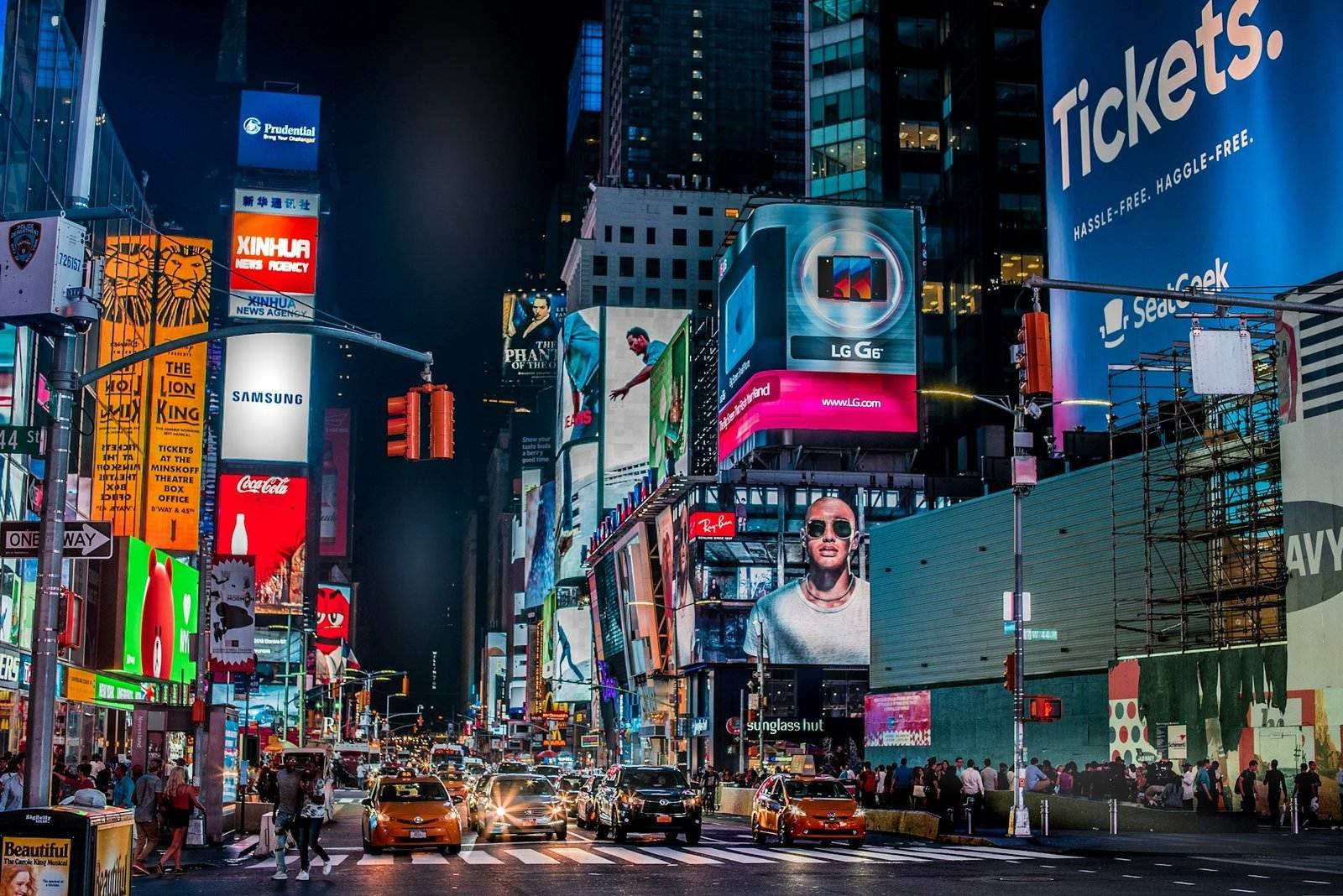
In today’s fast-paced marketing landscape, digital billboards represent the cutting-edge evolution of traditional outdoor advertising, blending the immutable power of physical presence with the dynamic capabilities of digital technology. No longer constrained by static images and manual changeouts, these high-definition electronic displays have revolutionized how brands connect with consumers on the move. The digital billboard market continues to expand rapidly, with recent industry data suggesting a 19.2% growth in digital out-of-home (DOOH) advertising spending, reaching $3.84 billion in 2023. This explosive growth signals a significant shift in how marketing directors and brand managers are allocating their advertising resources.
The appeal is understandable. Digital billboards offer unprecedented flexibility, allowing advertisers to alter content instantly, schedule different messages throughout the day, and even respond to real-time events or data triggers. In a world where consumer attention is increasingly fragmented across countless digital channels, these towering digital canvases command attention in a way that cannot be swiped away, blocked, or skipped. They stand as unmissable anchors in our physical environment, cutting through the digital noise that has become white background radiation to most consumers.
For businesses seeking to make a lasting impression, digital billboards provide a unique combination of the traditional billboard’s undeniable presence with the creative possibilities of digital media. As marketing budgets face ever-increasing scrutiny, understanding how to effectively leverage these digital displays has become essential knowledge for forward-thinking marketing professionals. The ability to change content dynamically, target specific audiences at specific times, and integrate with mobile and social campaigns has transformed what was once considered an “old media” format into a sophisticated component of modern integrated marketing strategies.
The Revolutionary Impact of Digital Billboards on Modern Marketing
What Are Digital Billboards? Evolution and Current State
The journey from static paper billboards to today’s vibrant digital displays represents one of the most significant evolutions in outdoor advertising history. Traditional billboards, while effective in their own right, suffered from inherent limitations – static messaging, costly and time-consuming installation, and inability to adapt to changing conditions or audiences. Digital billboards shattered these constraints. The first commercial digital billboards emerged in the early 2000s, but recent technological advancements have accelerated their capabilities exponentially. Today’s displays feature ultra-high-definition screens that maintain perfect visibility in direct sunlight, intelligent brightness adjustment systems, and remote content management platforms that allow for instant updates from anywhere in the world.
Remember when changing a billboard meant hiring a crew, printing massive sheets, and physically installing them over days? Those logistical nightmares have been replaced by a few clicks in a content management system. The transformation reminds me of the first time I switched from film photography to digital – suddenly, what once required patience, specialized equipment, and considerable expense became instantaneous and infinitely adjustable. The once-rigid medium has become fluid, enabling advertisers to run multiple campaigns simultaneously on the same physical asset, rotate creative based on time of day, or even trigger specific content based on external data like weather conditions, traffic patterns, or breaking news. This fundamental shift has transformed billboards from static announcements to dynamic, responsive communication channels.
Why should today’s marketing leaders care about this evolution? Because in a world where consumers are bombarded with thousands of digital messages daily, these physical-digital hybrids cut through the clutter in ways purely online platforms simply cannot match.
Key Components of Modern Digital Billboard Technology
The technological infrastructure powering today’s digital billboard networks goes far beyond just screens. At the heart of these systems are specialized LED displays engineered specifically for outdoor viewing conditions, capable of producing vivid images visible from hundreds of feet away in varying light conditions. These aren’t your standard commercial displays – they’re industrial-grade panels designed to withstand extreme weather conditions, maintain consistent performance over years of continuous operation, and deliver exceptional image quality at relatively low resolution (compared to consumer displays) due to the typical viewing distance.
Behind the scenes, sophisticated content management systems (CMS) serve as the operational backbone, enabling schedulers to program complex content rotations, implement conditional logic for dynamic content selection, and integrate with other marketing technology stacks. Most modern systems feature robust API connectivity, allowing for integration with data feeds, triggering systems, and analytics platforms. The networking infrastructure connecting these displays enables real-time monitoring, content delivery, and performance metrics collection, providing operators with instant visibility into the operational status of their digital billboard network.
Types of Digital Billboard Displays and Their Applications
The digital billboard ecosystem encompasses a diverse range of display types, each optimized for specific viewing scenarios and advertising objectives. Standard roadside digital billboards represent the most visible segment, featuring large format displays strategically positioned along highways and major thoroughfares to capture commuter attention. Urban environments favor street-level digital displays, including bus shelter screens, street furniture installations, and storefront LED panels that engage pedestrians at eye level.
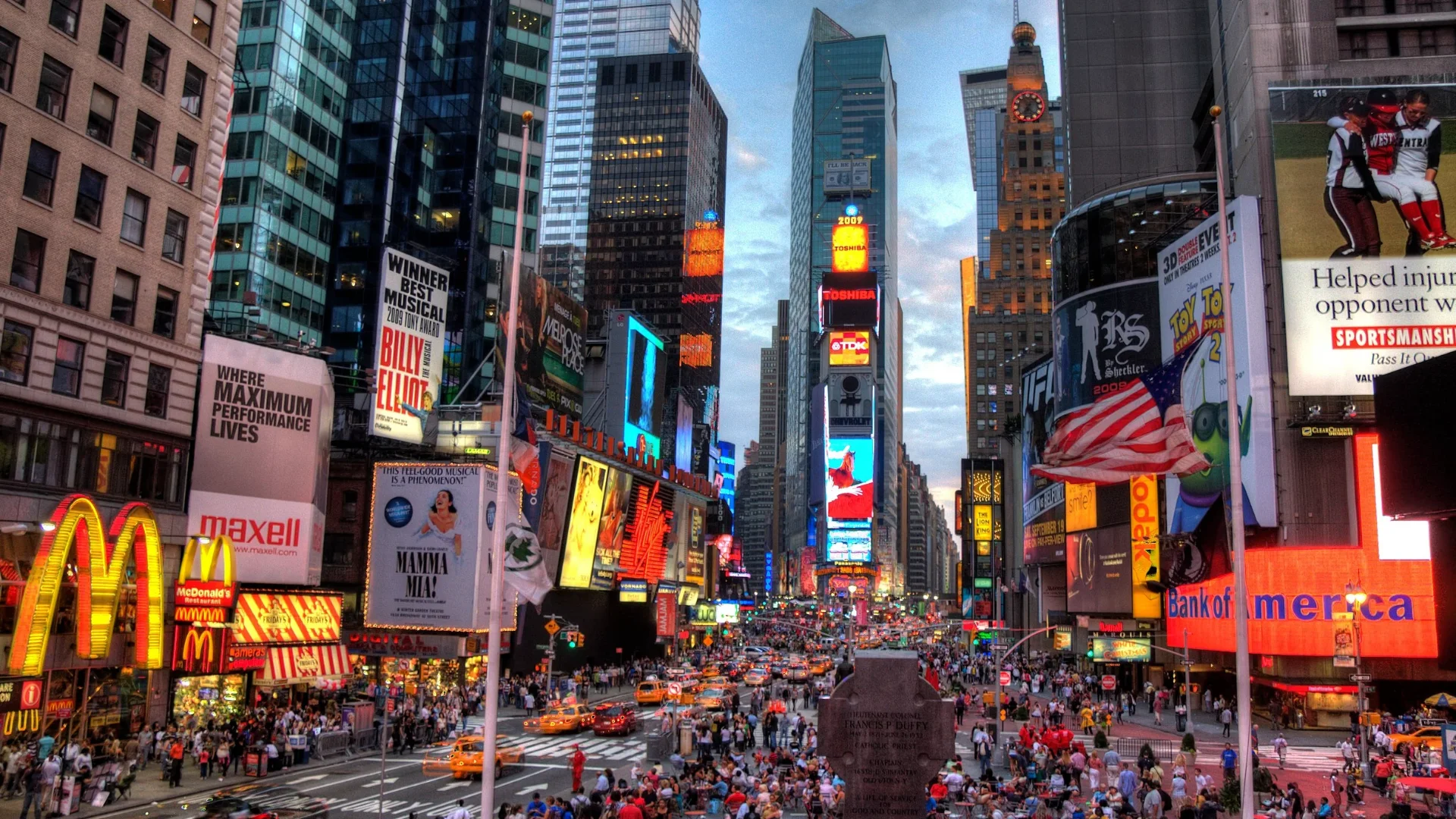
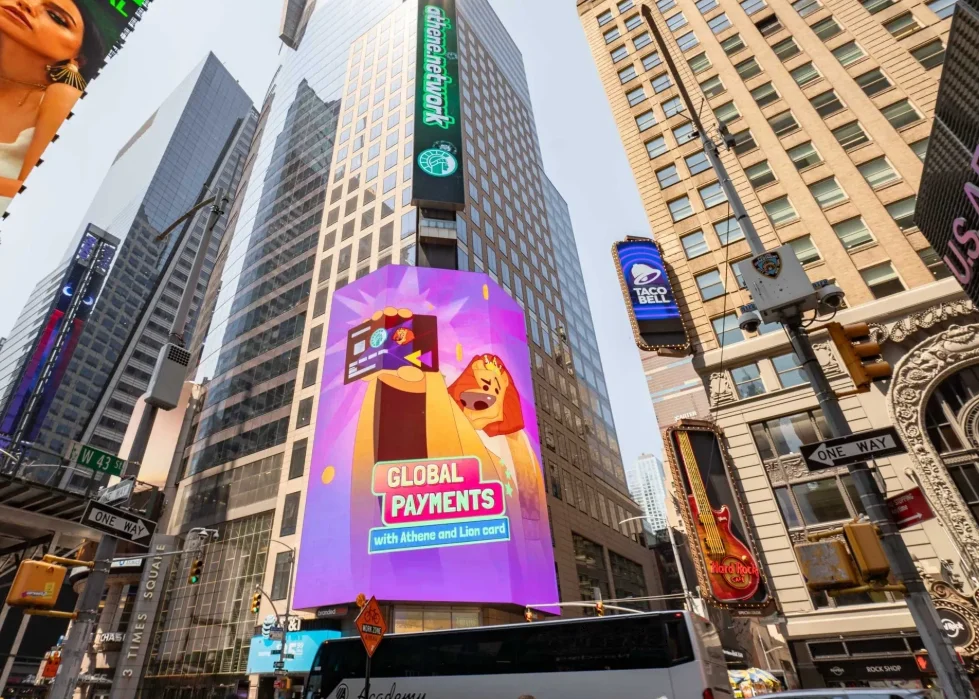
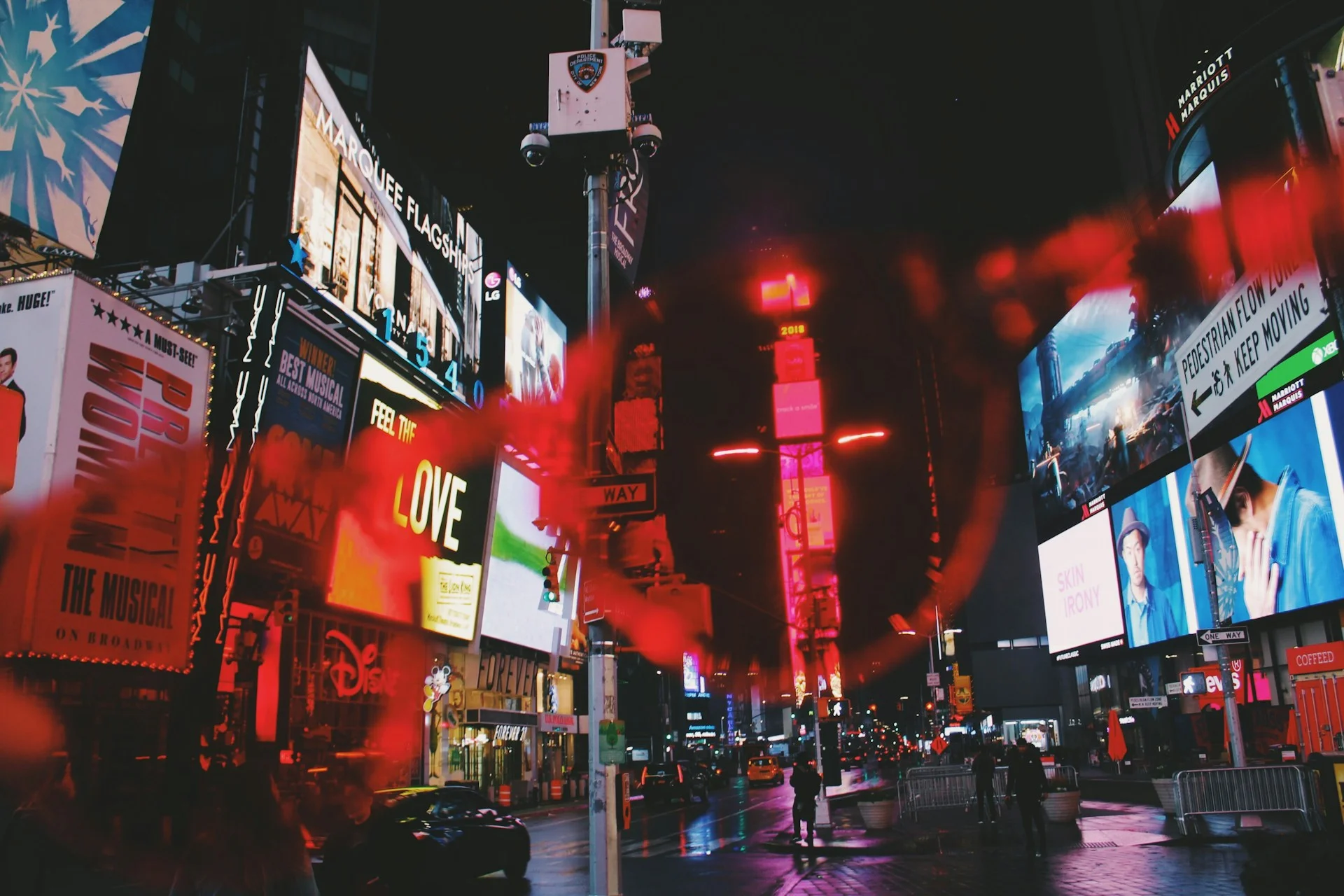
Transit-based digital displays have emerged as a rapidly growing segment, with digital panels adorning buses, taxis, ride-share vehicles, and subway stations. These mobile assets extend reach into areas where fixed installations may be impractical or prohibited. At the premium end of the spectrum, spectacular digital installations in high-profile locations like Times Square or Piccadilly Circus command extraordinary attention through massive scale, creative engineering, and architectural integration. Each format serves different advertising objectives – from the broad awareness play of highway billboards to the targeted, contextual relevance of transit and street-level displays.
The Expanding Digital Billboard Market in 2025
Current Market Size and Growth Projections
The digital billboard segment continues to experience robust growth within the broader outdoor advertising industry. According to recent market intelligence, the overall billboard and outdoor advertising market is projected to reach $71.19 billion by 2029, growing at a compound annual growth rate (CAGR) of 3.3% from its 2025 valuation of $62.52 billion. Digital billboards represent the fastest-growing segment within this market, with digital out-of-home (DOOH) advertising experiencing significantly higher growth rates than traditional formats.
This acceleration stems from multiple factors: advertisers’ increasing recognition of DOOH’s effectiveness, technological advancements reducing implementation costs, and growing consumer receptivity to contextually relevant outdoor messaging. The programmatic revolution has further fueled this expansion, with automated buying platforms making DOOH inventory more accessible to a broader range of advertisers. Small and mid-sized businesses previously priced out of premium billboard locations can now access these spaces through more flexible buying options and shorter minimum campaign durations.
What’s driving this persistent growth in an increasingly digital world? Simply put, digital billboards deliver what many online channels cannot – unavoidable visibility in the physical world where consumers still spend most of their lives.
Industry Trends Driving Digital Billboard Adoption
Several concurrent trends are accelerating the transition from static to digital billboard inventory. Advertisers’ growing demand for measurement and attribution has pushed outdoor media companies to enhance their analytics capabilities, with digital formats offering far superior tracking mechanisms compared to traditional billboards. The rise of programmatic media buying has transformed how outdoor advertising is purchased, with approximately 82% of viewers demonstrating strong recall for DOOH content they’ve seen – a metric that has caught the attention of performance-focused marketers previously skeptical of outdoor media’s measurability.
Environmental considerations have also played a role in this shift. Digital displays eliminate the material waste associated with traditional vinyl billboard production and installation, appealing to brands with sustainability commitments. Additionally, regulatory environments in many markets have become more amenable to digital formats as concerns about light pollution and driver distraction have been addressed through technological solutions and industry best practices. The consolidation occurring among major outdoor advertising companies has accelerated digital transformation, as larger entities possess the capital resources necessary for significant infrastructure investments.
Regional Differences in Digital Billboard Implementation
The global digital billboard landscape reveals fascinating regional variations in adoption rates, regulatory frameworks, and consumer receptivity. North American markets have embraced digital billboards enthusiastically, with relatively permissive regulatory environments in many states enabling rapid deployment along major highways and in urban centers. European markets present a more varied picture – Nordic countries and the UK have demonstrated progressive approaches to digital out-of-home implementation, while southern European nations maintain stricter regulations regarding digital signage in historical districts and scenic areas.
Asian markets, particularly China and Japan, have pioneered some of the most innovative applications of digital billboard technology, integrating these displays into architectural elements and creating immersive urban experiences. Emerging markets in Latin America and Africa are beginning to see accelerated digital billboard adoption, though infrastructure challenges and power reliability concerns have necessitated creative engineering solutions. These regional differences underscore the importance of local market understanding when developing global digital billboard strategies, as effectiveness factors vary significantly across cultural and regulatory environments.
Strategic Advantages of Digital Billboards for Brands
Engagement and Attention Metrics Compared to Traditional Media
In an era of diminishing attention spans and increasing media fragmentation, digital billboards command attention in ways that many digital channels struggle to match. Recent attention economy research indicates that paid YouTube mobile advertising is 84% more likely to receive viewers’ attention than traditional TV advertising – yet digital billboards outperform both in terms of unavoidable impression delivery. Unlike easily dismissed online ads, billboards exist in physical space, intercepting audiences during moments when they’re naturally scanning their environment. Also, above all other, the marketing for digital billboards is white-labeled, so it all comes down to your project and the viewer.
The metrics tell a compelling story: digital billboard content receives significantly higher recall rates than static displays, with movement and dynamic elements creating a powerful pattern-interruption effect that captures peripheral vision. The operational flexibility of digital displays enables advertisers to optimize creative execution based on performance data, continuously refining messaging to maximize impact. Additionally, the contextual relevance possible with properly programmed digital content enhances engagement by delivering messages aligned with audience mindsets at specific times and locations.
Have you ever wondered why you can recall certain billboard messages weeks later, while forgetting online ads mere seconds after viewing them? The answer lies in the unique psychological impact of large-format messages encountered in physical space, combined with the pattern-disrupting power of dynamic content.
Targeting Capabilities and Audience Segmentation
While digital billboards lack the granular individual targeting of some digital channels, sophisticated audience segmentation strategies have emerged to enhance precision. Advanced analytics platforms now leverage mobile data, traffic patterns, and demographic information to build detailed profiles of areas surrounding billboard locations. This intelligence allows advertisers to select optimal sites based on audience composition rather than simple traffic counts, significantly improving targeting efficiency.
Temporal targeting represents another powerful capability unique to digital formats. Advertisers can program different content for morning commuters, lunchtime foot traffic, evening travelers, and weekend audiences – all on the same physical display. This dayparting approach allows brands to speak to different audience segments with tailored messaging, optimizing relevance throughout the day. For businesses with multiple audience targets, this capability transforms a single location into multiple specialized media placements, effectively multiplying the value of premium positioning.
ROI Considerations and Performance Measurement
The return on investment calculation for digital billboard campaigns has evolved dramatically with improved measurement methodologies. Traditional billboard ROI assessments relied heavily on estimated impressions based on traffic counts – a relatively crude approximation. Today’s digital billboard networks incorporate multiple measurement vectors, including mobile device presence detection, computer vision systems that analyze attention patterns, and cross-channel attribution models that connect outdoor exposure to subsequent consumer actions.
For marketers accustomed to the precise metrics of digital advertising, these advances have made outdoor media more compatible with data-driven decision frameworks. The cost structure of digital billboard advertising typically involves higher initial placement fees compared to static billboards, balanced by reduced production costs, elimination of installation expenses, and superior share-of-voice efficiency through rotation with limited competing advertisers. When evaluated through a comprehensive ROI lens that accounts for attention quality, contextual relevance, and cross-channel amplification effects, digital billboards frequently outperform expectations – particularly for brands seeking to build memorability in competitive markets.
Creative Innovations in Digital Billboard Advertising
Interactive and Responsive Billboard Campaigns
The evolution from passive displays to interactive experiences represents one of the most exciting frontiers in digital billboard innovation. Forward-thinking brands have implemented billboards that respond to environmental stimuli, user inputs, or data triggers, creating memorable moments that transcend traditional advertising. Touch-responsive displays transform billboards into entertainment destinations or information resources, encouraging direct engagement rather than passive viewing. These interactive experiences often attract crowds as curiosity drives participation, extending reach through social sharing of these novel encounters.
Weather-responsive campaigns automatically adjust creative based on current conditions, delivering contextually perfect messaging whether it’s raining, snowing, or sweltering. Traffic-responsive systems analyze congestion patterns to deliver appropriate messaging based on vehicle speed – showing more detailed content during heavy traffic and simplified messaging during free-flow conditions. These responsive capabilities transform billboards from static messages to intelligent communication systems that adapt to their environment, dramatically increasing relevance and impact.
I recently witnessed a pharmaceutical brand’s interactive billboard that displayed different allergy medication messaging based on current pollen counts, pulling real-time data from weather services. The contextual relevance was striking – and judging by the social media buzz it generated, I wasn’t the only one who noticed.
Social Media Integration Strategies
The convergence of digital billboards and social media has created powerful amplification opportunities for advertisers seeking to extend campaign reach beyond physical locations. Innovative campaigns now incorporate user-generated content from social platforms directly onto billboard displays, creating a compelling feedback loop that encourages further participation. Hashtag campaigns invite viewers to share content for potential feature on prominent digital displays, effectively turning audiences into content creators while generating authentic brand engagement across multiple channels.
Some billboards offer incentives for social sharing, providing discount codes, free samples, or exclusive access in exchange for posting photos with campaign hashtags. This approach transforms the billboard from a one-way communication vehicle into a conversation starter, leveraging the social networks of engaged viewers to extend organic reach. The psychology behind this strategy is compelling – the prospect of seeing one’s content featured on a prominent public display creates a powerful motivation for participation, far exceeding typical social media engagement rates.
Leveraging Weather, Time, and Location Data
Contextual relevance represents the holy grail of effective advertising, and digital billboards excel at delivering situationally appropriate messaging by leveraging environmental data streams. Weather triggers enable automatic content selection based on current conditions – showing cold-weather products during temperature drops or promoting ice cream during heat waves. This real-time relevance significantly enhances message receptivity by aligning perfectly with consumer needs and mindsets at the moment of exposure.
Location-based contextual strategies consider proximity to specific destinations, adjusting messaging to reflect nearby opportunities. A restaurant might display different specials to morning commuters versus evening theater crowds, or highlight walking-distance proximity during peak traffic periods. Time-based programming accounts for audience mindset shifts throughout the day, adjusting messaging tone and content to match typical activity patterns – promotional in shopping hours, navigational during commute times, and entertainment-focused during leisure periods. When properly executed, these contextual strategies transform billboard space from general awareness media to precision-targeted communication opportunities.
Implementing Digital Billboard Campaigns: Best Practices
Design Considerations for Maximum Impact
Effective digital billboard design requires a fundamentally different approach than other visual media formats. The viewing conditions – typically from moving vehicles or at a distance – demand exceptional clarity and instant comprehensibility. The industry’s “3-second rule” serves as a useful guiding principle: your core message must be absorbable within three seconds of exposure. This constraint necessitates ruthless prioritization of communication elements, with successful executions typically featuring fewer than seven words, high-contrast color schemes, and single dominant visual elements.
The dynamic capabilities of digital displays introduce both opportunities and challenges for designers. Motion attracts attention powerfully, but excessive animation can reduce comprehension. Best practices suggest using motion selectively to draw eyes to key message elements rather than creating continuously animated sequences that impede message processing. Resolution limitations must also be considered – while modern LED displays offer impressive image quality, they typically have lower pixel density than other digital media, requiring simplified layouts and adequate text sizing. The environmental context surrounding the display influences visibility as well, with factors like ambient light levels, viewing angles, and adjacent visual elements affecting optimal design choices.
Scheduling and Programming Strategies
Strategic programming transforms a single billboard location into multiple targeted media placements through thoughtful scheduling. Sophisticated dayparting strategies align content with audience composition at different times – showing business services during commute hours, retail promotions during shopping periods, and entertainment options in evening hours. This approach optimizes relevance by matching message to audience mindset throughout the day, effectively multiplying the value of premium locations.
Share-of-voice considerations impact campaign effectiveness significantly. Unlike static billboards showing a single advertiser continuously, digital displays typically rotate between multiple advertisers. The optimal balance between frequency (how often your ad appears) and reach (total audience exposed) depends on campaign objectives. Awareness campaigns benefit from wider reach with moderate frequency, while promotional or directional campaigns require higher frequency in specific timeframes. Leading operators now offer programmable impression delivery systems that ensure balanced distribution across desired time periods while maintaining minimum effective frequency thresholds.
Integration with Broader Marketing Campaigns
Digital billboards deliver maximum value when strategically integrated with broader marketing initiatives rather than deployed as standalone tactics. Cross-channel amplification strategies leverage outdoor visibility to drive engagement with other media touchpoints – displaying hashtags for social campaigns, promoting app downloads, or featuring memorable URLs for campaign microsites. This integration creates a multiplier effect, with the high-visibility billboard driving traffic to higher-conversion channels.
Campaign timing coordination ensures consistent message exposure across channels, with billboards often serving as the high-impact launch vehicle that establishes awareness before more targeted channels deliver detailed information. Geographic targeting alignment strategies concentrate billboard placements in priority markets receiving additional marketing support, creating compounding message frequency that accelerates awareness building. When properly orchestrated, these integrated approaches transform billboards from awareness-only media to powerful drivers of consumer action across the marketing funnel.
The Future of Digital Billboard Advertising
Emerging Technologies Enhancing Billboard Capabilities
The technological evolution of digital billboards continues at a remarkable pace, with several emerging innovations poised to redefine outdoor advertising capabilities. Augmented reality integration represents one of the most promising frontiers, enabling viewers to unlock additional content layers by pointing their smartphones at displays. This capability extends engagement beyond the physical viewing moment, creating interactive experiences that continue on personal devices. Early implementations have demonstrated exceptional engagement rates, with interaction times far exceeding typical digital advertising benchmarks.
Advanced computer vision systems are enhancing measurement and targeting capabilities, using anonymous detection to analyze audience composition, attention patterns, and emotional responses in real-time. This technology enables dynamic content optimization based on actual audience characteristics rather than general location demographics, significantly improving targeting precision. Vehicle recognition systems can identify patterns in passing traffic, potentially enabling brand-specific targeting by adjusting content based on the makes and models of approaching vehicles – showing luxury product messaging when premium vehicles approach, for example.
Programmatic Digital Out-of-Home (pDOOH) Revolution
The programmatic revolution that transformed online advertising is now reshaping the digital billboard landscape through automated buying platforms that streamline inventory access. Programmatic DOOH enables advertisers to purchase billboard impressions through the same demand-side platforms used for other digital channels, facilitating integrated planning and more efficient budget allocation. This technology significantly lowers barriers to entry for smaller advertisers previously excluded from premium outdoor placements due to minimum commitment requirements.
Real-time bidding capabilities are beginning to emerge in select markets, allowing advertisers to adjust bids based on current conditions, audience characteristics, or business needs. While not yet offering the millisecond-level auction dynamics of online programmatic, these systems introduce unprecedented flexibility to outdoor advertising purchasing. Importantly, the contextual targeting capabilities of programmatic DOOH don’t rely on individual user data, providing an effective targeting solution in an increasingly privacy-conscious advertising ecosystem where personal data collection faces growing restrictions.
Sustainability and Ethical Considerations
As environmental consciousness continues to influence advertising decisions, digital billboard operators are implementing significant sustainability improvements. Energy efficiency advancements have reduced power consumption dramatically, with the latest LED technologies requiring a fraction of the electricity needed by previous generations. Solar augmentation systems are becoming increasingly common, particularly in sunbelt regions, reducing grid electricity requirements. Progressive operators have implemented intelligent brightness control systems that adjust output based on ambient light conditions, reducing both energy usage and light pollution concerns.
Regulatory landscapes continue to evolve as communities balance economic benefits with environmental and aesthetic considerations. Industry self-regulation has expanded to address light pollution, distraction potential, and community integration concerns. Content standards have similarly evolved, with most operators implementing sophisticated filtering systems to ensure displayed advertising aligns with community standards and viewing context – particularly important for displays near schools, religious institutions, or residential areas. Forward-thinking brands recognize that responsible implementation builds community goodwill and protects long-term viability of this powerful media channel.
Maximizing Impact with Get Noticed Fast
The digital billboard revolution represents both tremendous opportunity and significant complexity for modern marketers. When skillfully deployed, these dynamic displays deliver unmatched visibility, contextual relevance, and memorability in an increasingly fragmented media landscape. The continuous technological evolution of this medium – from advanced targeting capabilities to programmatic buying platforms – has transformed what was once considered traditional media into a sophisticated component of data-driven marketing strategies.
For marketing directors and brand managers seeking to harness the power of digital billboards without navigating the complexity alone, specialized partners offer invaluable expertise. Get Noticed Fast has established itself as a premier provider of white-labeled digital billboard solutions, combining technological sophistication with strategic marketing insight to deliver exceptional results for agencies and direct clients alike. Their comprehensive approach encompasses everything from location selection and audience analysis to creative optimization and performance measurement.
What truly distinguishes Get Noticed Fast is their seamless integration of digital billboard campaigns with complementary services like professionally written and distributed press releases, creating multi-dimensional visibility that amplifies impact across channels. This integrated approach ensures consistent messaging across earned and paid media, creating the frequency and cross-channel reinforcement essential for message retention in today’s crowded marketing environment.
Ready to explore how digital billboards can transform your brand’s visibility and impact? Connect with Get Noticed Fast at https://getnoticedfast.com to discover their white-label digital billboard and press release services. Their team of specialists will help you identify optimal locations, develop attention-commanding creative, and implement sophisticated scheduling strategies tailored to your specific marketing objectives. In a world where cutting through the noise has never been more challenging, the unmissable presence of digital billboards – expertly deployed – offers a powerful solution for brands determined to get noticed.